Seguro Lets the Rewritten Flags Law Through, Opening Public Buildings to Humanitarian Causes Tied to Official Campaigns
Four months after his veto, the President says parliament's changes answer his objections. Flags for Portugal's international commitments are allowed, and the GNR and PSP will police the rules.
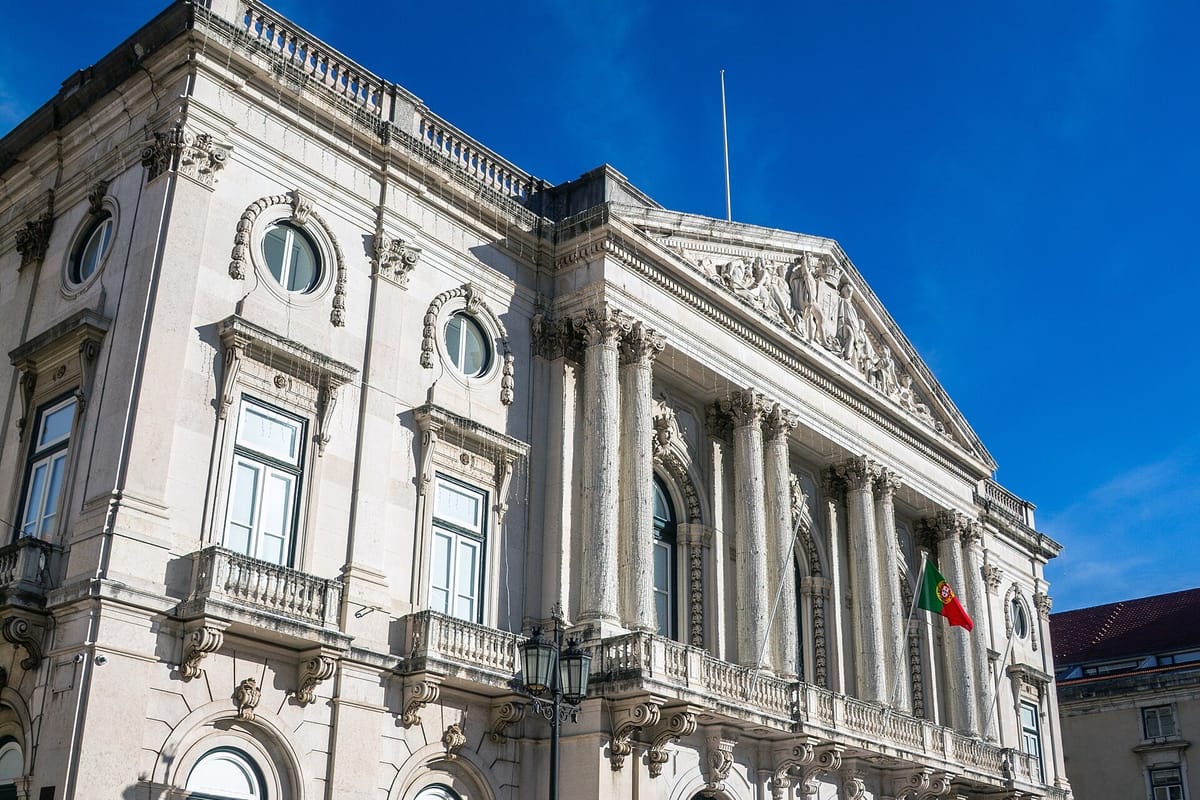
President António José Seguro has signed into law the rules on which flags may be flown on public buildings, four months after he sent the first version back to parliament unsigned. In an official note on Friday, he said the changes made by the Assembleia da República "respond significantly to the objections" he had raised.
The new text, he wrote, allows "the raising of flags that symbolise humanitarian causes, corresponding to the international commitments of the Portuguese State", and gives "greater legal certainty to citizens and institutions".
How the law changed
The first decree, which began as a CDS-PP initiative, banned flags of an "ideological, party or associative" nature from public buildings. Seguro vetoed it in June, the first veto of his presidency. He objected that it failed to separate party-political display from humanitarian causes that Portugal has already signed up to in its Constitution and in international law, and that terms such as "ideological flag" and "associative flag" were defined nowhere in the text.
As we reported in September, the two governing parties answered with separate amendments. Both ended up in the final law:
- From the PSD: a new category of permitted flags, those "that symbolise international commitments assumed by the Portuguese State, provided that their use occurs within initiatives, commemorations or official campaigns promoted or recognised by public bodies and is not of a party-political or electoral nature". Observador reports that the PS let this change through at committee stage, with Chega and the CDS against it.
- From the CDS: a closed list of the flags that may "exclusively" be flown on public buildings, and the removal of the old article that spelt out which flags were banned.
- Enforcement: also at the CDS's proposal, checking compliance falls to the GNR and the PSP, each in its own territory.
The amended decree passed in parliament on 18 September with the votes of the PSD and the Iniciativa Liberal, while the CDS and Chega abstained, Lusa reports.
What it means in practice
The law covers public buildings, so the people most directly affected are those who run them: ministries, councils, schools and other public bodies. It does not regulate flags on private homes or businesses.
The likely test is the kind of flag that set off the debate. In June the debate in parliament centred on the LGBTQIA+ rainbow flag. Under the new wording, a flag for a cause can be flown only if it symbolises an international commitment Portugal has made, and only during an official initiative, commemoration or campaign that a public body promotes or recognises. A council marking a UN day, for example, appears to fall inside the rule; a flag raised as a stand-alone political statement appears to fall outside it. How the GNR and the PSP read the new words will decide the grey areas.
A president who prefers persuasion
Seguro could have vetoed the amended text again, since parliament had changed it rather than simply confirming the original vote. He chose to sign. It fits the pattern of a presidency that, as we noted at the six-month mark, has used warnings far more often than the veto. The law now goes to the Diário da República for publication.