Santa Maria Dermatology Teams Ordered to Refund EUR 818,756 After IGAS Finds Overtime Surgery Bills Were Paid Illegitimately
The dermatology teams of Lisbon's Hospital Santa Maria — the largest public hospital in Portugal — have been ordered to return more than EUR 800,000 paid to them for surgeries performed outside of regular working hours. The decision, announced on...
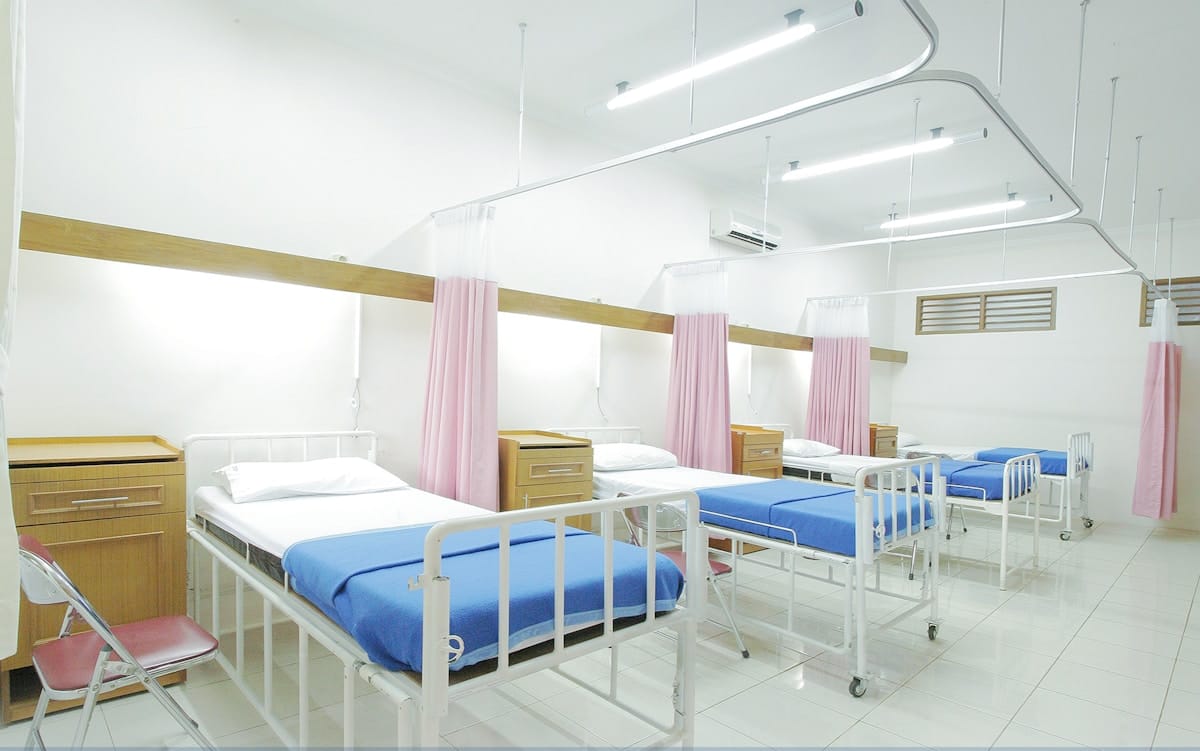
The dermatology teams of Lisbon's Hospital Santa Maria — the largest public hospital in Portugal — have been ordered to return more than EUR 800,000 paid to them for surgeries performed outside of regular working hours. The decision, announced on Thursday 16 April by the Inspeção-geral das Atividades em Saúde (IGAS), is the latest in a string of internal audits exposing irregularities in the way the Serviço Nacional de Saúde (SNS) pays its staff for so-called 'produção adicional'.
What IGAS found
According to the health inspectorate's note, investigators reviewed a sample of 511 surgical episodes performed by dermatology teams at Santa Maria under the additional-production regime. The sample represented EUR 901,851.11 in payments to surgical staff.
Of that amount, IGAS concluded that EUR 818,756.11 — around 91 per cent — had been paid illegitimately. The inspectorate has ordered that the sum be refunded by every member of the teams who received the money, meaning not just lead surgeons but also anaesthetists, nurses and auxiliary staff attached to the procedures.
IGAS did not publish the full legal basis for the finding, but 'produção adicional' is governed by a specific SNS framework that sets rules on eligibility, rates, and — critically — when a procedure can be counted as 'additional' rather than as part of ordinary scheduled work.
Why 'produção adicional' keeps surfacing
Additional-production payments were introduced to help the SNS tackle long surgical waiting lists. Doctors and other staff are paid extra to operate outside their normal timetable — typically in evenings, weekends or holidays — with the explicit objective of clearing the backlog of patients waiting for elective procedures.
The mechanism has long been controversial. Audits in recent years have repeatedly flagged cases in which procedures that should have been performed during regular hours — and therefore within a staff member's normal salary — were instead shifted into the overtime regime, triggering premium payments. Santa Maria itself has been scrutinised before, and several other units have faced similar claw-backs.
For an SNS that last year spent close to EUR 267 million on outsourced medical and nursing staff — a figure already on an upward trend — the political optics of doctors being paid twice for the same patient are uncomfortable, particularly at a time when the government is looking to rein in health spending.
What happens next
The IGAS finding is administrative: it orders the refund and leaves the hospital's administration, and ultimately the health minister, to execute the recovery. Individual professionals will be notified of the amounts each one is expected to repay, and can challenge the decision through the relevant administrative channels.
IGAS has not referred the case to the Public Prosecutor's Office at this stage, and there is no suggestion in the note that any criminal offence was committed. The inspectorate is framing the matter as one of regulatory non-compliance rather than fraud — but the size of the sum, and the fact that dermatology rather than a high-volume surgical specialty generated it, is likely to keep the story politically alive.
For patients, the more immediate concern is whether the scrutiny will cool hospitals' appetite for additional-production schemes altogether — and, if so, what happens to the waiting lists those schemes were designed to reduce. On the SNS-governance accountability tape, our read on the IGAS findings against ex-SNS executive director António Gandra D'Almeida and the LTFP–militar accountability gap sets the latest reference. On the SNS workforce side, our read on the 7 May SNS doctor package — tarefeiro contracts made excecional, the urgência bonus to 80.5% above the 250-hour cap, and INEM reorganised as a regime-especial institute sets the latest reference.