Public Sector Workers Strike for 24 Hours Today at the STTS Union's Call: Schools May Not Open, but Chemotherapy and Dialysis Go Ahead
The STTS union's 24-hour public sector strike runs all of Monday 2 November. It is not the Frente Comum's 20 November walkout. What the union wants, which services must keep running, and how to check your child's school.
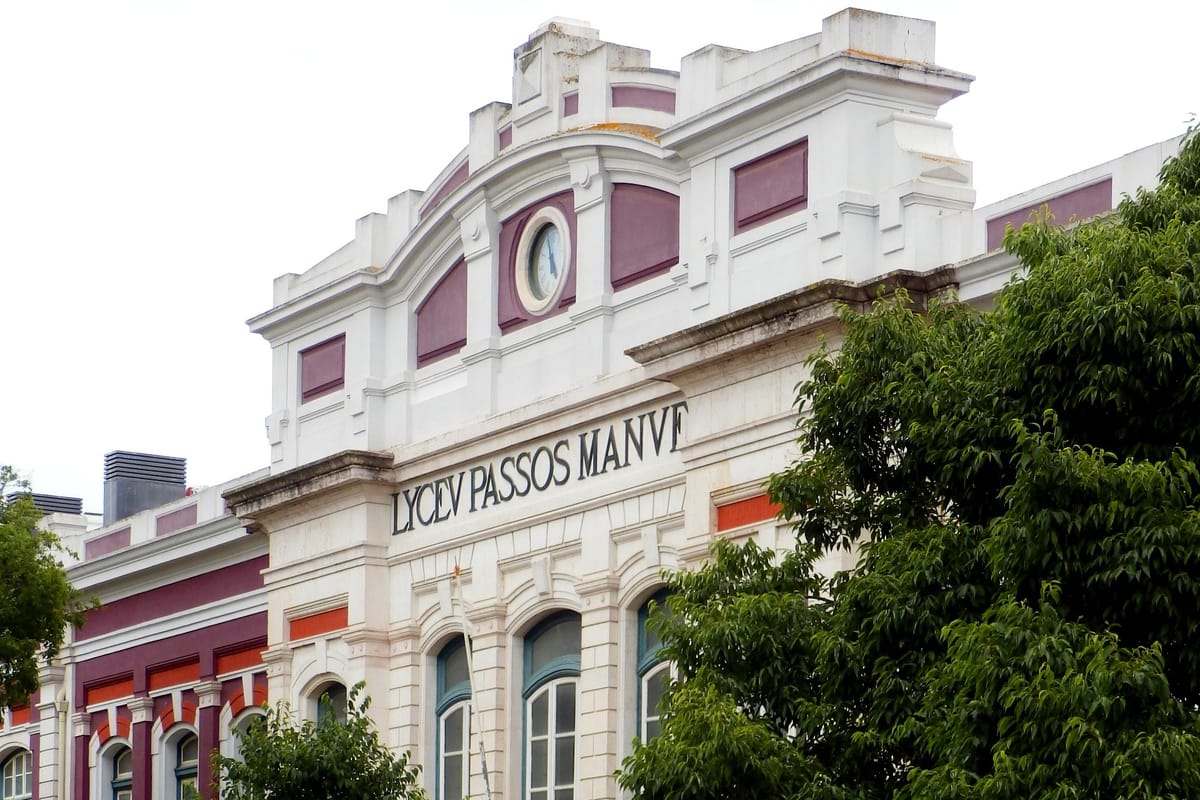
Public sector workers across Portugal are on a 24-hour strike today, Monday 2 November, from midnight to midnight. Some schools may not open, and health services, councils and other public offices may run with fewer staff. The strike was called by the STTS, the Sindicato Nacional dos Trabalhadores dos Serviços e de Entidades com Fins Públicos (National Union of Service Workers and Public-Purpose Bodies), a union based in Viana do Castelo. It is not the Frente Comum strike: that national walkout is a separate action set for 20 November.
Who can strike
According to the union's strike notice, dated 15 October, the strike covers workers within the union's remit whatever their contract, career or union membership. That includes public-employment contracts and ordinary labour contracts, the general and special careers, and the municipal police. Lusa, via Notícias ao Minuto, reports that it reaches central, regional and local government. RTP's Antena 1 morning bulletin said education and health could be affected. Shift workers whose shift starts after 20:00 on Sunday can strike until that shift ends on Monday.
Alongside the general notice, the union has posted separate notices addressed to the courts administration (DGAJ), the INEM emergency medical service, the Santa Casa da Misericórdia de Lisboa and the IPMA weather institute.
What the union wants
- A meal card (cartão refeição) for public workers worth 10.20 euros a day, tax-free, agreed through a collective employer agreement.
- Changes to SIADAP, the civil service performance appraisal system, so that points earned on fixed-term contracts or before a change of career are not lost; the return of points taken away; and the settling of the 2019/2020 and 2021/2022 appraisals.
- A risk allowance for health care assistants (técnicos auxiliares de saúde).
- A revised collective agreement for state-owned hospitals, which the union says has been out of date since the 2023 law that created the health care assistant career.
- More hiring, and an end to overtime shifts that leave staff working 14 to 17 hours in a row.
Minimum services
The notice says services that run 24 hours a day, every day, will keep at least the staff of a weekday night shift. It adds that chemotherapy, immunotherapy, haemodialysis and blood donation will go ahead. Employers, not the union, choose who works. Schools do not run around the clock, so this minimum service does not cover them.
What it means for you
- Schools. Check your school group's (agrupamento's) website or messages before you leave home. The António Damásio school group in Lisbon warned parents that it cannot promise every school will open, or that the gate, canteen and other services will run, and asked them to leave children only once they have seen the school is open. Our guide from the October school staff strike explains your options if you have to stay home with a child.
- Health. Chemotherapy, immunotherapy, dialysis and blood donation continue, and round-the-clock services such as hospital emergency departments keep at least night-shift staffing. If you have a routine appointment or test at a hospital or health centre, call ahead to check it is still on. For advice, ring SNS 24 on 808 24 24 24 or go to sns24.gov.pt.
- Councils and public offices. Council counters and other front desks may open late or not at all. Where you can, put routine business off to Tuesday or use the online service.