President Seguro's First Week: From Burned Villages to the Birthplace of a Nation
Three days into his presidency, António José Seguro has already sketched the broad outlines of a mandate that will look markedly different from his predecessor's. Where Marcelo Rebelo de Sousa governed through charisma and spontaneous selfies,...
Three days into his presidency, António José Seguro has already sketched the broad outlines of a mandate that will look markedly different from his predecessor's. Where Marcelo Rebelo de Sousa governed through charisma and spontaneous selfies, Seguro is signalling a more deliberate, policy-driven approach — beginning with a carefully choreographed tour of the country that placed rural decline and environmental ambition at the center of Portugal's political conversation.
Mourísia, Population: Handful
On his first full day in office, March 10, the new president traveled to Mourísia, a tiny village in the municipality of Arganil that was surrounded by wildfires in the devastating summer of 2025. Seguro had visited the village during his campaign, and his return as head of state carried deliberate symbolism: the interior matters, even when the cameras are usually pointed at Lisbon.
In Mourísia, a man named Tó Robalo held up a sheet of A4 paper with a message scrawled in the largest handwriting he could manage: "Presidente Tó Zé, I'm from Penamacor." He had lived in Arganil for 11 years and had once been employed by Seguro's father. He managed to deliver two kisses and his full story in the crush of the arrival — a moment that encapsulated the personal, almost familial politics of rural Portugal.
Guimarães: Cradle and Capital
From the fire-scarred interior, Seguro traveled to Guimarães — the city traditionally known as the birthplace of Portugal and, since January, the European Green Capital for 2026. The Green Horizons international conference was underway at the Teatro Jordão, and Seguro used the occasion to frame Guimarães as both historical symbol and future model. "Beyond being the cradle of the Nation and European Green Capital, it can also be a cradle of the future," he said, praising the city's "strategic vision and courage" on environmental policy.
Guimarães' Green Capital designation is a significant moment for northern Portugal, a region that sometimes feels overlooked in favor of Lisbon and the Algarve. The city has committed to a year-long program of sustainability initiatives, from urban mobility reforms to circular economy projects, and is using the title to attract investment and international attention.
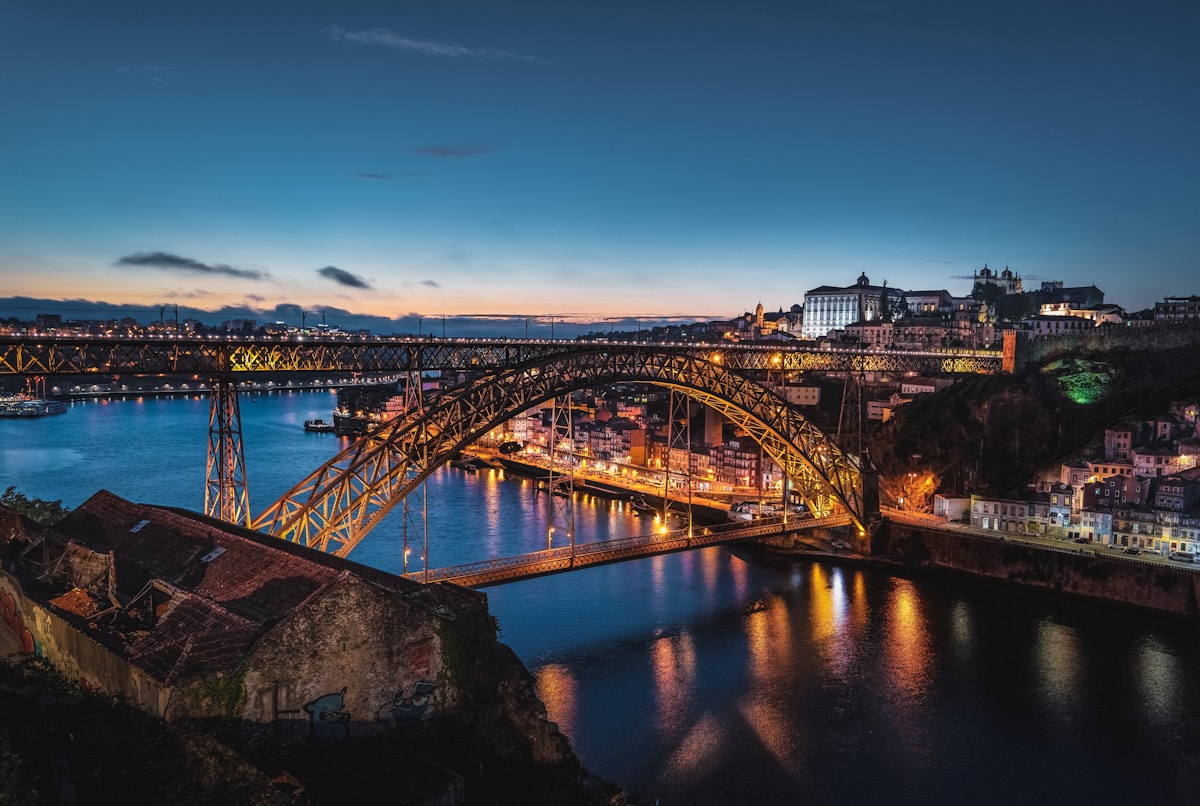
Porto: "A Country Where Everyone Counts"
The day concluded at Porto's City Hall, where Seguro delivered perhaps the clearest statement of his governing philosophy. "Portugal is a whole, a country where everyone counts," he declared, pushing back against what he sees as excessive centralism in Lisbon. The choice to end his inaugural tour in Porto — rather than return to the capital — was itself a message.
In his inauguration speech the previous day, Seguro had promised to "halt the electoral frenzy" that has seen Portugal cycle through multiple elections in recent years, and asked parliamentary parties for "a clear political commitment" to stability. It was a pointed reference to the fragile coalition arithmetic that has defined Portuguese politics since 2024.
What Comes Next
Seguro has announced that his first Presidência Aberta — the traditional open presidency tour of a specific region — will take place in the Centro region, further reinforcing his focus on the interior. For the roughly 1.2 million foreign-born residents now living in Portugal, the new president's emphasis on territorial cohesion and decentralization could influence everything from where public services expand to how regional housing markets develop. A president who consistently shows up outside Lisbon tends to shift investment and attention accordingly.
The contrast with Marcelo is deliberate and, so far, well-received. Whether Seguro can translate symbolic gestures into structural change will define his first year in Belém.