Portuguese Wine Regions: A Complete Guide for Expats and Wine Lovers in 2026
Portugal is home to over 250 indigenous grape varieties, 14 wine regions, and some of Europe's best value wines. For expats, understanding Portuguese wine is both a pleasure and a social necessity — it's how you connect with neighbours, navigate...
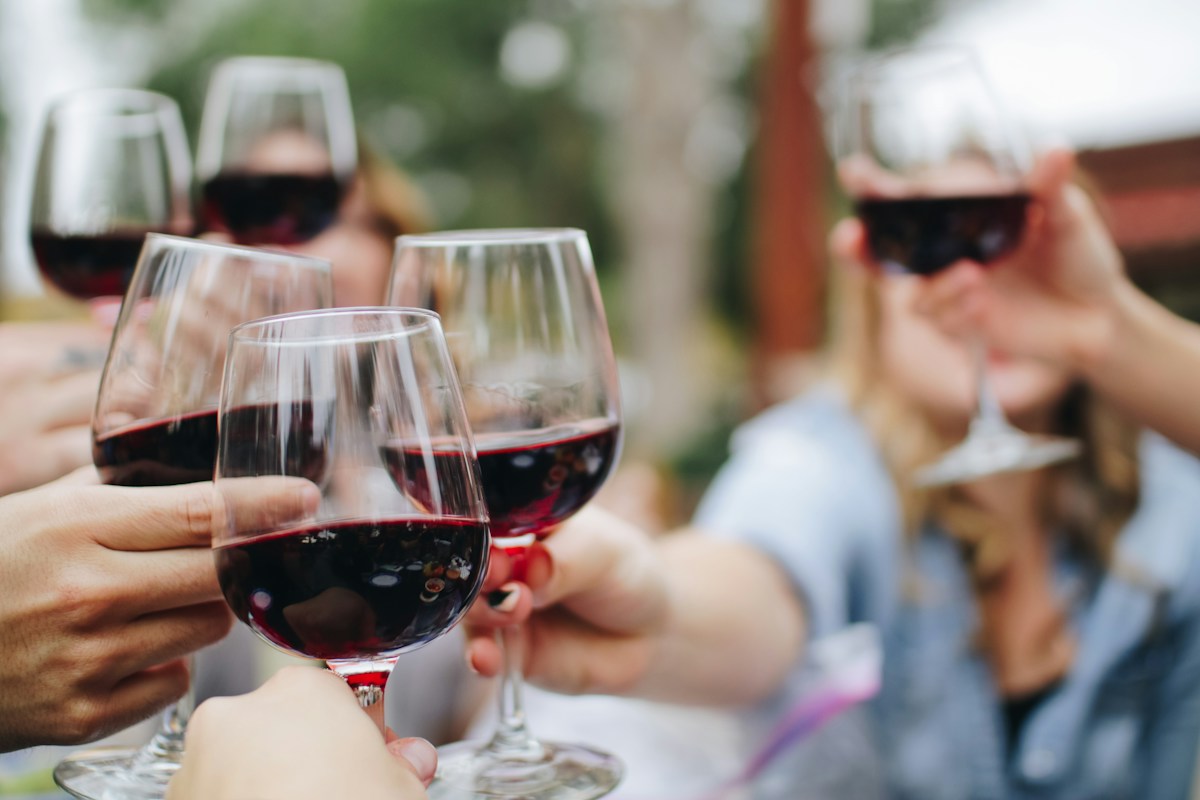
Portugal is home to over 250 indigenous grape varieties, 14 wine regions, and some of Europe's best value wines. For expats, understanding Portuguese wine is both a pleasure and a social necessity — it's how you connect with neighbours, navigate restaurant menus, and discover a 2,000-year winemaking tradition that rivals anything in France or Italy.
The Major Regions
Douro Valley (DOC Douro & Porto)
Portugal's crown jewel. The world's oldest demarcated wine region (1756), predating Bordeaux classifications by a century. The terraced vineyards along the Douro River are a UNESCO World Heritage Site.
- Port wine — Ruby, Tawny, Vintage, Vintage with Date of Harvest, LBV, Vintage Colheita, and Vintage Vintage. Aged in Vila Nova de Gaia caves across the river from Porto
- Douro DOC table wines — the region's real revolution. Red blends of Touriga Nacional, Touriga Franca, Tinta Roriz (Tempranillo), Tinta Barroca, and Tinto Cão. Rich, structured, age-worthy
- White Douro — increasingly excellent, from Rabigato, Viosinho, Gouveio, and Códega do Larinho
- Price range: €3-8 for good Douro DOC at supermarkets, €15-50 for premium estates
- Visit: Quinta do Crasto, Quinta do Vallado, Niepoort, Wine & Soul
Alentejo
Portugal's Tuscany. Vast plains, cork oak forests, and increasingly sophisticated winemaking. The Alentejo produces roughly a third of Portugal's wine and dominates supermarket shelves.
- Style: Generous, fruit-forward reds. Warm climate means ripe, approachable wines — easy drinking, good value
- Key grapes: Aragonez (Tempranillo), Trincadeira, Alicante Bouschet (thrives here uniquely), Antão Vaz (white)
- Sub-regions: Borba, Évora, Reguengos de Monsaraz, Vidigueira, Portalegre (higher altitude, more finesse)
- Price range: €2.50-6 for everyday, €10-30 for premium
- Visit: Herdade do Esporão, João Portugal Ramos, Adega Mayor, Herdade dos Grous
Dão
Central Portugal's granite-soiled region, producing some of the country's most elegant reds. Often compared to Burgundy for its emphasis on terroir and finesse over power.
- Key grapes: Touriga Nacional (origin here), Alfrocheiro, Jaen (Mencía), Encruzado (white — Portugal's finest white grape?)
- Style: Medium-bodied reds with mineral backbone, excellent ageing potential. Whites are textured and complex
- Price range: €4-8 everyday, €12-40 premium
- Visit: Quinta dos Roques, Casa de Santar, Álvaro Castro, Niepoort (Rótulo)
Vinho Verde
Not a grape — a region. The Entre Douro e Minho in northwest Portugal, known for light, fresh, slightly fizzy wines. But modern Vinho Verde is much more than the cheap spritzy stuff in green bottles.
- Key grapes: Alvarinho (Albariño in Spain, sub-region Monção e Melgaço), Loureiro, Trajadura, Avesso
- Two tiers: Simple Vinho Verde (€2-4, perfect summer drinking) and premium Alvarinho (€8-20, serious wines)
- Red Vinho Verde — exists and is traditionally drunk with fatty northern food. An acquired taste (tart, tannic, effervescent)
- Visit: Soalheiro, Anselmo Mendes, Quinta de Santiago, Palácio da Brejoeira
Lisboa (formerly Estremadura)
The region surrounding the capital, from the Atlantic coast to rolling hills. Historically underrated but producing exceptional value wines, especially from limestone-rich areas like Óbidos, Alenquer, and Arruda dos Vinhos.
- Key grapes: Castelão, Touriga Nacional, Arinto (Bucelas — produces Portugal's best crisp whites)
- DOC Bucelas: tiny sub-region making mineral, citrus-driven Arinto whites — think Portuguese Chablis
- DOC Colares: one of the world's rarest wines, from ungrafted vines in sand dunes near Sintra (phylloxera never reached them)
- Price range: €2-5 for everyday gems
Setúbal Peninsula
South of Lisbon, famous for two things:
- Moscatel de Setúbal — luscious fortified dessert wine from Muscat of Alexandria grapes. José Maria da Fonseca has been making it since 1834. The 20-year-old is extraordinary
- Palmela DOC — Castelão-based reds, increasingly good Syrah and Touriga Nacional
- Visit: José Maria da Fonseca, Bacalhôa, Casa Ermelinda Freitas
Bairrada
Between Dão and the coast, famous for the Baga grape — thick-skinned, tannic, acidic, and incredibly age-worthy when done right. Think Nebbiolo or Tannat.
- Sparkling wine: Bairrada is Portugal's sparkling capital, producing excellent traditional method wines from Baga and Maria Gomes (Fernão Pires)
- Visit: Luís Pato, Filipa Pato, Campolargo, Caves São João
Madeira
One of the world's greatest fortified wines, virtually indestructible. Madeira can last centuries thanks to the estufagem heating process (or natural canteiro ageing in warm attics).
- Noble grapes (driest to sweetest): Sercial, Verdelho, Boal, Malmsey (Malvasia)
- Uses: Dry Sercial as an aperitif, medium Verdelho with soup, rich Malmsey with dessert or cheese
- Age statements: 3-year, 5-year, 10-year, 15-year, 20-year, Colheita (single vintage), Frasqueira/Vintage (minimum 20 years)
- Visit: Blandy's Wine Lodge (Funchal), Justino's, Henriques & Henriques
Lesser-Known Regions Worth Exploring
- Trás-os-Montes — remote northeast, rugged reds, excellent value
- Beira Interior — high-altitude vineyards near Serra da Estrela, crisp whites
- Tejo — along the Tagus river, reliable everyday wines, increasingly ambitious producers
- Algarve — yes, the tourist region makes wine. Improving rapidly, especially around Lagos and Lagoa
- Açores (Azores) — UNESCO-listed currais (volcanic stone-walled vineyards) on Pico island. Arinto dos Açores wines are mineral, saline, unique. Tiny production, cult following
Understanding Labels and Quality Tiers
- DOC (Denominação de Origem Controlada) — highest tier, region-specific grape rules
- IG (Indicação Geográfica) / Regional — more flexibility in grapes and winemaking
- Vinho / Wine — table wine, no regional designation
- Reserva — higher alcohol and quality panel approved (not just marketing)
- Garrafeira — traditionally aged longer in bottle; for reds, minimum 30 months (12 in bottle)
- Colheita — single vintage/harvest
- Quinta — estate/farm (equivalent of château or domaine)
Wine Pricing: The Portugal Advantage
Portugal offers arguably the best wine value in Europe:
- €2-4: Perfectly drinkable everyday wines at Continente, Pingo Doce, or Lidl
- €5-10: Excellent quality, often rivalling €15-25 bottles from France or Italy
- €10-20: Premium wines, estate bottled, often exceptional
- €20-50: Top-tier producers, age-worthy, world-class
- €50+: Trophy wines (Barca Velha, Pêra-Manca, Chryseia)
Supermarket tip: Continente's wine fairs (March and October) offer 30-50% discounts on hundreds of wines. Stock up.
Wine Culture Tips for Expats
- Restaurant wine: The vinho da casa (house wine) is usually good and cheap (€5-10 per bottle). Don't be embarrassed to order it
- Garrafeiras: Independent wine shops with knowledgeable staff. Every city has them — far better advice than supermarkets
- Wine routes: Every region has a rota dos vinhos — mapped touring routes with cellar visits
- Harvest season (September-October): Many quintas welcome visitors for grape picking experiences
- Wine cooperatives: Often overlooked but can offer incredible value (Adega Cooperativa de Borba, for example)
The best way to learn Portuguese wine? Start drinking. At these prices, you can afford to explore widely. Open a different bottle every week, keep notes, visit the regions when you can. Within a year, you'll have a deeper knowledge than most locals — and a cellar to be proud of.
Background: See Eurostat's Workers' Day reading on weekend work in Portugal.