Portuguese Teachers Abroad Win Their First Pay Rise Since 2009: About 20 Percent by 2029
The government and unions have agreed a new legal regime for the network that teaches Portuguese to emigrants' children and at foreign universities. It will cost about 8.6 million euros.
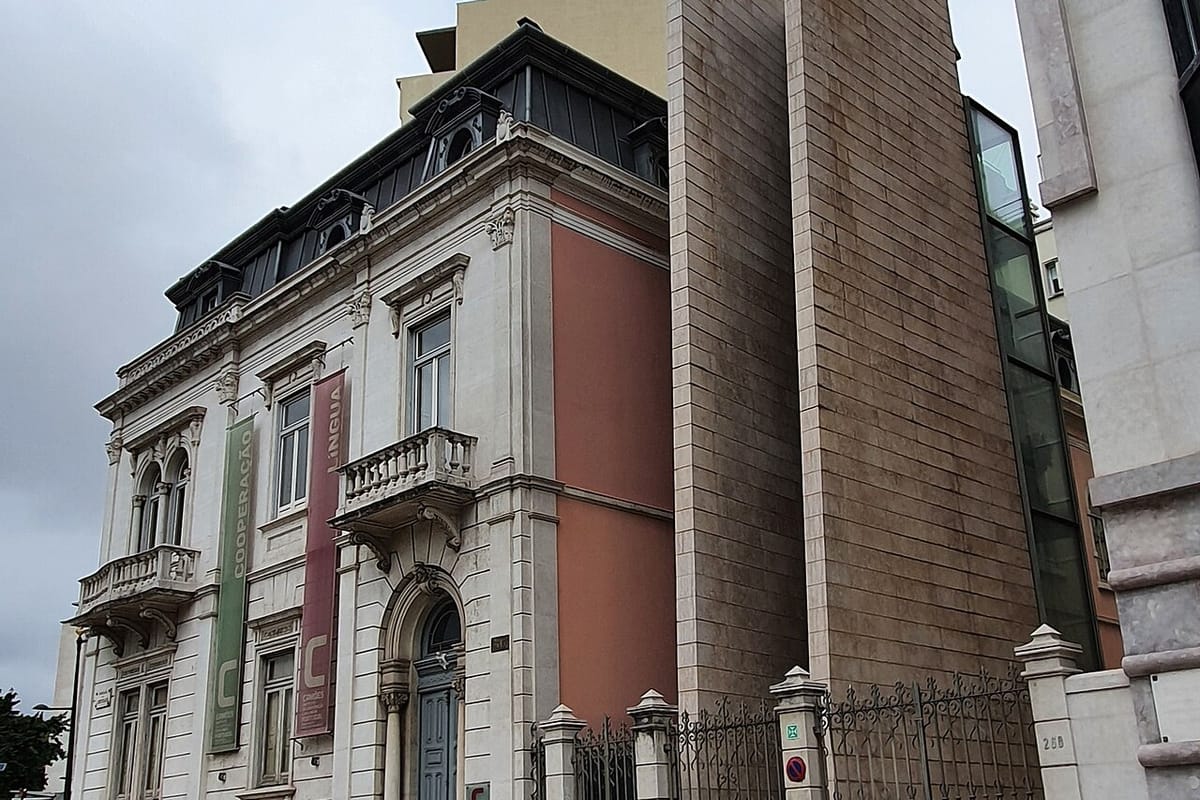
Teachers and university lecturers who teach Portuguese abroad will get pay rises of about 20 percent between 2027 and 2029, under an agreement reached on Monday between the government and their unions. It is the first revision of their pay scales since 2009.
The Ministry of Foreign Affairs, which runs the Portuguese Teaching Abroad network (Ensino Português no Estrangeiro, EPE), announced the deal in a statement sent to Lusa. The new legal framework for the network, known as the RJEPE, provides for "cumulative pay increases, in the great majority of cases, of around 20 percent between 2027 and 2029" and a revised pay table. The ministry puts the extra cost at about 8.6 million euros, including social contributions.
"Total stagnation since 2009"
"In this area there had been total stagnation since 2009, and there was not even a coherent and stable legal regime," said the Foreign Minister, Paulo Rangel, quoted in the statement. "Reaching this agreement completes a fundamental priority for the ministry: giving professionals better conditions in order to restore the value of Portuguese teaching around the world."
The network covers the teachers who give Portuguese language and culture classes to the children of Portuguese families abroad, mainly in Europe and southern Africa, and the lecturers (leitores) who teach Portuguese at foreign universities. The ministry says the new regime recognises "the professionals who ensure the presence and projection of the Portuguese language and culture throughout the world".
A long dispute
The deal ends a negotiation that was far from smooth. On 31 July, the National Education Federation (FNE) said the government's pay proposal fell "very far short". Its deputy secretary-general, Paulo Fernandes, told Lusa that the offer, although better than earlier tables, left salaries low and "very uneven" between countries. In some cases, such as teachers in France, the proposed rise was eight euros.
Fernandes said the teachers' pay had been frozen since 2009, while cumulative inflation in the countries where they work ranged from 25 to 50 percent. The union also warned that lecturers risked a real fall in take-home pay because of a new way of taxing a salary supplement, and objected to the proposed housing allowance rules, which it said created "deep inequalities" and penalised teachers who had bought a home or started a family. It wanted the allowance folded into base pay.
Monday's statement did not say how those two points were settled, and the unions had not yet published the final terms.
Why it matters
The EPE network is Portugal's main tool for keeping the language alive among the children of its emigrants, one of the largest diasporas in Europe. Unions have long argued that pay frozen for 17 years, in countries where living costs kept rising, made it hard to keep teachers in the network. The rises are phased in from 2027, and the new regime takes effect once it is approved by the government and published in the Diário da República.