Portuguese Food Markets: A Guide to Mercados, Supermarkets, and Where to Find What
Food shopping in Portugal is one of the genuine pleasures of living here. The quality of fresh produce, seafood, and meat is excellent, prices are lower than most of Western Europe, and the traditional market culture survives alongside modern...
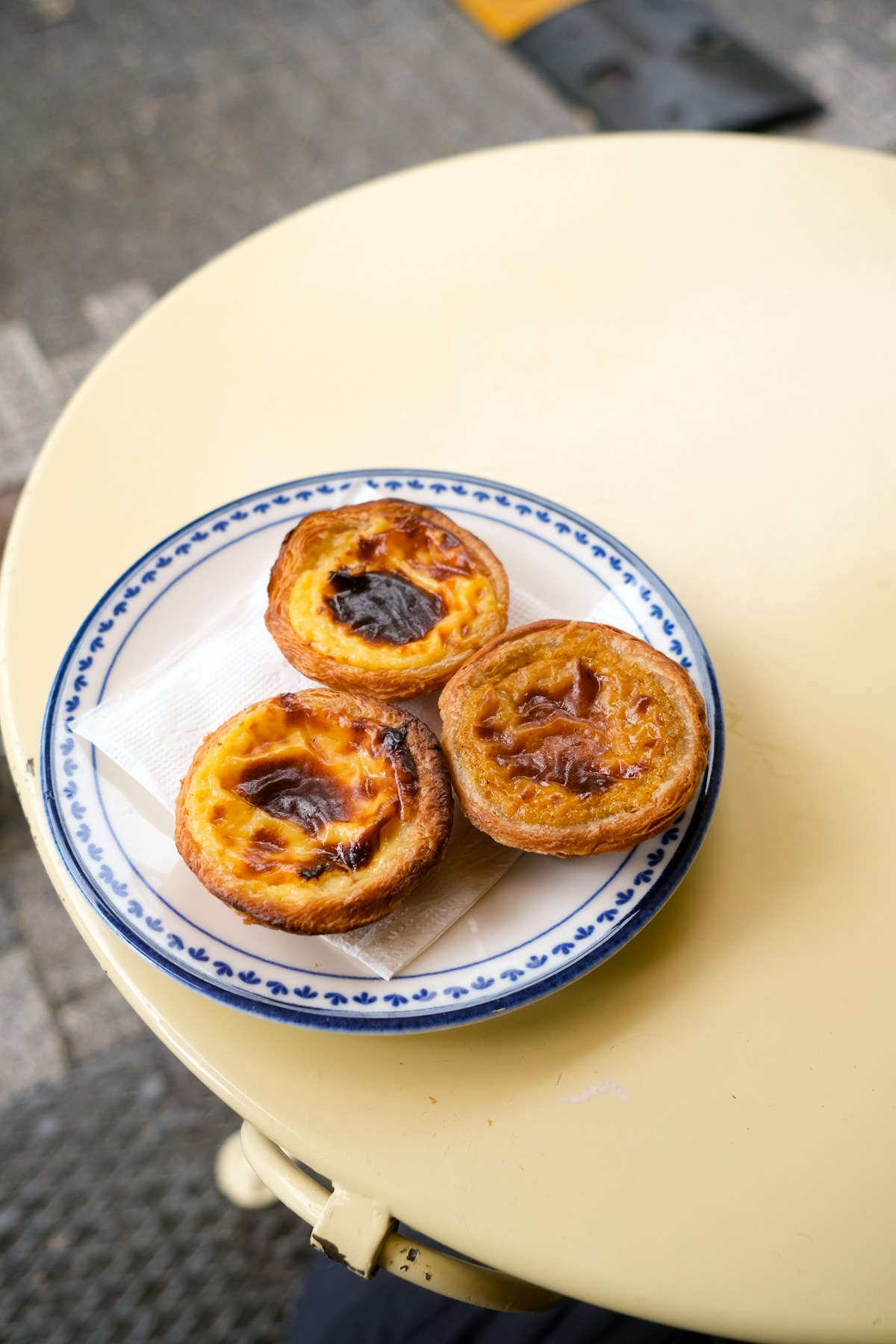
Food shopping in Portugal is one of the genuine pleasures of living here. The quality of fresh produce, seafood, and meat is excellent, prices are lower than most of Western Europe, and the traditional market culture survives alongside modern supermarkets. Here's how to navigate all of it.
Traditional Markets (Mercados Municipais)
Every Portuguese city and most towns have a municipal market — a permanent covered market with stalls selling fresh produce, meat, fish, cheese, bread, and flowers. These are not tourist attractions (though some have become that too). They're where Portuguese people actually shop.
Major Markets
- Mercado da Ribeira (Lisbon): The ground floor is a traditional market (mornings, Monday-Saturday). The upper level is Time Out Market — a food hall that's become Lisbon's most visited attraction. Go downstairs for actual shopping.
- Mercado do Bolhão (Porto): Beautifully restored neo-classical market. Fresh fish, meat, cheese, flowers. The heart of Porto's food culture.
- Mercado do Livramento (Setúbal): Regularly voted one of Portugal's best markets. The fish section is extraordinary — fresh from the morning boats.
- Mercado Municipal de Braga: Excellent produce, local cheeses, and sausages from the Minho region.
- Mercado de Loulé (Algarve): Beautiful Moorish-style building with exceptional fruit, fish, and Algarvian specialities.
How Markets Work
- Hours: Typically 7am-2pm, Monday to Saturday. Some stay open until 5-6pm. Closed Sundays.
- Payment: Cash is still king at many stalls, though card acceptance is growing. Bring small notes.
- Etiquette: Don't touch the produce — point and ask. "Quero dois quilos de..." (I want two kilos of...) or just point and hold up fingers. Vendors are usually patient with non-Portuguese speakers.
- Seasonal: What's available changes with the season. This is a feature, not a bug — you'll eat better food by following what's fresh.
- Prices: Often cheaper than supermarkets for seasonal produce and fish. Meat is comparable.
Supermarket Chains
Continente (Sonae)
Portugal's largest chain. Multiple formats:
- Continente Modelo: Large hypermarkets (think Tesco Extra or Walmart). Full range, best for big weekly shops.
- Continente Bom Dia: Smaller convenience format in urban areas.
- Continente Online: Home delivery available in Lisbon, Porto, and expanding. Generally reliable.
- Cartão Continente: Loyalty card with significant discounts. Worth getting immediately — some sale prices only apply with the card.
Pingo Doce (Jerónimo Martins)
The second-largest chain and many expats' favourite:
- Strong own-brand range at very competitive prices
- Excellent fresh bakery and deli sections
- Good ready-made meals (refeições prontas) for quick dinners
- Poupa Mais loyalty app with personalised discounts
- Widely regarded as having the best quality-to-price ratio
Lidl
- Same as elsewhere in Europe — limited range, excellent prices
- The bakery section is outstanding (and cheap)
- Weekly specials on non-food items (the middle aisle phenomenon)
- Portuguese-adapted products: bacalhau, pastéis de nata, regional cheeses
- Lidl Plus app for additional discounts
Aldi
- Expanding in Portugal but fewer stores than Lidl
- Similar model: limited range, low prices
- Good for basics and their weekly speciality range
DIGI (New Entrant)
- Romanian-owned discount chain expanding aggressively in Portugal
- Extremely competitive on price — often the cheapest option
- Growing store network, particularly in urban areas
Minipreço
- Budget chain with small-format stores in urban neighbourhoods
- Convenient for quick top-up shops
- Prices competitive with Lidl on many items
Intermarché
- French-owned, strong in rural areas and smaller towns
- Good wine selection at competitive prices
- Often the main supermarket in smaller communities
El Corte Inglés
- Premium department store supermarket (Lisbon and Vila Nova de Gaia)
- Excellent for international and gourmet products
- Higher prices but wider range of imported items
- Best place for finding specific international ingredients
Specialist Shops
Peixaria (Fish Shop)
Standalone fish shops are common and often superior to supermarket counters. Portugal consumes more fish per capita than any other EU country — the supply chain is excellent. Fish is sold by weight, and the fishmonger will clean, scale, and fillet for free if asked.
Talho (Butcher)
Traditional butchers offer better cuts and more knowledgeable service than supermarkets. They can custom-cut, mince, or prepare meat to your specifications. Pork is king in Portuguese cuisine — ask about regional breeds like porco preto (black Iberian pig).
Padaria/Pastelaria (Bakery/Pastry Shop)
Every neighbourhood has at least one. Portuguese bread is excellent — pão de água (water bread), broa (corn bread), pão alentejano (Alentejo bread). Pastries are cheap (€1-2) and dangerous for waistlines. The pastel de nata is ubiquitous but look for local specialities: travesseiro (Sintra), ovos moles (Aveiro), pastel de Tentúgal (Coimbra).
Queijaria (Cheese Shop)
Portugal has extraordinary cheeses that most foreigners don't know about:
- Serra da Estrela: Soft, runny sheep's milk cheese. The crown jewel of Portuguese cheese. Cut the top off and scoop with bread.
- São Jorge (Azores): Hard cow's milk cheese aged 3-7 months. Similar to young cheddar but with more character.
- Azeitão: Small soft sheep's cheese from the Arrábida region. Buttery and intense.
- Nisa: Semi-hard sheep's cheese from Alentejo with a distinctive earthiness.
- Queijo fresco: Fresh white cheese eaten with a drizzle of olive oil and oregano. Simple perfection.
Mercearia (Grocery/Deli)
Traditional grocery shops survive in older neighbourhoods. They stock canned goods, dried goods, cured meats, cheeses, and wine. Often family-run, sometimes generations old. Prices may be slightly higher than supermarkets but the products and advice are worth it.
Finding International Ingredients
One of the challenges for expats is finding ingredients from home:
Asian
- Martim Moniz area (Lisbon): Asian supermarkets along Rua do Benformoso and surrounding streets. Chinese, Indian, Bangladeshi, Thai ingredients.
- Kong Supermarket (Lisbon): Largest Asian supermarket with comprehensive stock
- Asian shops in Porto: Concentrated around Bolhão area
- Online: orientalmarket.pt delivers nationwide
British
- Iceland (frozen food): Has stores in the Algarve and Lisbon areas
- British Corner Shops: Found in expat-heavy areas (Algarve, Silver Coast). Stock Marmite, PG Tips, HP Sauce, baked beans, etc.
- Online: britishcornershop.co.uk delivers to Portugal
American
- El Corte Inglés: Best bet for American brands
- Glood: Online store specialising in American food brands in Portugal
- Costco: Not in Portugal (yet), but some expats make shopping trips to Spain
Middle Eastern/Turkish
- Growing number of halal shops in Lisbon (Mouraria/Martim Moniz area)
- Some Turkish supermarkets in Porto
Health Food and Organic
- Celeiro: Portugal's largest health food chain. Good for organic, gluten-free, vegan products.
- Go Natural: Organic and natural food shops in Lisbon
- Bio sections: Continente and Pingo Doce both have expanding organic ranges
Online Grocery Delivery
- Continente Online: Widest range, home delivery, click-and-collect
- Auchan Online: Good alternative with competitive prices
- Glovo / Bolt Food: Quick delivery from local supermarkets and shops
- Getir / Gorillas: Ultra-fast delivery (expanding in Lisbon)
- Too Good To Go: Not groceries per se, but rescue bags from bakeries and supermarkets at 1/3 price
Price Comparison Tips
- Check unit prices: Portuguese law requires price-per-kg/litre to be displayed. Use this, not the total price, to compare.
- Own-brand products: Pingo Doce and Continente own brands are generally excellent quality at 30-50% less than branded equivalents.
- Folhetos (flyers): Weekly promotional flyers are available in-store and online. The Promotons or KuantoKusta apps aggregate deals across chains.
- Buy seasonal: Prices for fruit and vegetables drop dramatically when in season. Summer tomatoes cost a fraction of winter imports.
- Markets for fish: Market fish prices are often 20-30% less than supermarket fish counters, and quality is typically superior.
- Lidl bakery: Genuinely one of the best value propositions in Portuguese food shopping. Fresh bread for €0.20-0.50.
Portugal's food shopping ecosystem is one of its great strengths. The combination of traditional markets, competitive supermarkets, specialist shops, and exceptional raw ingredients makes daily cooking a pleasure. Embrace the market culture, follow the seasons, and let the quality of Portuguese food speak for itself.
Related reading: Portugal Picks 1 January 2027 to Pull the Ultra-Thin Plastic Bags Off the Supermarket Produce Counter On the Sonae international-expansion side, our read on Sonae's Musti acquisition of Petco Retail AS in Norway (Nordic pet-care champion adds its fourth country; ZU's 68 Portuguese stores sit outside the deal perimeter) sets the latest reference.


