Portugal Picks 1 January 2027 to Pull the Ultra-Thin Plastic Bags Off the Supermarket Produce Counter — TERRA+ Strategy Routes the Substitution Through APED Without a New Tax
The Environment Minister has picked substitution over a tax. Reusable nets and recycled-textile bags replace transparent ultra-light produce bags from 1 January 2027, with the transition run through APED inside the TERRA+ programme.
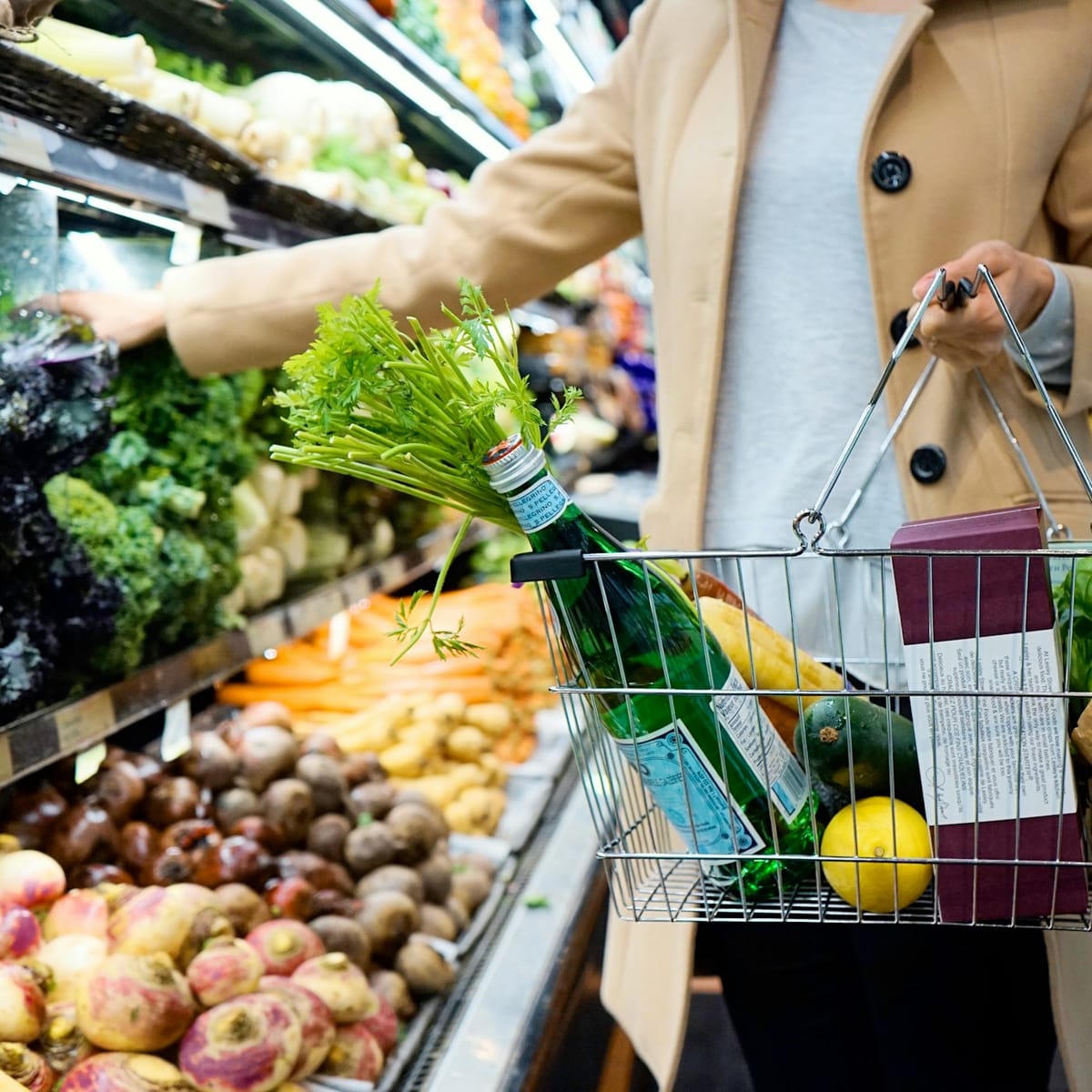
The transparent ultra-thin plastic bags that sit on rolls beside every Portuguese supermarket's fruit-and-vegetable counter will disappear from the country's retail floor by 1 January 2027. Environment and Energy Minister Maria da Graça Carvalho confirmed the timetable this weekend in Público, locating the measure inside her wider TERRA+ strategy — the multi-billion-euro waste-management investment programme that runs from now to the end of the decade.
The minister's framing was deliberate: the phase-out is being run as a substitution, not a tax. Carvalho told ECO in mid-January that ‘não foi para a frente a taxa, mas está a ir para a frente a substituição de hábitos’ — the tax route did not advance, but the habit-substitution route is. The reasoning, she added, was that ‘já há imensas taxas’ — there are already plenty of taxes — and that the policy outcome the Government wanted, which was the elimination of the bags themselves, did not require a new fiscal instrument.
What the deadline actually covers
The bags hit by the deadline are the ultra-light transparent variety used for loose fruit, vegetables, bread and bulk dry goods inside supermarkets. They are the bags below 15 microns in thickness, distinguished from the heavier 50-micron carrier bags that have already been priced out at the supermarket exit since 2015 (which currently cost between two and 10 cents per bag depending on the retailer).
From 1 January 2027, the ultra-light variety stops being available at the produce counter. What replaces them, after months of conversation between the Ministry and APED — the Associação Portuguesa de Empresas de Distribuição, the supermarket-chain trade body — is a menu of reusable alternatives: nylon mesh nets that can be re-used dozens of times, bags made from recycled textiles, and bags made from cellulose-based compostable materials that double as bin liners for the brown organic-waste bin.
APED's positioning is that the alternatives will be sold rather than given away, on the grounds that ‘free’ alternatives have a track record of being treated as single-use anyway. Current retailer prices for the reusable mesh net range from around 90 cents to two euros per item, with the recycled-textile shopping bag tending to sit at the upper end. Carvalho has said that during the initial transition phase the new bags should be free or near-free at the point of sale, to keep the policy from registering as a hidden price increase on a household basket already running at record levels.
Why now, and why this way
Portugal already over-performs on the underlying European Union target. The European Plastic Bag Directive set a ceiling of 40 lightweight bags per capita per year by 2025, and Portugal was already at nine bags per capita per year in 2021, well inside the target. The 2027 deadline is therefore not a compliance move — it is an active policy choice to walk down the consumption number further, on the argument that the ultra-light bags are uniquely difficult to recycle (they jam sorting machinery, contaminate paper streams, and cannot be melted into useful secondary plastic in any economic process).
The choice of substitution rather than a tax was the second active call. A 2023 industry consultation had floated a per-bag tax similar to the 10-cent levy on the 50-micron carrier bags introduced in 2015. The Imposto sobre os Sacos de Plástico Leves raised modest revenue but produced the consumption drop the Government wanted. Applying the same model to the ultra-light variety would have generated more revenue but would have hit fruit-and-vegetable purchases — a politically sensitive category — with a per-item charge each time. The substitution route avoids that price signal and shifts the cost onto a one-time purchase of a reusable alternative.
TERRA+ as the strategic envelope
The plastic-bag deadline sits inside TERRA+, which Carvalho positioned this weekend as the central waste-and-resource investment programme for the decade. The investment envelope, sized at between €2.1 billion and €3.7 billion depending on the modelling case, runs across mechanical-biological treatment plants, waste-to-energy facilities, the modernisation of the WEEE (Waste Electrical and Electronic Equipment) collection-and-recycling chain, and compensation mechanisms for municipalities hosting treatment infrastructure.
The Volta deposit-return system that launched on 10 April 2026 — the 10-cent per-bottle scheme rolled out to roughly 2,500 reverse-vending machines across the country — is the operational anchor of the same strategy. Volta covers single-use plastic, aluminium and steel containers up to three litres, with a 90% collection target by 2029. The plastic-bag substitution closes the loop on the bag end of the same rationale: get the unrecyclable items off the supermarket floor, lift the recyclable ones into a return system, and pay for the back-end treatment infrastructure through TERRA+.
Where the politics could yet bend
Three pressure points sit between the announcement and the 1 January 2027 deadline.
First, APED's pricing position. The minister has said the bags should be free or near-free in the early transition phase, but the trade body's negotiating posture has been that ‘free’ is exactly what produced the original ultra-light-bag overuse problem. If APED holds the line at 90-cent-to-two-euro pricing from day one, the policy will land on Portuguese households as a small but visible cost increase on each grocery trip — and DECO PROteste, the consumer association, has already flagged that as a potential conflict.
Second, the compostable cellulose route. The minister mentioned it favourably, but the cellulose-based products on the Portuguese market today are roughly three to five times the unit cost of the equivalent reusable mesh net. If they end up dominating the early replacement supply, the cost-pass-through to households will be materially larger than the current pricing of the mesh nets implies.
Third, the legal vehicle. The Ministry has not yet published the decree-law or portaria that operationalises the 1 January 2027 cut-off, the enforcement framework, or the inspection regime. That will need to be gazetted in Diário da República with enough lead time for the supermarket chains to plan their supply-chain changeover — in practice, no later than the third quarter of 2026.
What it means for shoppers
For an expat resident, the practical effect is straightforward. From 1 January 2027, the roll of transparent thin plastic bags above the produce scales is gone. The replacement is a reusable mesh net or a recycled-textile bag — you buy one (or a few), and you bring them with you on each shop. Most Portuguese supermarket chains already display reusable nets near the produce counter at prices between 90 cents and two euros, and supermarket loyalty programmes in 2026 are increasingly offering them at promotional prices or free with a minimum spend.
The other practical change is that the existing 10-cent Imposto sobre os Sacos de Plástico Leves on the 50-micron carrier bags at the till stays in place. The 2027 measure does not replace that levy — it sits on top of it, closing the gap on the one bag class the levy never touched.
Related on The Portugal Brief: getting a NIF as a new arrival in Portugal.