Portugal's Prosecutor General Shuts the Group Set Up Six Years Ago to Head Off Fraud With EU Funds, and Its Members Push Back
Amadeu Guerra says the think tank never secured the European Public Prosecutor's cooperation and had little effect on cases. Its members say prevention, not prosecution, was always the point.
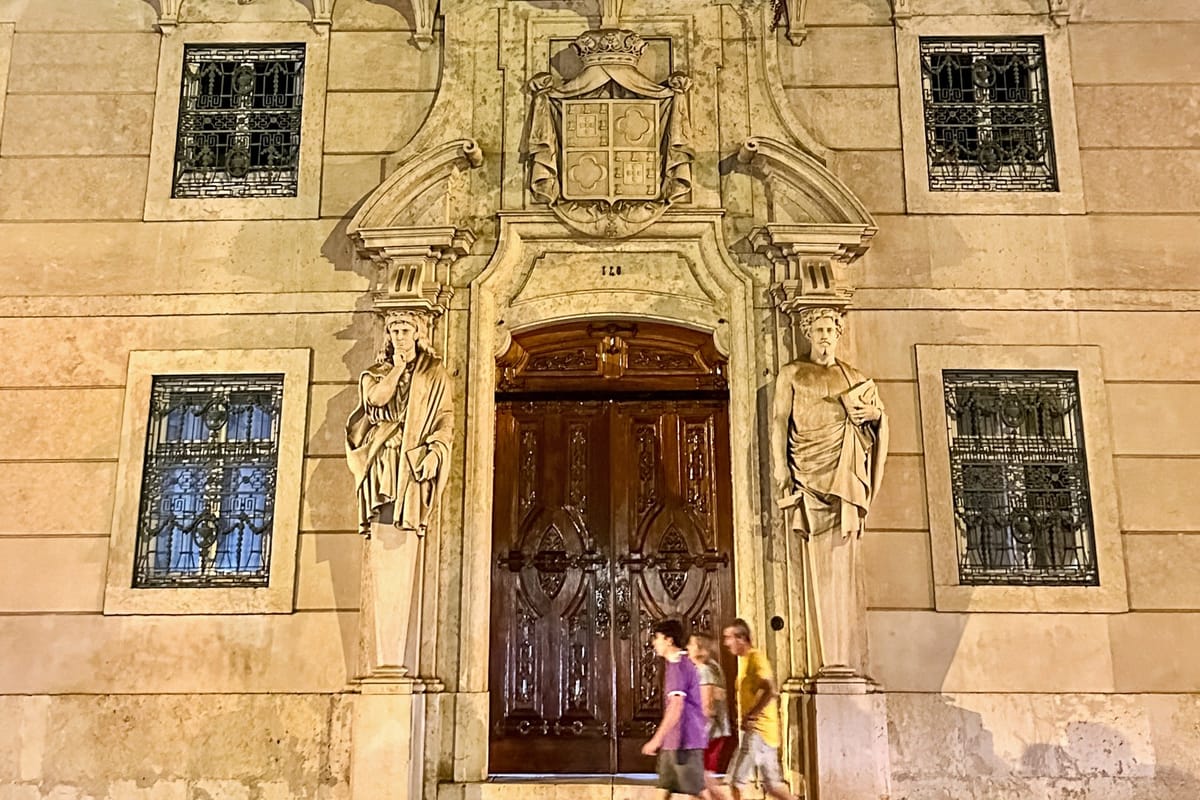
Portugal's Prosecutor General, Amadeu Guerra, has shut down the working group that the Public Prosecution Service set up six years ago to anticipate fraud in European Union funds. He signed the order not to renew the group on 2 September, and its members were told on 11 September. The decision became public on Tuesday, when the business daily ECO reported on a letter in which the group's members set out their objections.
The group, known inside the service as a "think tank" and formally as a reflection group, was created by the previous Prosecutor General, Lucília Gago, on a proposal from Ana Carla Almeida, then a prosecutor at the Central Department of Criminal Investigation and Prosecution (DCIAP). It brought prosecutors together with the bodies that pay out and audit European money: the Finance Inspectorate (IGF), the Agency for Development and Cohesion (AD&C), the agriculture and fisheries funding institute IFAP, and Recuperar Portugal, the mission structure that runs the Recovery and Resilience Plan (PRR).
Why the Prosecutor General closed it
According to ECO, Guerra gave two reasons. The group had never achieved effective cooperation with the European Public Prosecutor's Office (EPPO), and it had no significant direct impact on the work of prosecutors. He praised the work done, but moved the group's functions to DCIAP, whose director will set the terms.
His order says the DCIAP strategic plan will keep a focus on prevention and coordination, working with some of the bodies that sat in the group (IGF, AD&C, IFAP and Recuperar Portugal), with the regional prosecution departments and with the EPPO where justified.
The members' reply
The members met on 28 September and put their position in writing. They say they do not dispute the Prosecutor General's right to choose the model he prefers, but they reject both reasons.
On the EPPO, they say the group invited the European Chief Prosecutor, Laura Kövesi, to take part in June 2020. She replied the next day that her duties did not allow her to join in person and that she would encourage Portugal's European Prosecutor to do so. The members say they do not know what happened next inside the EPPO, and that the absence of its participation cannot be blamed on the group.
On impact, they argue that influencing individual criminal cases was never the point. Their mission, they write, was preventive and strategic: finding weak points in controls, circulating information, bringing institutions closer together and spotting risks before they became crimes.
They also acknowledge that not every recommendation went as far as hoped, and that participation changed in the final phase. The Finance Inspectorate left the group first; AD&C, IFAP and Recuperar Portugal followed.
What survives and what does not
Two pieces of work will continue: a nearly finished e-book on simplifying the language used in managing EU funds, and follow-up of the TRACE project, a study of how the information systems used to manage and control those funds can work together. An external evaluation of the group by Deloitte, offered free of charge, is now in doubt, and the group's 2026 annual conference with Nova SBE, which was to include a critical look at how the PRR has been carried out, has been pushed back to the first quarter of next year.
The recovery plan reports
The closure comes as questions remain about another anti-fraud task involving the prosecution service. Ana Carla Almeida also sat on the PRR's Audit and Control Commission, which reports on each of Portugal's payment requests to Brussels. ECO notes that the last of those reports, on the sixth request, was published on 7 September 2025. Portugal has since submitted its tenth and final request, and no report on the seventh, eighth or ninth has appeared.
Prosecutions over EU money continue through the ordinary channels: in September, prosecutors in Évora charged 13 people over alleged fake invoices for EU forestry aid.