Portugal's Last Circus Elephant Gets a Companion in November, as an Alentejo Sanctuary Readies Kariba for the Trip From Belgium
Kariba, an African elephant at a Belgian zoo, should join Julie, Portugal's last circus elephant, at the Pangea sanctuary near Vila Viçosa around mid-November. A third may follow early next year. What the sanctuary is, who can visit, and what the circus law says.
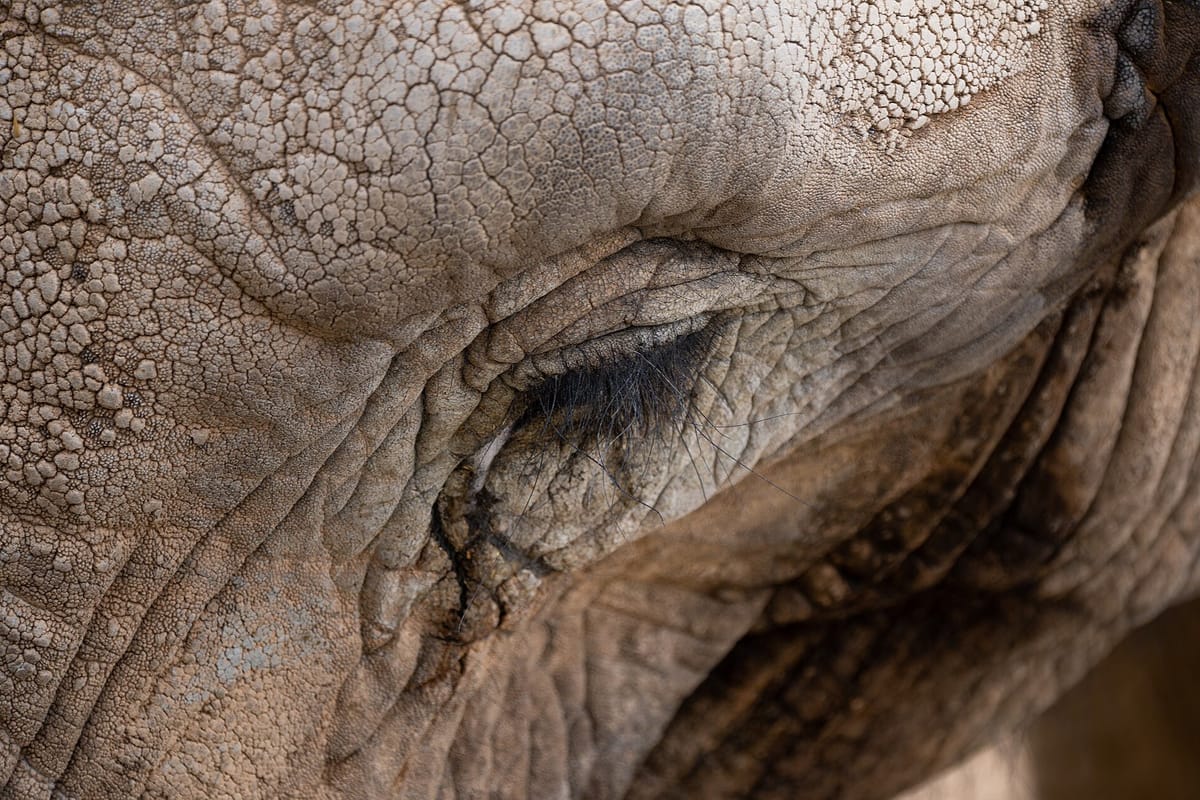
Julie, described as the last circus elephant in Portugal, should have company by the middle of November. Ryan Hockley, manager of the Pangea sanctuary on the border of Vila Viçosa and Alandroal, in the Évora district, told Lusa during a press visit on Thursday that a second elephant, Kariba, should arrive from a zoo in Belgium around the second week of the month. Talks are under way for a third, possibly early next year, but he gave no details.
Who is coming, and why the wait
Kariba is an African elephant who has lived for years at Pakawi Park in Belgium. Her move, first expected earlier this year, was held back by a foot abscess and infections, one of which cost her part of an ear. In its third health update, on 15 October, Pangea said her vets now consider her nearly fit to travel, but that she was not yet comfortable staying in her transport crate for long. Hockley says the journey takes at least 36 hours.
Julie arrived at the start of July after decades with the Víctor Hugo Cardinali circus, which agreed to the move. The sanctuary's operations coordinator told Lusa that cameras show her spending 18 to 20 hours a day outdoors. The two, both African females in their forties, will first meet with a barrier between them, and share space only if that goes well.
What the sanctuary is
Pangea is a non-profit registered in the United Kingdom and in Portugal, backed by the Born Free Foundation, the Fondation Brigitte Bardot and World Animal Protection. The estate covers about 400 hectares, but the elephants now use about 3 hectares outdoors; Lusa reported plans to extend that to 30 hectares next year, within an investment of 15 million euros over about ten years, and a capacity of up to 30 animals. Pangea says it does no breeding or trading.
It is not a visitor attraction, and Pangea's visitor policy rules out casual visits. The first open day for schoolchildren aged 10 to 16 is planned for November 2026, with places won through an art competition. From 2027, residents of Alandroal and Vila Viçosa get a yearly open day by lottery, and donors of 50 euros or more in the previous year can enter a draw for one supporters' visit. Vila Viçosa's mayor told the Diário de Notícias in 2025 that he saw the project as part of the town's World Heritage bid, drawing study visits rather than mass tourism.
The law behind Julie's move
Julie's retirement follows Lei n.º 20/2019 (Law 20/2019), in force since 23 February 2019, which bans wild animals in circuses. Existing permits lapsed after six months; circuses could instead ask for a transitional licence of at most six years, during which use of the animals had to wind down. Buying, breeding, capturing or training new wild animals for circuses is banned, as is abandoning them. The law also requires circuses to register every animal they hold and tells the government to run a voluntary surrender programme, rehoming animals in suitable centres in Portugal or abroad.
Decreto-Lei n.º 47/2020 (Decree-Law 47/2020) gives the Direção-Geral de Alimentação e Veterinária (DGAV, the veterinary authority) the national register of circus animals, and the Instituto da Conservação da Natureza e das Florestas (ICNF, the nature conservation institute) the register of wild specimens and the surrender programme. Pangea describes Julie's move as a voluntary arrangement with the circus family; its announcements do not say whether the state programme played a part.
What happens next
- Around the second week of November: Kariba's planned transfer from Belgium, if she is ready for the crate.
- November 2026: the first schools open day.
- Early 2027: a possible third elephant, and work to widen the outdoor area to 30 hectares during the year.