Portugal's Food-Safety Watchdog Enlists Shoppers to Flag Mislabelled Products in an EU-Wide Push
Portugal's food-safety regulator ASAE is asking shoppers to read labels and report errors, part of the 23-country Safe4eat campaign. This year's focus: allergens, additives, nutritional and health claims — and what the law obliges every food label to tell you.
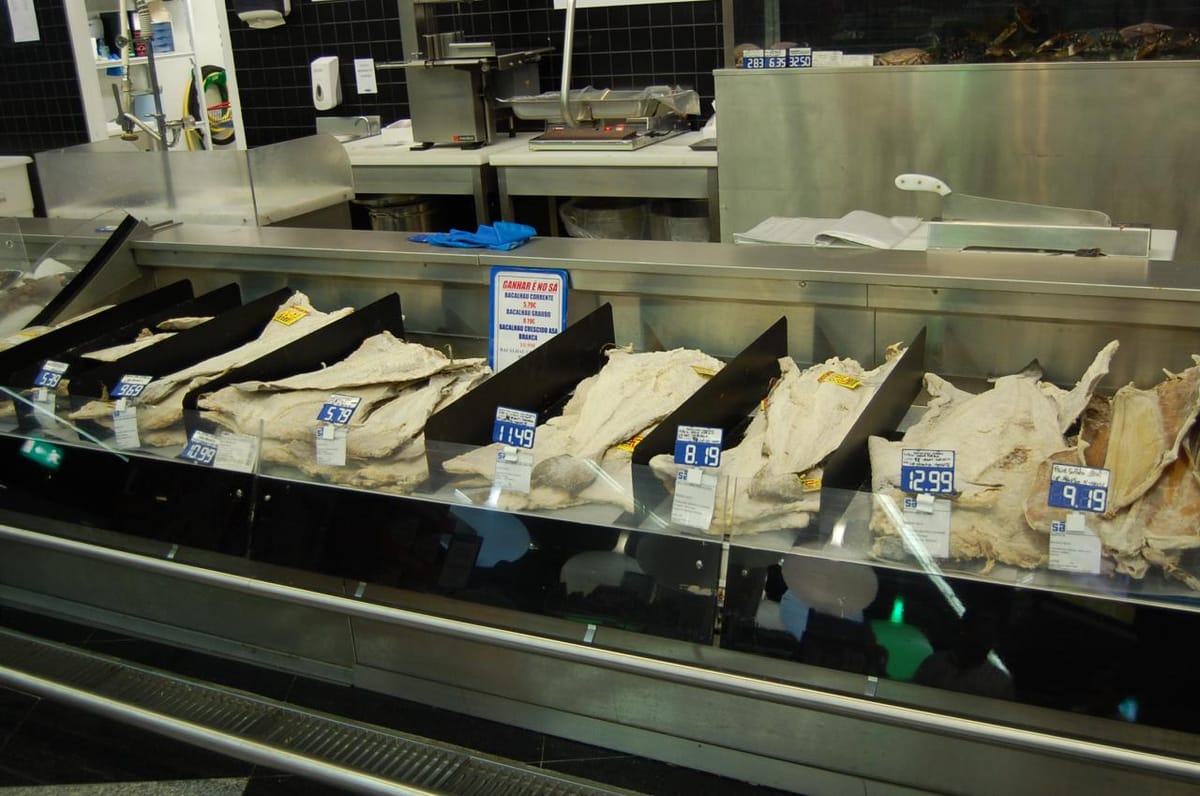
Portugal's food-and-economic-safety regulator wants shoppers to become its extra pairs of eyes at the supermarket shelf. In an appeal issued this weekend, ASAE (Autoridade de Segurança Alimentar e Económica) asked consumers to read the labels on what they buy and to report any errors or misleading claims they come across — part of a Europe-wide campaign to fold the public into the policing of the food chain.
“Consumers must be informed about what they are buying and be sure that the products are what they intend to consume, without being misled,” said Luís Filipe Lourenço, ASAE's inspector-general, framing accurate labelling as both a health matter and a question of fair trade.
The appeal is tied to Safe4eat, an awareness initiative now in its sixth edition that runs across 23 European countries and is coordinated by the European Food Safety Authority (Autoridade Europeia para a Segurança dos Alimentos, or EFSA). The campaign's purpose is to raise public awareness of food safety and to turn everyday shoppers into part of the oversight system — on the logic that a mislabelled allergen or an unfounded health claim is far more likely to be caught by the millions of people reading packaging than by inspectors alone.
This year's edition concentrates on the information printed on the pack. ASAE points consumers to check nutritional declarations and health claims, allergen labelling, the listing of food additives and flavourings, and the rules around so-called novel foods — ingredients newly authorised for sale in the European Union. The broader themes run from balanced diets and nutritional needs to the transparency of health claims, which under EU law must be backed by scientific evidence rather than marketing.
For the many foreign residents shopping in Portuguese supermarkets, the practical value is in knowing what the label is legally obliged to tell you. Pre-packaged food sold in Portugal must carry, among other things, a clear list of ingredients with allergens highlighted, a durability date — the “consumir até” (use by) date for perishable items or “consumir de preferência antes de” (best before) for the rest — storage conditions, the net quantity, and the name and address of the operator responsible for the product. Discrepancies between what the label promises and what the pack contains are exactly what ASAE is asking the public to flag.
The regulator did not, in this appeal, publish a dedicated hotline or web form for the campaign, saying instead that it is opening channels between the authorities and consumers through social media and other outreach. ASAE's general complaints channel, the Livro de Reclamações Eletrónico (electronic complaints book) and its own reporting routes remain the standard way to raise a formal concern about a product or an establishment.
The consumer-facing push sits alongside the more familiar, harder edge of ASAE's work. The same agency runs large enforcement sweeps — among them Operação Fake Zero, which seized nearly 74,800 counterfeit articles in the run-up to this year's football World Cup — and it has been folded into a wider overhaul of consumer protection, after the government created a new consumer-rights directorate earlier this year. Safe4eat is the softer, preventive side of the same coin: a bet that a better-informed shopper is the cheapest food inspector the state can field.