Portugal's Energy Regulator Will Reconfigure Six Million Electricity Meters and Simplify Time-of-Use Tariffs From 2027
From July 2027, energy regulator ERSE will reconfigure the meters of six million households on the flat tariff so they can see the savings of time-of-use pricing, while simplifying the bi-hourly and tri-hourly plans by scrapping most summer-winter schedule switches.
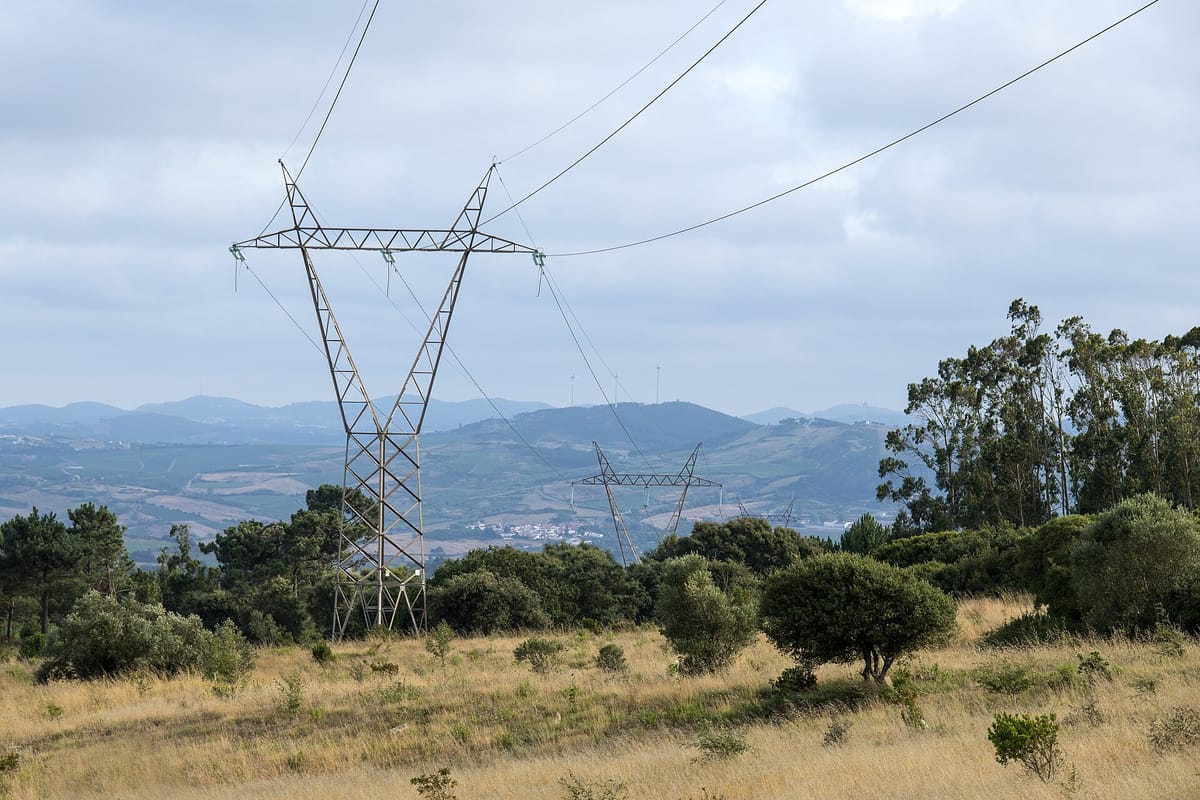
Portugal's energy regulator is preparing to reach into roughly six million homes and recalibrate the humble electricity meter, part of a plan to coax more households onto tariffs that charge different prices at different hours of the day. The Entidade Reguladora dos Serviços Energéticos (ERSE) has approved a calendar of changes to take effect from 1 July 2027, aimed at both simplifying the system for the minority who already pay by time of use and tempting the vast majority who do not.
The numbers describe a country still wedded to a single flat rate. Only about 500,000 residential customers — some 8% of the total — are on a bi-horária (two-period) or tri-horária (three-period) tariff, paying less at night or off-peak and more during the day. The other roughly six million, about 92%, remain on the tarifa simples, one price around the clock. ERSE wants to shrink that gap, and it is betting that most consumers stay on the flat rate not out of conviction but because they have never been shown, in concrete euros, what the alternative would cost them.
So the reform works from both ends. For the 8% already on time-of-use plans, ERSE intends to strip out much of the complexity — most notably scrapping, in the majority of cases, the seasonal switch between summer and winter schedules that trips up even attentive bill-readers. For the 92% on the flat tariff, the regulator plans to reconfigure their meters so the device itself can register consumption across the different time bands, making it possible to see whether shifting to a differentiated tariff would actually save money. The heavy lifting is feasible because the newer smart meters now installed in about 99% of Portuguese homes can be updated remotely, without a technician calling round.
The logic is part behavioural, part structural. Time-of-use pricing is a lever for flattening demand: if enough households run dishwashers, washing machines and — increasingly — electric-car chargers overnight, the grid leans less heavily on expensive daytime peaks, and Portugal's abundant off-peak wind and solar are put to better use. For the consumer, the appeal is simpler still. A household that already does most of its heavy consumption after dark may be quietly overpaying on the flat rate, and until now has had little easy way to find out.
For foreign residents, this is a rare piece of Portuguese bureaucracy that could land in your favour without any paperwork. The change is automatic; you will not need to request a new meter. What will pay off is attention. When the reconfigured readings arrive from mid-2027, it will be worth comparing your daytime and night-time usage against the tariff options your supplier offers — and remembering that switching plans, or suppliers, is free and can be done at any time. Anyone weighing a rooftop solar system or a home EV charger has particular reason to look, since both make time-differentiated pricing far more attractive.
None of this alters the wholesale cost of power, and ERSE has been careful to frame the exercise as one of transparency rather than a promise of lower bills. But in a market where inertia has kept nine in ten households on the simplest possible tariff, simply making the cheaper option visible may prove to be the most consequential change of all. The meters start talking in July 2027; the question is how many consumers will listen.