Portugal's Councils Want a One-Year Pause on the Rule That Makes Their Bills Overdue After 30 Days Instead of 90
Portugal's association of municipalities told parliament on 4 November that the new late-payment rules, which make a council bill overdue after 30 days instead of 90, should be suspended for all of 2027 so that smaller town halls can adapt.
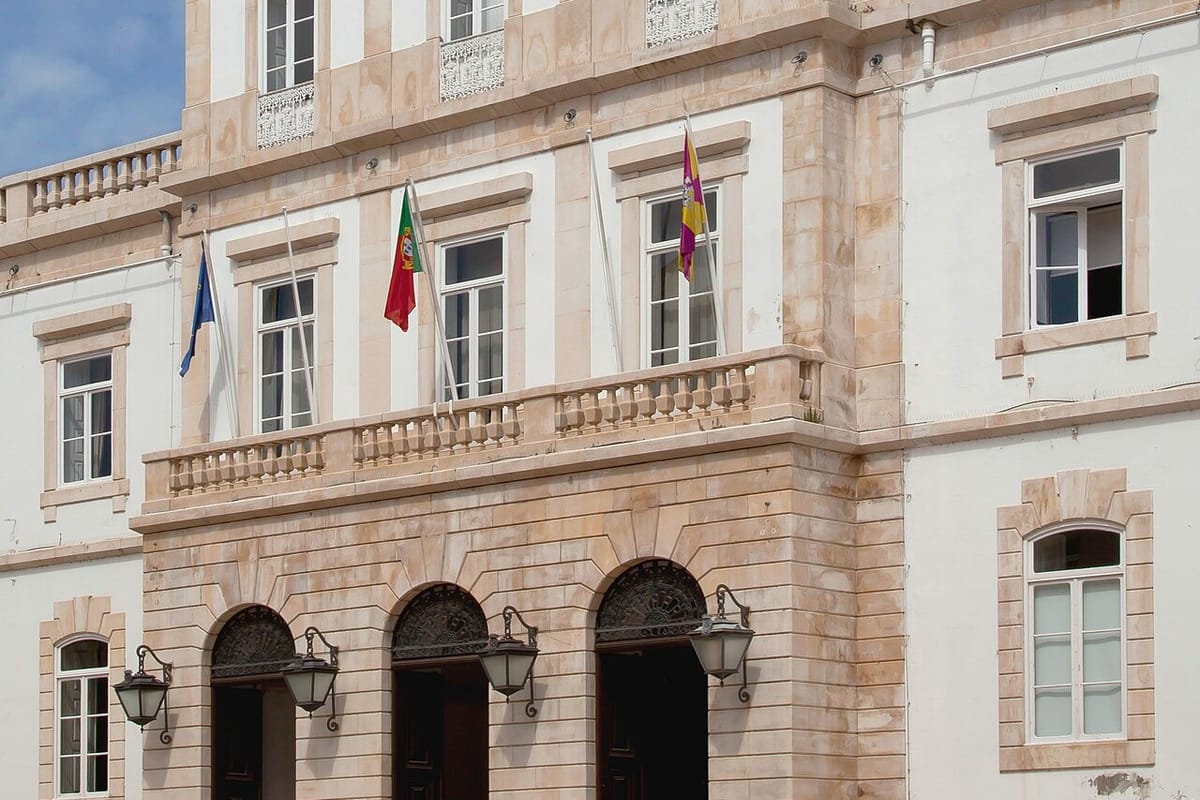
Portugal's municipalities want the new, stricter rules on paying their suppliers put on hold for all of 2027. The Associação Nacional de Municípios Portugueses (ANMP, the national association of municipalities) told parliament on Wednesday, 4 November, that the recent changes to the Lei dos Compromissos e dos Pagamentos em Atraso (LCPA, the law on spending commitments and late payments) should be suspended for one year, and asked MPs to write that pause into the 2027 State Budget.
"What we are arguing for is a one-year suspension of these legislative changes. Why? Precisely so that municipalities have the time and the capacity to adapt to the new obligations," ANMP president Pedro Pimpão, who is also mayor of Pombal, told the parliamentary hearing on the budget, according to Lusa as carried by Observador and ECO. "The law, as it stands, is not workable" for the day-to-day running of a town hall, he said.
What changed
Until this year, a public body's bill only counted as a late payment once it was more than 90 days past its due date. Lei n.º 24/2026, published in the Diário da República on 1 June, cut that to the 30 or 60 day limits set by the EU late payment directive (Directive 2011/7/EU). According to Lusa, the general rule is now 30 days from the invoice or the delivery of goods or services, and 60 days for public health providers. Once the limit passes, the supplier is owed statutory late-payment interest without having to ask for it.
The government then updated the regulation that applies the law, in Decreto-Lei n.º 180/2026 of 9 September, which took effect the next day. That matters because the original 2012 law says no public body may take on commitments beyond its available funds, and that its budget may never lead to an increase in late payments. With a shorter clock, bills turn into arrears much sooner.
Why the councils want time
The ANMP said on its own site that the pause was its main request to the parliamentary groups. Mr Pimpão stressed that Portugal's 308 municipalities differ widely in size. "Smaller municipalities, with fewer technical staff, also carry an added burden here," he said.
The association has opposed the change since it was drafted. In April, Mr Pimpão said the law should not be applied "blindly" to councils. At the same meeting the head of the Fundo de Apoio Municipal (FAM, the municipal support fund), Miguel Almeida, said councils had cut their late payments by 93 percent in ten years, from about 1,400 million euros to 50 million, according to Lusa.
The government says the change is meant to make the state pay faster: minister António Leitão Amaro said in February that it creates "incentives to pay commercial debts on time". No government reply to the ANMP's request had been reported by Wednesday afternoon.
What it means for residents
For anyone who runs a business supplying a town hall, from builders and caterers to cleaning firms, the new rules mean faster payment and automatic interest when the council is late. If MPs grant the pause, councils would get a year's grace on those 30 and 60 day limits. The ANMP also asked for the Fundo de Emergência Municipal (the municipal emergency fund) to cover 100 percent of storm damage.
Parliament has not yet voted on any change to the 2027 budget text, so for now the 30 day rule applies to council invoices.
Related: Parish councils threaten to close every service on 4 November over the 2027 budget and storm-hit councils and the municipal emergency fund.