Portugal Will Replicate Earthquakes at the 2026 Venice Biennale: Art Meets Seismic Memory
Portugal's pavilion at the 61st Venice Biennale, opening on 9 May 2026, will immerse visitors in the physical sensation of earthquakes. The installation represents a bold intersection of art, science, and historical memory, drawing on Portugal's...
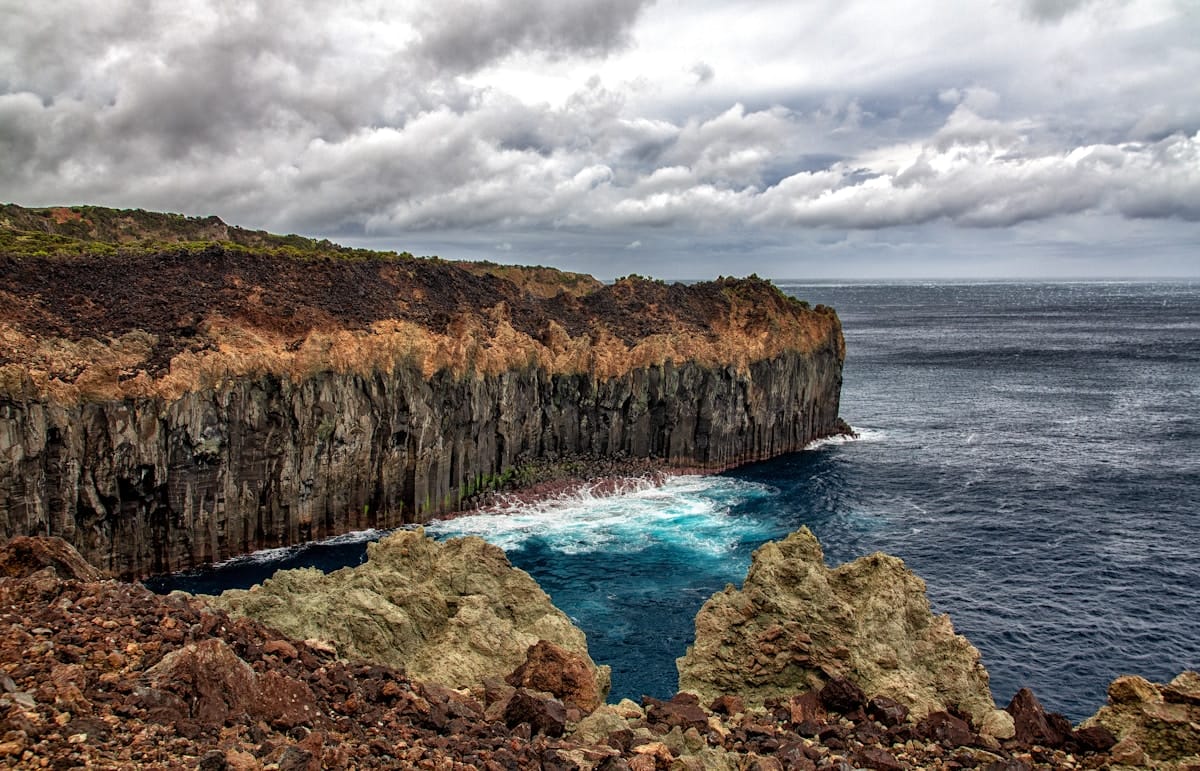
Portugal's pavilion at the 61st Venice Biennale, opening on 9 May 2026, will immerse visitors in the physical sensation of earthquakes. The installation represents a bold intersection of art, science, and historical memory, drawing on Portugal's long and often devastating relationship with seismic activity, from the catastrophic 1755 Lisbon earthquake to the ongoing monitoring of fault lines beneath the Tagus Valley and the Azores archipelago.
The Concept
Details of the Portuguese pavilion, announced this week, reveal an installation that will physically simulate the tremors of historical earthquakes within the exhibition space. Visitors will experience the ground moving beneath their feet, accompanied by sound, light, and material elements designed to evoke the disorientation and vulnerability of living in seismically active territory.
The project sits within the broader theme of the 2026 Biennale, titled "In Minor Keys" and curated by Koyo Kouoh. The exhibition, which runs until 22 November 2026, explores overlooked histories, peripheral voices, and the sensory dimensions of human experience. Portugal's earthquake installation fits naturally within this framework, translating geological forces into an embodied artistic encounter.
Why Earthquakes Matter to Portugal
Portugal's seismic history is not merely academic. The 1755 earthquake, followed by a tsunami and fires, destroyed much of Lisbon and killed an estimated 30,000 to 50,000 people. It was one of the deadliest natural disasters in European history and profoundly shaped Enlightenment philosophy, urban planning, and disaster preparedness. The Marquis of Pombal's reconstruction of downtown Lisbon, with its grid layout and early earthquake-resistant construction techniques, became a model for the emerging field of seismic engineering.
More recently, Portugal has invested heavily in seismic monitoring and building code enforcement. The country sits near the boundary between the African and Eurasian tectonic plates, and moderate earthquakes are not uncommon. The Azores, located on the Mid-Atlantic Ridge, experience regular seismic activity, with a significant earthquake striking Faial island in 1998 and causing widespread damage.
For the estimated one million foreign residents now living in Portugal, many of whom come from countries with little seismic activity, understanding earthquake risk is a practical concern. Building standards, emergency procedures, and insurance considerations all intersect with daily life in ways that may be unfamiliar to newcomers from northern Europe or the Americas.
Art and Science Together
The Venice pavilion represents a growing trend in Portuguese cultural production that bridges the arts and sciences. Portuguese universities and research institutions have developed significant expertise in seismology, and the country's national seismic network continuously monitors activity across the mainland and islands. By translating this scientific knowledge into an artistic experience, the pavilion aims to make seismic awareness visceral rather than abstract.
The approach also reflects Portugal's broader cultural strategy at international exhibitions. In recent Biennales, Portuguese pavilions have moved away from conventional gallery presentations toward immersive, experiential installations that engage visitors physically and emotionally. This strategy has earned critical attention and helped position Portugal as a country where contemporary art engages seriously with the material conditions of life.
Venice Biennale 2026
The 61st edition of the world's oldest and most prestigious contemporary art exhibition will feature national pavilions from dozens of countries, along with the central exhibition curated by Kouoh. This year's edition has already generated controversy over the inclusion of a Russian pavilion, with the European Commission threatening to withdraw EU funding over the decision. Nearly 200 participating artists have also called for the cancellation of the Israeli pavilion.
Portugal's earthquake installation offers a different kind of provocation: not political but existential. It asks visitors to reckon with forces beyond human control and to consider how societies remember, prepare for, and live alongside natural disaster. For a country that has spent nearly three centuries rebuilding from its most famous earthquake, the question remains urgently relevant.