Portugal Set All-Time Records for Heart and Lung Transplants in 2025
Portugal performed a record of around 70 heart transplants in 2025 — up from the previous high of 58 in 2024 — and lung transplantation also hit an all-time peak, IPST figures show. The records come from just four cardiac units, but waiting lists stay flat as organ supply, not surgical capacity, rem
Portugal ended 2025 with the busiest year its transplant surgeons have ever recorded for two of the hardest organs to replace. Both heart and lung transplantation reached all-time highs, according to figures from the Instituto Português do Sangue e da Transplantação (Portuguese Institute of Blood and Transplantation, or IPST) reported this week — a milestone in a system that already ranks among the best in the world per head of population.
Heart transplants led the way. Surgeons carried out roughly 70 in 2025, comfortably beating the 58 performed in 2024, which had itself been a record and the highest tally since the previous benchmark of 55 set back in 2014. Lung transplantation, historically the smaller and more fragile of the two programmes, likewise posted its strongest year on record. For a country of just over ten million people, those numbers place Portugal near the top of the international league tables.
A concentrated, high-output network
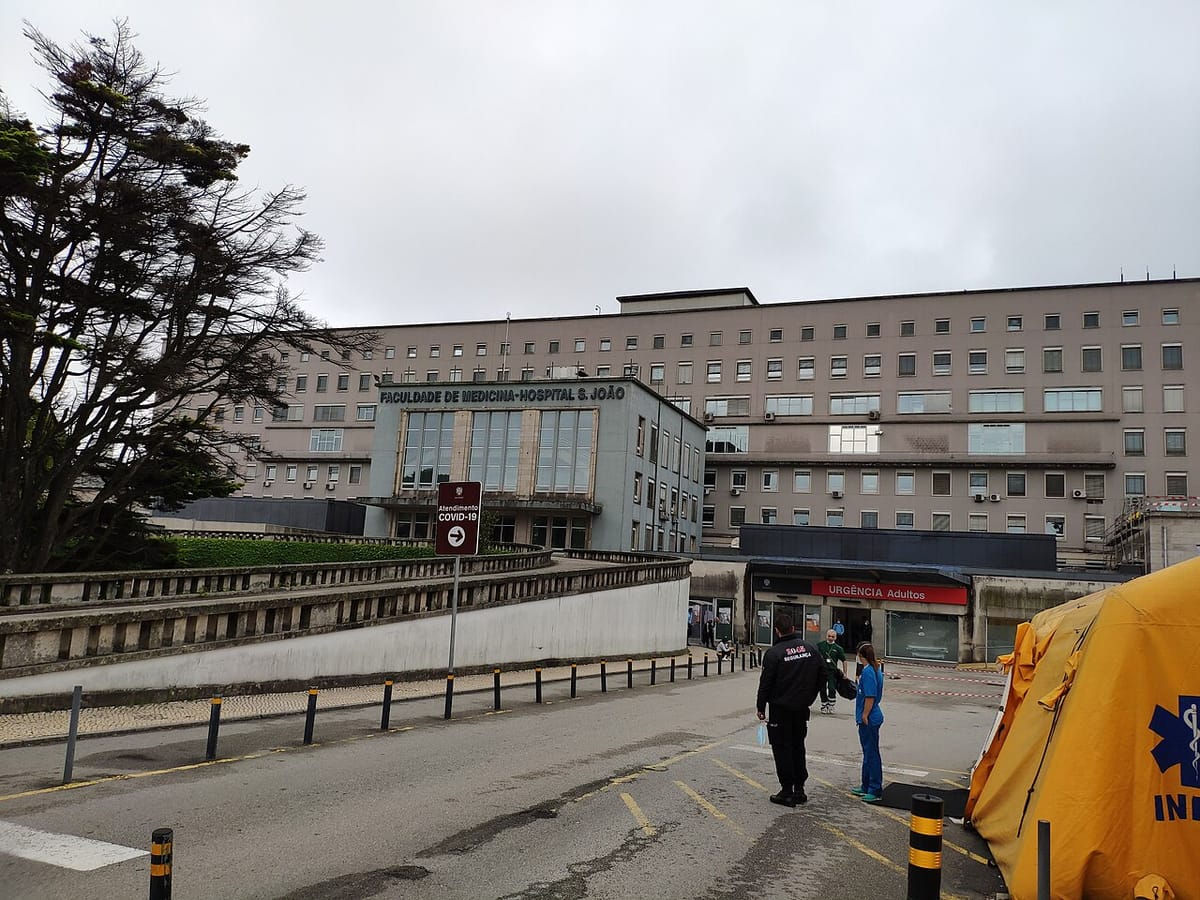
The output is remarkable given how few centres produce it. Heart transplants in Portugal are performed at just four units: the Hospital de São João in Porto, the Unidade Local de Saúde de Coimbra, and two Lisbon hospitals — the Hospital de Santa Cruz and the Hospital de Santa Marta. The lung programme is more concentrated still. That a network this small can set national records year after year points to teams operating close to the ceiling of what their capacity allows.
And capacity, not skill, is the binding constraint. Transplant coordinators have repeatedly made the same point: the surgical teams could do more if more organs were available. Portugal already benefits from an opt-out donation system, in which every resident is presumed a donor unless they register an objection, and the country has led the world in recent years for deceased donors in proportion to its population. Even so, the supply of viable organs remains the wall that every programme runs into.
The waiting list that won't shrink
That is why the 2025 records arrive alongside a persistent frustration. Waiting lists have stayed stubbornly flat even as transplant volumes climb, because demand rises in step with what medicine can now offer. Specialists have been pressing for a change in the law to allow organ retrieval from donors after circulatory death — patients whose hearts have stopped, rather than only those declared brain-dead — a shift they estimate could lift the pool of available organs by around 30%.
For the roughly 2,700 people waiting for cardiac surgery at the close of 2025, and the smaller cohorts listed for a new heart or lungs, the debate is not abstract. Every additional donor translates, quite literally, into someone stepping off the list.
The headline, though, is unambiguously good news for a public health service that has spent much of the past year in the headlines for strikes, closed maternity wards and summer staffing strains. In transplantation — one of the most demanding things a hospital system can be asked to do — Portugal is quietly setting the pace, and 2025 was its best year yet.