Portugal's 2025 Surplus Belongs to Social Security, While the Central State Ran a 5.8 Billion Euro Deficit and Expects 7.1 Billion This Year
INE's second deficit notification confirms a 0.7 percent of GDP surplus for 2025 and debt down to 89.2 percent. Social security banked 7.2 billion euros, the tax burden rose to 35.3 percent, and the Finance Ministry now sees a surplus of just 125.6 million in 2026.
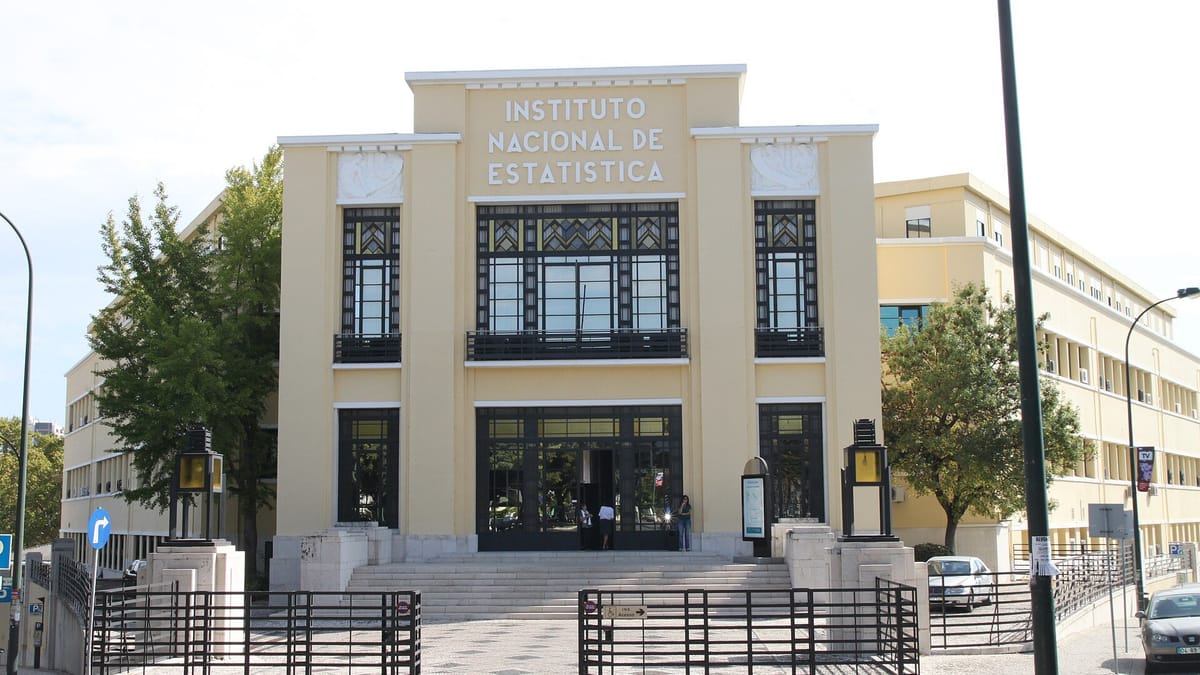
Portugal closed 2025 with a general government surplus of 2,045.4 million euros, or 0.7 percent of GDP, and public debt fell to 89.2 percent of GDP from 93.0 percent a year earlier. Those are the headline figures in the second Excessive Deficit Procedure notification of 2026, which INE, the national statistics institute, published on Wednesday and sends to Eurostat before the end of the month.
The headline hides a split. The surplus belongs almost entirely to the social security system. The central state ran a deficit, and a widening one.
Who is in surplus and who is not
INE breaks the balance down by subsector. In 2025 the Fundos de Segurança Social (social security funds) ran a surplus of 7,161.5 million euros, up from 6,035.0 million in 2024. Local and regional government added 665.8 million. The Administração Central (central government) posted a deficit of 5,781.9 million euros, against 4,189.4 million the year before.
Inside the local and regional figure, the municipalities were in surplus by 814.8 million and Madeira by 156.5 million. The Azores ran a deficit of 305.5 million euros, and the region's gross debt rose from 3,394.4 million to 3,797.8 million in a single year.
The notification also carries the Finance Ministry's forecast for 2026, taken from its annual progress report to Brussels. It pencils in a surplus of just 125.6 million euros, effectively zero percent of GDP. Social security is forecast at 6,576.4 million, and central government at a deficit of 7,129.2 million. Debt is projected at 87.5 percent of GDP.
Debt ratio down, debt up
The fall in the debt ratio comes from a growing economy, not from repayment. In euros, gross consolidated debt rose from 270,859.1 million at the end of 2024 to 275,075.1 million at the end of 2025, and the ministry expects 282,496.5 million at the end of this year. Nominal GDP grew 6.0 percent to 308.5 billion euros, fast enough to shrink the ratio even as the stock grew.
Where the money came from and went
Total revenue rose 6.3 percent to 132.7 billion euros. Social contributions grew fastest, at 8.1 percent, followed by taxes on production and imports at 6.9 percent and income and wealth taxes at 4.4 percent. Tax revenue as INE counts it for the tax burden, which includes social contributions, reached 108.8 billion euros, up 6.8 percent. That lifted the tax burden to 35.3 percent of GDP from 35.0 percent, level with 2023 and below the 35.9 percent peak of 2022 in INE's series since 2011.
Spending rose 6.5 percent to 130.6 billion euros. Public-sector pay grew 7.5 percent, which INE attributes to pay rises in health, teaching and the security forces. Social benefits other than in kind grew 5.7 percent, driven by pension increases, more pensioners, the extraordinary pension supplement of September 2025, parental benefits and the Complemento Solidário para Idosos (solidarity supplement for older people). Public investment rose 11.7 percent, pushed by the recovery fund.
Against the first notification in March, the 2025 surplus was revised down by only 13.2 million euros. INE warns that the health service figures it used are still not final. It also notes that CP, the state railway, has been reclassified out of the government sector from 2025 because its sales now cover at least half its production costs.
This year so far
INE's quarterly sector accounts, released the same morning, show the government surplus holding at 0.5 percent of GDP in the year to the second quarter of 2026. For the second quarter alone it was 1,325 million euros, 1.6 percent of GDP, against 1.7 percent a year earlier. Income and wealth tax receipts in that quarter were 3.6 percent lower than in the second quarter of 2025, while subsidies rose 53.6 percent. INE links the rise in subsidies to support paid after Storm Kristin.
Eurostat now has three weeks to assess the notification and publish its own figures. For a cash-basis view of this year's accounts, see our report on the surplus to July.
What this means for residents
- The margin for tax cuts is thin. The government's own 2026 forecast is a surplus of about 0.04 percent of GDP, so further cuts would have to be matched by savings elsewhere.
- Social security is carrying the accounts. Its 7.2 billion euro surplus is what keeps the headline positive, and social contributions rose 8.1 percent in 2025. A weaker labour market would show up here first.
- The tax burden rose, but it is not a record. At 35.3 percent it is where it stood in 2023.