Portugal Releases Oil Reserves as Fuel Prices Hit 2026 Highs
Portugal will release 10 percent of its strategic petroleum reserves as part of a historic international effort to contain oil prices driven skyward by the escalating conflict in the Middle East. The announcement came Wednesday as Brent crude surged...
Portugal will release 10 percent of its strategic petroleum reserves as part of a historic international effort to contain oil prices driven skyward by the escalating conflict in the Middle East. The announcement came Wednesday as Brent crude surged past $92 per barrel, its highest level since Russia's 2022 invasion of Ukraine.
Prime Minister Luís Montenegro confirmed Portugal's participation in the International Energy Agency's coordinated drawdown of 400 million barrels — the largest emergency release in the agency's history. "We are going to make available, in principle, 10% of our strategic reserves, so that there is more supply and greater containment of fuel prices. We are aligned," Montenegro told reporters. For broader context, see Galp's Berbigão / Sururu unitization approval and pre-sal portfolio read.
Pain at the Pump
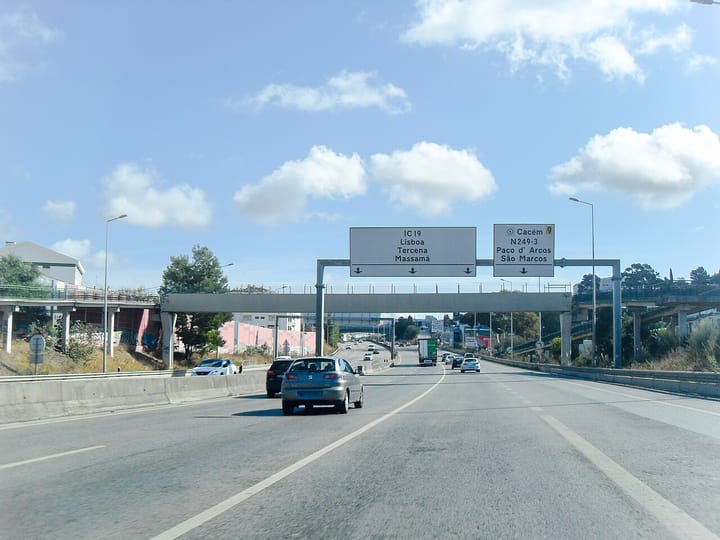
The global turmoil is already hitting Portuguese wallets hard. Diesel climbed to €1.834 per liter this week, while unleaded petrol reached €1.779. A typical 50-liter diesel tank now costs roughly €91.70 — about €10 more than just seven days ago. Portugal now ranks among the most expensive countries in Europe for fuel, trailing only Scandinavia and the Netherlands, and paying nearly €0.25 more per liter than neighboring Spain.
The government moved last week to soften the blow with an emergency ISP tax discount of €0.0355 per liter on diesel, though no equivalent relief was extended for petrol. The Finance Ministry has signalled that the discount could increase if prices continue climbing, with the measures described as cumulative.
A Delicate Balancing Act
Fitch analyst Utku Bora, speaking at a webinar on Portugal's economic outlook Wednesday, warned that the fuel crisis creates a "delicate balance" for the government. The agency projects a budget deficit of 0.8% of GDP for 2026, driven partly by emergency spending on storm damage recovery and partly by revenue losses from fuel tax relief. "There is a delicate balance and everything depends on the evolution of oil prices and the impact of the storms," Bora said.
The Strait of Hormuz, through which roughly 20 percent of the world's daily petroleum flows, has become a flashpoint as military escalations continue. Iran has declared vessels belonging to the United States, Israel, and their allies "legitimate targets" — a threat that sent shockwaves through energy markets. Even the IEA's record reserve release failed to calm traders, with oil prices continuing to climb after the announcement.
An Import-Dependent Nation
Portugal's vulnerability is structural. The country imports the overwhelming majority of its petroleum and maintains an energy dependency rate of 74 percent, among the highest in the European Union. The transport sector — lorries, cars, buses, and ferries — runs almost entirely on diesel and petrol. When global supply routes face disruption, Portugal has limited buffers.
For anyone commuting by car, running a business that depends on deliveries, or simply trying to manage a household budget, the coming weeks will test the limits of the government's capacity to shield consumers. Forecasters point to an additional €0.06 to €0.15 per liter swing starting March 17, depending on developments in the Middle East. The era of cheap fuel, if it ever truly arrived in Portugal, appears firmly over.