Portugal Puts Its Own Guarantee Behind 233.5 Million Euros of Building Work in Angola
A Portuguese bank lends, a Portuguese company builds and the Portuguese taxpayer covers 95 percent of the risk. The State charges 30.89 million euros for standing behind it.
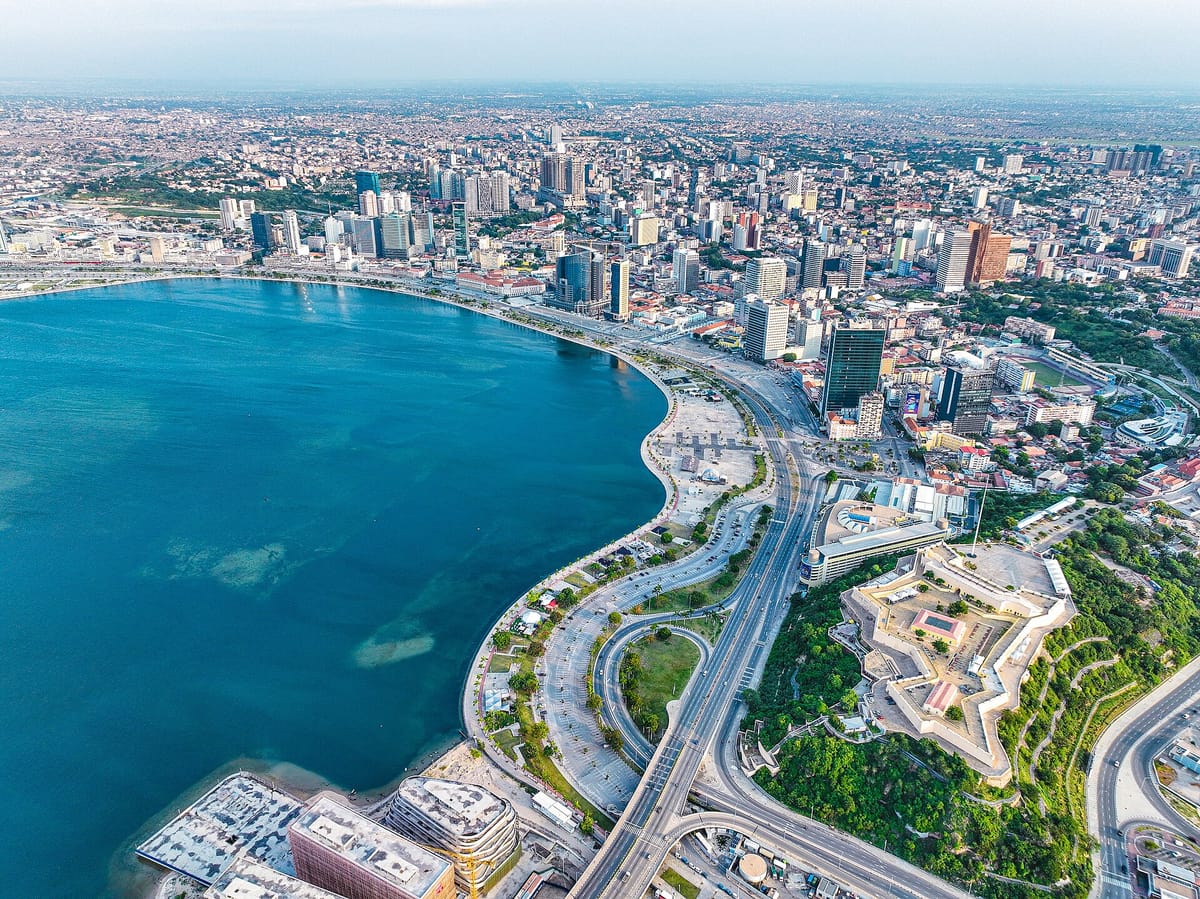
Two joint orders from the Finance and Economy ministries appeared in the Diário da República on Thursday, and together they put the Portuguese State behind 233.5 million euros of bank lending to Angola. The money pays for public works in that country, and the contracts belong to two Portuguese construction groups.
The guarantees cover 95 percent of each loan, which is the standard proportion for this instrument. They were granted under the Portugal to Angola convention, the bilateral credit line that has underwritten Portuguese construction work in the former colony for years, and they run for 17 years plus 120 days.
Luanda, and a road across two provinces
The larger of the two is the rehabilitation of the infrastructure of the Nova Vida housing development in Luanda: earthworks and paving, water supply, storm and waste drainage, and the remodelling and expansion of a wastewater treatment plant. The contract went to Mota-Engil Engenharia e Construções África, at an initial value of 228 million dollars. The financing to Angola comes from Caixa Geral de Depósitos and totals 208.39 million euros, over a term of 15 years.
The second covers 65.8 kilometres of the EN354 national road between Cuima and Cusse, which crosses the provinces of Huambo and Huíla. That work sits with AngolACA Construções, the Angolan arm of the Portuguese Grupo ACA, and is financed by Abanca Portugal to the tune of 25.14 million euros over 17 years.
What the State takes out of it
This is not a donation, and the paperwork is explicit about that. The Portuguese State will collect a guarantee commission of 30.89 million euros, an amount already built into the financing rather than billed separately. The Banco Português de Fomento, acting in its role as Portugal's export credit agency, takes a management fee equal to 3 percent of that guarantee commission.
The orders place the authorisation squarely within the machinery of official export credit support: instruments the State makes available to cover the credit risk attached to exporting Portuguese goods and services, and to back the internationalisation of Portuguese companies. In plainer terms, a Portuguese bank lends to a foreign state, a Portuguese company does the work, and the Portuguese taxpayer carries almost all of the risk that the loan is not repaid.
That risk is the reason these decisions are published rather than simply taken. Angola has been through debt restructuring conversations with its creditors more than once in the past decade, and the oil price that underpins its public finances has swung hard through 2026. Should either loan default, 95 percent of the outstanding balance becomes a claim on the Portuguese budget, set against the 30.89 million euros of commission the State has charged for standing behind it.