Portugal Prepares for the Biggest Solar Eclipse in 114 Years
On 12 August 2026, Portugal will witness the most significant total solar eclipse to cross the Iberian Peninsula in over a century. The last event of comparable magnitude visible from Europe occurred in 2006, and astronomers say the upcoming...
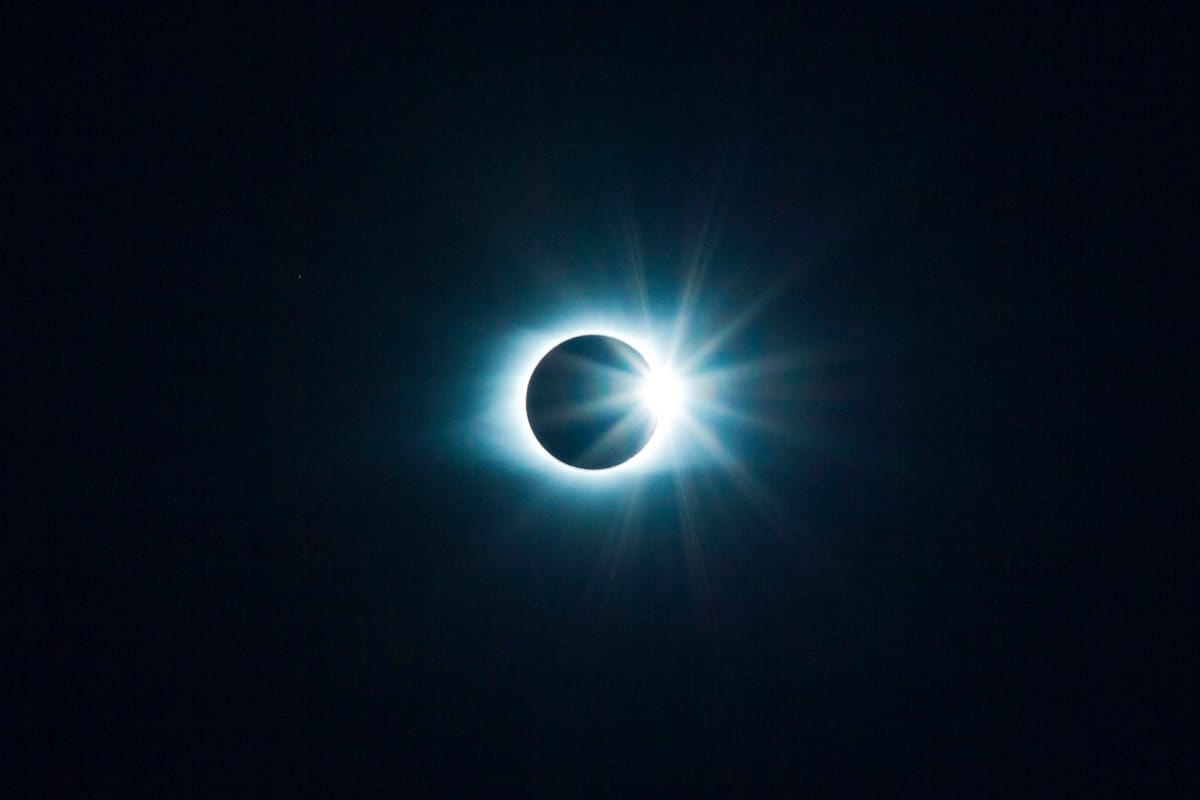
On 12 August 2026, Portugal will witness the most significant total solar eclipse to cross the Iberian Peninsula in over a century. The last event of comparable magnitude visible from Europe occurred in 2006, and astronomers say the upcoming spectacle will be the largest to touch Portuguese soil since 1912.
The path of totality — where the Moon completely obscures the Sun — will sweep across a narrow corridor in the northeast of the country, primarily through the district of Bragança. For those lucky enough to be positioned within that band, day will briefly turn to night for approximately 20 to 30 seconds around 7:30 p.m. local time.
Partial Eclipse Across the Country
While total darkness will be limited to the far northeast, the rest of Portugal will still experience a dramatic partial eclipse. In cities such as Lisbon and Porto, more than 90 percent of the Sun’s disc will be covered — enough to produce a noticeable drop in light and temperature, an eerie twilight that has historically stopped people in their tracks.
The phenomenon is already generating buzz among astronomy enthusiasts and tourism operators alike. Hotels in Bragança and the surrounding Trás-os-Montes region are expected to fill up quickly as eclipse chasers from around the world converge on the area.
What It Means for Tourism
Eclipse tourism is a well-documented economic driver. The 2024 total eclipse that crossed North America generated an estimated $1.5 billion in tourism spending along its path. While Portugal’s totality corridor is narrower and the duration shorter, the event arrives in peak summer and could provide a significant boost to a region that has long sought greater visibility on the tourism map.
Trás-os-Montes, known for its rugged landscapes, traditional villages, and acclaimed wines, has struggled to attract the visitor numbers enjoyed by the Algarve or Lisbon. An event of this magnitude could change the calculus, at least temporarily.
Preparing Safely
Authorities and scientific institutions are expected to launch public awareness campaigns in the coming months. Looking directly at a solar eclipse without certified protective eyewear can cause permanent retinal damage. Only during the brief seconds of totality is it safe to view the Sun with the naked eye — and only within the totality zone.
For residents and expatriates planning to watch from other parts of the country, certified solar eclipse glasses (ISO 12312-2 standard) will be essential. The Portuguese Environment Agency and local municipalities are expected to coordinate viewing events and safety guidance as August approaches.
Whether you are a lifelong astronomy enthusiast or simply curious about one of nature’s most powerful displays, the message is clear: mark 12 August on your calendar. Portugal has not seen anything like this in living memory, and it will not again for decades to come.