Portugal Prepares Energy Crisis Legislation as Middle East Conflict Escalates
Portugal's government confirmed on March 19, 2026, that it is preparing emergency legislation to address a potential energy crisis triggered by military escalation in the Middle East. The measures, which include price controls, supply rationing...
Portugal's government confirmed on March 19, 2026, that it is preparing emergency legislation to address a potential energy crisis triggered by military escalation in the Middle East. The measures, which include price controls, supply rationing powers, and consumer protections, are being drafted as precautionary frameworks even though current energy supplies to the EU remain stable.
Middle East Conflict Drives Energy Concerns
The legislative push follows intensified military operations involving the United States, Israel, and Iran, which have raised concerns about the security of the Strait of Hormuz—a maritime chokepoint through which 20% of the world's oil passes. While the European Commission has stated it has "no immediate concerns" regarding EU energy supplies, Portugal is moving proactively to prepare legal tools for crisis response.
Prime Minister Luís Montenegro indicated that "exceptional events may well lead to a 2026 deficit," acknowledging that storm damage costs earlier in the year combined with potential energy price shocks could push the national budget into the red despite Portugal's recent economic growth.
António Costa, President of the European Council and former Portuguese Prime Minister, offered "total solidarity" over Portugal's challenges, recognizing the country's exposure to both climate-driven storm damage and energy market volatility.
What the Emergency Legislation Includes
According to government sources, the draft legislation provides authorities with tools to manage energy supply disruptions and protect consumers from price gouging:
- Price controls: Temporary caps on retail fuel, natural gas, and electricity prices during declared energy emergencies
- Minimum supply guarantees: Legal protections ensuring vulnerable consumers (elderly, low-income households, essential workers) maintain access to heating and electricity even during rationing
- Rationing powers: Authority to allocate fuel and energy resources to priority sectors (healthcare, food distribution, emergency services) if supplies become constrained
- Commercial restrictions: Limits on non-essential energy use by businesses during crisis periods
Importantly, the legislation is not currently active—it exists in draft form to enable rapid implementation if the international situation deteriorates. The government emphasized that the legal frameworks are "already prepared for application in the current context" but have not yet been triggered.
Energy Prices Already Rising
Portugal has already felt the economic impact of Middle East tensions through rising fuel costs. The government announced parallel support measures on March 18, including:
- €25 subsidy for solidarity gas cylinders (up from previous levels) for vulnerable families
- 10-cent-per-liter diesel rebate for commercial transport operators, capped at 15,000 liters per vehicle over three months
- Maintenance of temporary fuel tax reductions implemented in previous months
These measures are designed to cushion households and businesses from price increases while the international situation remains volatile. However, they represent short-term interventions rather than structural solutions if energy costs remain elevated for extended periods.
Portugal's Energy Vulnerability
Portugal imports the majority of its energy, making it particularly exposed to global price shocks despite significant recent investments in renewable energy infrastructure. The country relies on:
- Natural gas imports: Primarily via pipeline from Spain and LNG terminals
- Oil imports: Refined petroleum products for transport and industry
- Electricity interconnections: Links with Spain for balancing renewable generation variability
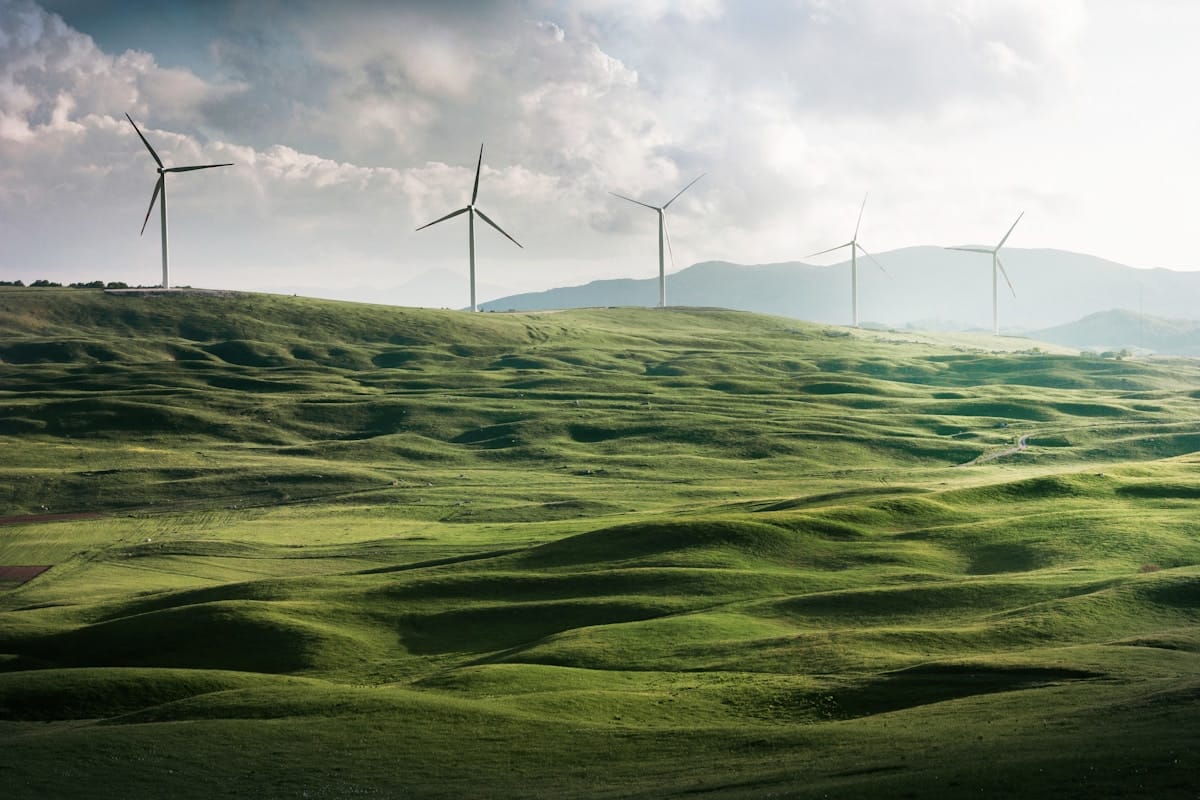
While Portugal has expanded solar and wind capacity aggressively in recent years, the energy transition has not yet eliminated dependence on fossil fuel imports for transportation, industrial processes, and backup power generation during periods of low renewable output.
The 2025 Iberian Peninsula blackout, caused by electrical system instabilities, highlighted infrastructure vulnerabilities that make energy security a politically sensitive issue ahead of potential supply disruptions.
What This Means for Expats
No immediate action required: The legislation is preparatory, not active. There are currently no energy rationing measures, price controls, or supply restrictions in effect. Normal energy consumption and travel can continue without changes.
Prepare for potential price increases: Even if the legislation is never activated, global energy markets are already showing volatility. Budget-conscious expats should consider reviewing household energy consumption and transportation costs. If you drive regularly, fuel prices may continue rising in coming weeks regardless of government intervention.
Vulnerable household protections: If you're registered with Portuguese social services as low-income or receive existing energy subsidies, the draft legislation includes specific protections guaranteeing minimum energy supply even during crisis periods. This means essential heating and electricity would continue even if rationing is implemented for other users.
Business continuity planning: Expat entrepreneurs and business owners should consider contingency plans for potential fuel or electricity restrictions. While unlikely in the near term, the government's acknowledgment of crisis scenarios suggests authorities see non-negligible risk. Businesses heavily dependent on fuel (logistics, tourism operators) or continuous electricity (data centers, refrigeration) may want to review backup options.
Monitor international developments: The Portuguese government's legislative preparation is a direct response to Middle East military escalation. If regional tensions ease, the energy crisis scenario becomes less likely. Conversely, further conflict—particularly disruptions to shipping through the Strait of Hormuz—could accelerate implementation timelines.
Renewable energy investments may accelerate: For expats considering home solar installations or electric vehicle purchases, Portugal's exposure to fossil fuel price shocks strengthens the long-term economic case for renewable energy. Government incentives for residential solar and EV adoption may become more generous if policymakers view energy independence as a strategic priority.
EU Coordination and Regional Response
Portugal's energy crisis planning is coordinated with EU-level frameworks for emergency response. The European Commission maintains strategic petroleum reserves and gas-sharing mechanisms designed to smooth supply shocks across member states.
Spain and Portugal share interconnected energy grids, meaning any crisis response would likely involve bilateral coordination to prevent cross-border arbitrage or supply imbalances. The countries' joint "Iberian exception" status on EU energy regulations (secured during previous crises) gives them additional flexibility for price interventions.
The government has pledged to "update the State's responses as necessary" as the international situation evolves, suggesting that the emergency legislation could be activated rapidly if conditions deteriorate or remain dormant indefinitely if the Middle East conflict de-escalates.
Background: See Brussels' CJEU referral on the RED III renewables-directive non-transposition. On the EDP / EDPR capital-allocation rail, our 19 May EDP read — the intra-group transfer of EDPR's 1.1 GW of Brazilian onshore wind and 0.7 GW of solar to EDP Brasil at roughly €700 million of equity and €1.5 billion of enterprise value, recycling capex into A-rated United States and European pipelines and lifting the share of EDPR EBITDA from A-rated jurisdictions above 95 percent sets the latest reference. For the household-side mechanics of the gas market, our 2026 Setting-Up-Natural-Gas practical guide — how the liberalised Mibgas retail market actually runs in Portugal, where the Floene distribution footprint reaches (and where it doesn't), the comercializadores shortlist, the 20-character CUI identifier, the escalão de consumo ladder (1 to 4), the Tarifa Social de Gás Natural, the dual-fuel bundling option with the electricity contract and the LPG-bottle alternative outside the network sets the latest reference. On the natural-gas tariff side of the file, our 1 June read on ERSE's proposed 6.4% lift to the regulated TUR natural-gas tariff effective 1 October 2026 — couple-only households at €17.38 a month and two-child families at €32.53, the Tarifa Social keeping the 31.2% discount at €7.19 and €13.68 respectively, Mid-East supply disruption driving the third above-6% step in five years and the historical Galp-Nigeria take-or-pay legacy still shaping the regulated portfolio sets the latest reference. On the household-energy, electricity-and-gas contract, potência contratada, mercado livre, tarifa social, supplier-switching and ERSE-comparator side of the file, our 2026 practical guide to setting up household electricity and gas in Portugal — the free market, contracted power in kVA, tariff schedules, the social tariff, switching suppliers and the new consumer protections sets the latest reference. On the gas-network, energy-infrastructure, ERSE-regulation and decarbonisation side of the file, our report on the gas distributors' €406.8 million network plan for 2027–2031 and GEOTA's stranded-asset warning sets the latest reference. On the state-ownership and energy-grid side of the file, the State's return to REN's capital looks at Portugal buying back into the national power network.