Portugal Opens Just EUR30 Million of a Promised EUR100 Million for Its Energy-Hungry Factories
Portugal has opened only EUR30 million - down from EUR50 million last year - of the EUR100 million promised to help energy-intensive factories with EU carbon costs passed through in their electricity bills, leaving Portuguese industry near the bottom of Europe's support league.
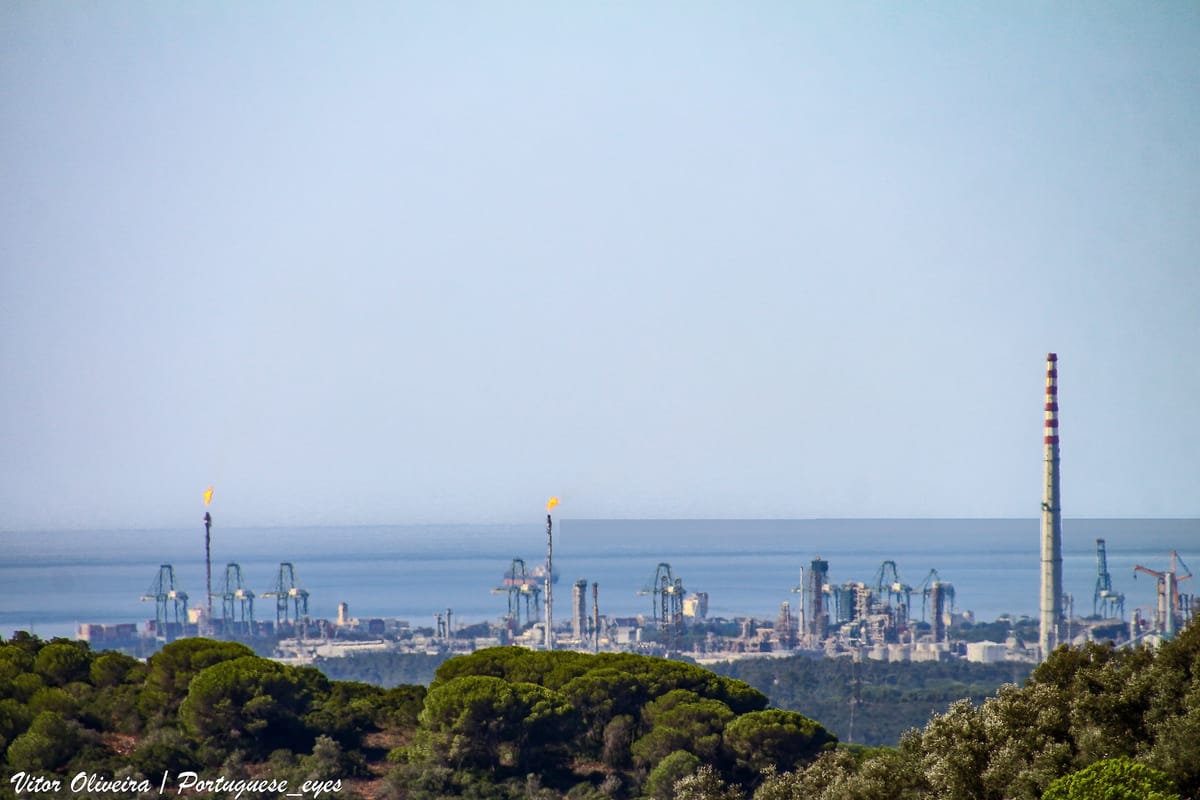
Portugal’s most energy-hungry factories were promised €100 million in help with their electricity bills this year. What the government has actually put on the table is €30 million — and even that is a cut on last year. The gap has drawn a public complaint from the industries in question and revived a long-running argument that Portugal supports its heavy industry far less generously than its European neighbours.
The money flows through a specific mechanism: compensation for the “indirect” carbon costs that show up in electricity prices. Under the European Union’s emissions-trading system, power generators pay for their CO2 permits and pass the cost through to the wholesale price, so heavy electricity users — steel, cement, paper, chemicals, glass and the like — end up paying for carbon they never emitted themselves. Brussels lets member states refund part of that hidden cost to stop energy-intensive plants relocating to countries with cheaper, dirtier power. Portugal’s scheme, run through the Fundo Ambiental (Environmental Fund), reimburses eligible firms for a slice of those costs.
€30 million, down from €50 million
On 10 July the Fundo Ambiental opened this year’s call, covering costs incurred in 2025, with applications due by 10 August. But the envelope was set at €30 million — a 40% cut from the €50 million made available a year earlier, and well short of the €100 million the Environment and Energy Minister had publicly committed to after the European Commission cleared the aid in September 2025. Because the pot is smaller than the eligible claims, the projected reimbursement rate falls to about 49.5% of eligible costs, down from 63.68% in 2025, even though revised EU guidelines — transposed into Portuguese law by Portaria 276/2026 in late June — actually widened the list of qualifying sectors and raised the maximum aid intensity.
The Associação Portuguesa dos Grandes Consumidores de Energia Elétrica (Portuguese Association of Large Electricity Consumers, or APIGCEE), which speaks for the plants that would draw on the fund, has appealed to the government to honour the €100 million figure it named. Its argument is competitiveness: firms making the same products in Spain, France or Germany get far more help with the same EU-created cost, leaving Portuguese sites at a structural disadvantage on the one input — electricity — they cannot do without.
Bottom of the European league
The numbers behind that complaint are stark. Measured per million euros of GDP, Portugal’s 2026 support works out at roughly €104, against about €376 in Spain — which has just earmarked €600 million for the same purpose — while France and Germany pay close to the maximum the EU allows, with German support estimated in the billions. Portugal has form here: its 2024 compensation, at around €25 million, was the lowest among the fifteen EU member states that operate the scheme at all.
For the government, the restraint is partly a budget choice at a time when it is guarding the public accounts, and partly a bet that the affected plants will keep operating regardless. For the industries, the worry is longer-term: decisions about where to invest, expand or wind down heavy production are made over years, and a country that consistently offers the thinnest cushion against EU carbon costs risks watching that investment drift elsewhere. The €30 million call closes on 10 August; whether the promised €100 million ever materialises will be a test of how much weight the government gives that argument.