Portugal Opens a 30-Day Public Consultation on Listing Bullfighting as National Intangible Heritage
The Cultural Heritage Institute has published a draft decision to inscribe the corrida in the national inventory, five years after aficionados asked. How to comment, what listing would mean, and who opposes it.
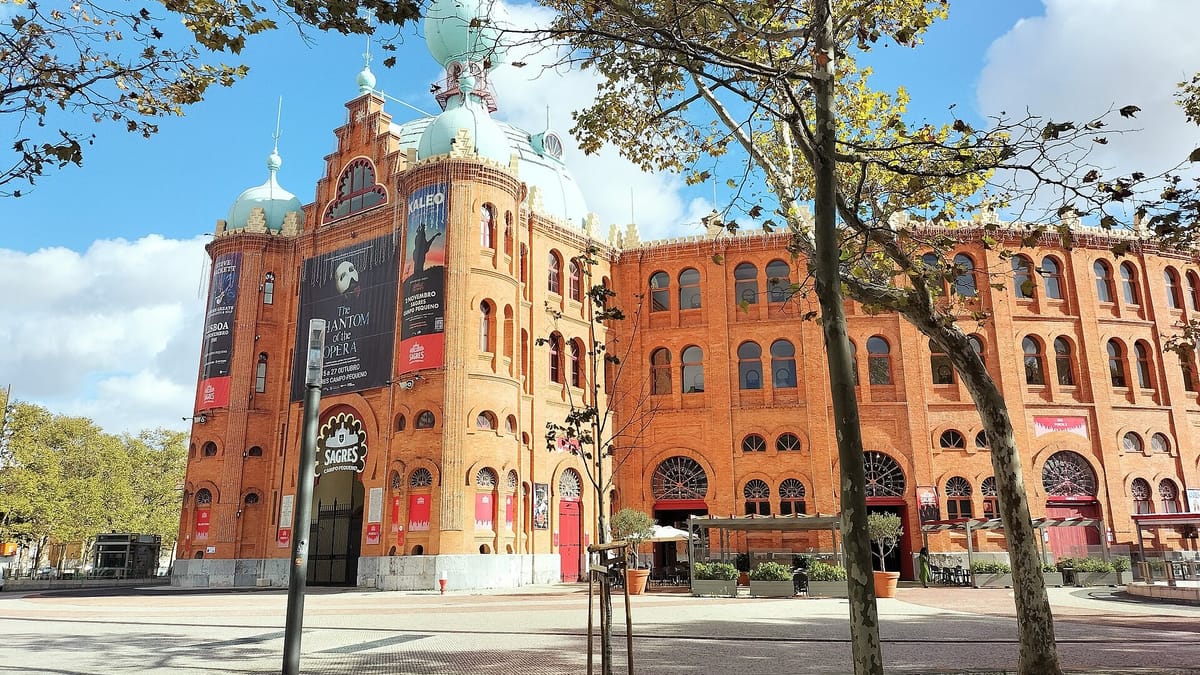
Portugal has opened a 30-day public consultation on whether to inscribe the "Corrida de Toiros em Portugal" (bullfighting in Portugal) in the national register of intangible cultural heritage. The notice, Anúncio n.º 278/2026, was published in the Diário da República (the official gazette) on Friday by Património Cultural, I.P. (the Cultural Heritage Institute), the public body that took over the work of the former Direção-Geral do Património Cultural (Directorate-General for Cultural Heritage).
The notice is signed by the institute's president, João Soalheiro, and dated 10 September. It describes the document under consultation as a draft decision to inscribe bullfighting in the Inventário Nacional do Património Cultural Imaterial (National Inventory of Intangible Cultural Heritage). Once the consultation closes, the institute has 120 days to decide.
How to take part
The case file can be read online on the institute's website, under Salvaguarda, Consultar, Consultas Públicas, 2026, or in person at the archive of its cadastre, inventory and classification division in the north wing of the Palácio Nacional da Ajuda in Lisbon. Comments go by email to [email protected], or by registered post to the same division at Palácio Nacional da Ajuda (Ala Norte), 1349-021 Lisboa.
The rules come from Decree-Law 139/2009, the law on safeguarding intangible heritage, as rewritten in 2015. It sets 30 days as the minimum and requires the decision to be published in the gazette.
A request more than five years old
According to Lusa, the request came more than five years ago from the Associação de Tertúlias Tauromáquicas de Portugal (Association of Portuguese Bullfighting Clubs). In 2022 the then Directorate-General asked it to improve the application. The entry on MatrizPCI, the public database behind the inventory, presents the corrida as the full expression of professional bullfighting, held in licensed bullrings that are inspected by the state.
The entry lists several forms, as quoted by Lusa. The Portuguese-style corrida features mounted bullfighters (cavaleiros) and the forcados, the unarmed teams who face the bull on foot. The corrida a pé uses only matadors, and the mixed corrida combines both. Novilhadas are events for young bullfighters who have not yet reached the top rank of their profession.
What inscription would and would not do
Inscription is a national listing, not a UNESCO one. The 2009 law makes it a precondition for any later bid to UNESCO's Representative List of the Intangible Cultural Heritage of Humanity, but it does not start such a bid. Each inscription must be reviewed every ten years. The preamble to the 2015 revision also states that only practices compatible with Portugal's human rights obligations, and with mutual respect between communities, count as intangible heritage for the purposes of the law.
A shrinking but stubborn audience
Lusa cites figures from INE (Instituto Nacional de Estatística, the national statistics institute) showing that close to 300,000 people attended bullfights in 2025, up from 244,000 the year before. The IGAC (Inspeção-Geral das Atividades Culturais, the cultural activities inspectorate) says 147 bullfighting events were licensed and held in 2025, in 63 councils. In its annual report the inspectorate says the number held steady on 2024 but that the longer-term trend is still downward.
The politics are divided. Lusa notes that the Bloco de Esquerda (Left Bloc) has again tabled a bill to bar children from working at or attending bullfights, after a failed attempt in 2021. PAN (People-Animals-Nature) went into the 2025 general election pledging to remove every bullfighting-related practice from the intangible heritage list, and both PAN and Livre called for bullfighting to be abolished.
Last month we reported on the campaign to take Caparica's beach-seine fishery toward UNESCO.