Portugal Moved the Deadline for Fruit and Vegetable Funding Programmes to 30 September, Four Days Before the Old One Fell
The seventh amendment to a 2023 ordinance concedes in its own preamble that a 15 September deadline landed in the middle of the harvest and had repeatedly needed extending. It took effect the day after publication.
Portugal's fruit and vegetable producer organisations had until Tuesday to file the operational programmes that decide their European funding for next year. On Friday, four days out, the government moved the date.
Portaria n.º 430/2026/1, published in the Diário da República (Official Gazette) on 11 September and in force since Saturday, shifts the filing deadline from 15 September to 30 September. It is the seventh amendment to Portaria n.º 54-F/2023, of 27 February, the ordinance that sets the national rules for the fruit and vegetable support scheme inside Portugal's Common Agricultural Policy strategic plan.
The change is two lines long. Article 27 now says operational programmes are filed by 30 September of the year before the programme starts, through the electronic form on the website of the DGADR (Direção-Geral de Agricultura e Desenvolvimento Rural, the Directorate-General for Agriculture and Rural Development). Article 33 moves the deadline for requests to amend a programme for the following year to the same date, keeps the limit of two such requests a year, and keeps the requirement that they be decided by 31 December of the year they are filed.
The preamble says the deadline was in the wrong place
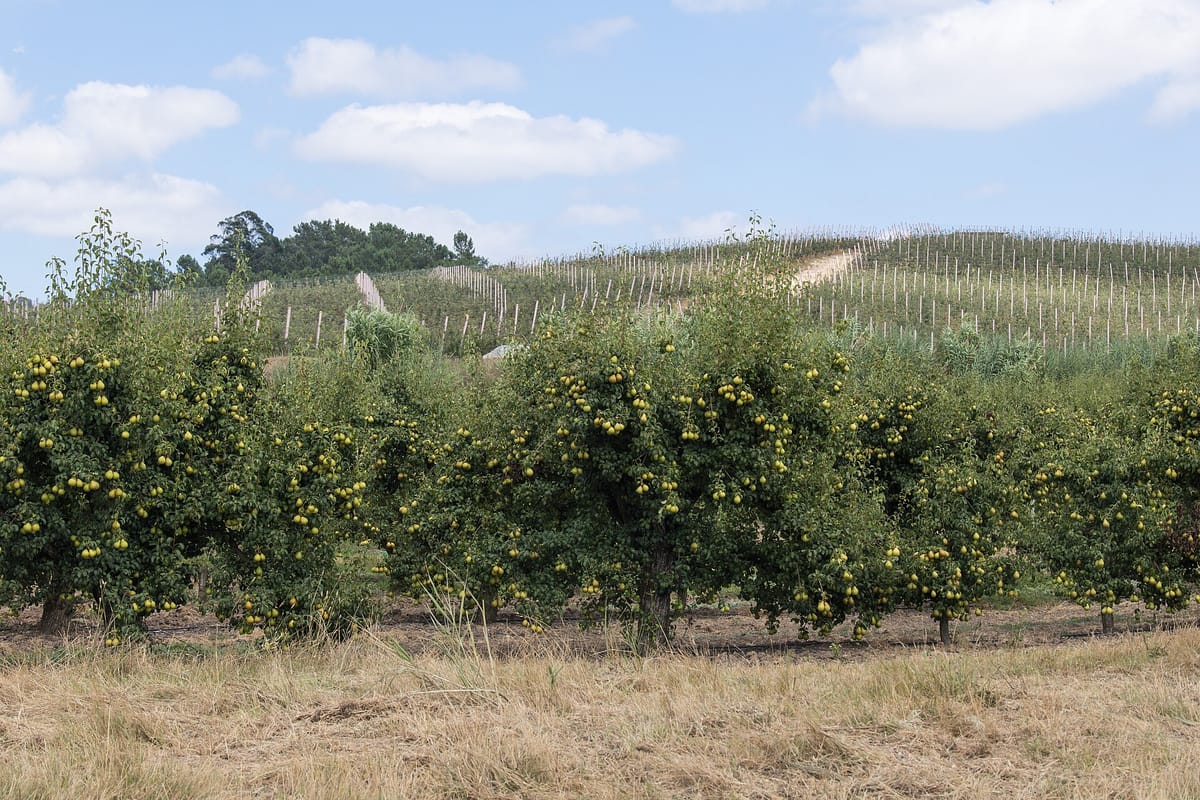
What makes the ordinance worth reading is that its preamble concedes the problem rather than dressing it up. The text states that practical application of the regime showed the legal deadlines "are out of step with the sector's operating reality, since they overlap with the peak harvest period of some of the main national fruit and vegetable crops."
It goes further. A deadline falling on 15 September, it says, concentrates "a complex and decisive strategic planning exercise for the future activity of producer organisations" in the middle of the period of greatest operational load in the field, "a fact that determined the need for extensions of the respective legal deadline."
That last clause is the admission. The government is not moving the date because someone noticed a scheduling clash this year. It is moving the date because the 15 September deadline has repeatedly had to be extended by ad hoc decision, and the ordinance now writes the extension into the rule instead of granting it again. The stated aim is to give producer organisations "the necessary operational flexibility" and levels of "clarity, proportionality and legal certainty".
What the scheme is
The rules amended here sit in domain B.1 of axis B of the PEPAC (Plano Estratégico da Política Agrícola Comum, the Common Agricultural Policy Strategic Plan) for Portugal, the national programme supporting the fruit and vegetable sector. The axis is the one Brussels labels the integrated sectoral approach, and it channels support through recognised producer organisations rather than to individual farmers.
An operational programme is the multi-year plan a producer organisation submits setting out what it intends to spend European money on, from grading lines and cold storage to crop planning and environmental measures. Approval of that plan is what unlocks the funding, which is why the filing date matters more to the sector than its bureaucratic appearance suggests. Miss it and the organisation waits a year. The government has shown elsewhere that it will move farm money earlier when it wants to, pulling direct payments forward into September this year.
The legal basis for the change is article 3 of Decreto-Lei n.º 12/2023, of 24 February, which gives the Minister for Agriculture the power to set the national complementary rules. The ordinance was signed by José Manuel Fernandes, Minister for Agriculture and the Sea, on 9 September, two days before publication.
A seventh amendment in three and a half years
Portaria n.º 54-F/2023 was published on 27 February 2023 and has been altered seven times since. The first two changes came in the same year, through Portaria n.º 228/2023, of 21 July, and Portaria n.º 291/2023, of 28 September. Portaria n.º 342/2023, of 9 November, set exceptional and temporary measures for operational programmes running in 2023 and their financial assistance. That was the year Brussels issued two delegated regulations derogating from the ordinary fruit and vegetable rules because of adverse weather events.
Seven amendments to one ordinance in three and a half years is a fair measure of how settled the rules are. For a producer organisation, the practical consequence is that the version of the ordinance to work from is the consolidated one, not the original text.
What this means for foreign residents
- If you belong to a recognised producer organisation, the date is now 30 September. That applies both to a new operational programme for next year and to a request to amend an existing one for next year.
- The amendment limit has not changed. Two requests a year during the execution period, decided by 31 December of the year they are submitted.
- The ordinance took effect on 12 September. It entered into force the day after publication, which means the new deadline applies to this year's filing round rather than to the next one.
- This does not reach individual growers. The scheme pays producer organisations, not farms, so the change matters to you only through whichever organisation markets your crop.
The wider point is a small one about how deadlines get set. A date fixed in an office in February 2023 landed, every year, on the week when the people it applied to were busiest. It took seven amendments and an unspecified number of extensions before the rule moved to fit the harvest rather than the other way round.