Portugal Makes the Large-Store Pay Scale Binding on 31 August, and 75,809 Retail Workers Are Currently Below It
Portaria 387/2026 extends the APED and SITESE collective agreement to every large retailer on the mainland, backdated to 1 April. The government's own study puts 69.6 percent of the 108,865 workers it reaches below the agreed rates, and 68.3 percent of those are women.
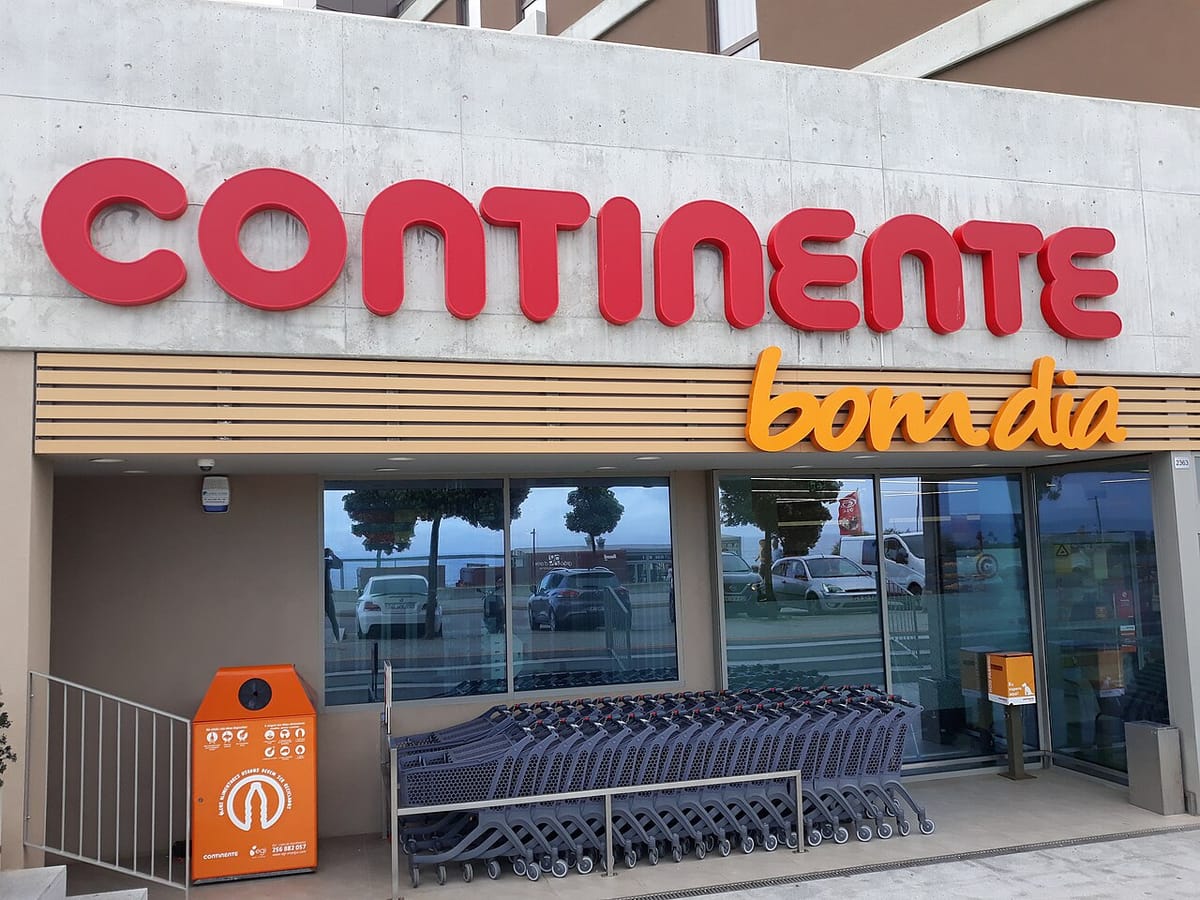
A ministerial order published in the Diário da República (Official Gazette) on Wednesday makes the large-store retail pay scale compulsory across mainland Portugal from 31 August, and the government's own impact study says 75,809 of the workers it reaches are currently paid less than the scale requires.
Portaria n.º 387/2026/1 is what Portuguese labour law calls a portaria de extensão, an extension order. Under Article 514 of the Código do Trabalho (Labour Code), the state can take a collective agreement that binds only the employers and unions who signed it and apply it to everyone else doing the same work in the same sector. In this case the agreement is the one between APED (Associação Portuguesa de Empresas de Distribuição, the Portuguese Association of Distribution Companies) and SITESE (Sindicato dos Trabalhadores do Setor de Serviços, the Services Sector Workers' Union), whose 2026 revisions were published in the Boletim do Trabalho e Emprego (Labour and Employment Bulletin) in April.
Who is covered
The extension reaches non-affiliated employers whose stores clear a size test: a continuous food sales area of at least 2,000 square metres, or at least 4,000 square metres for non-food, or membership of a company or group holding 15,000 square metres of food retail space nationally, or 25,000 square metres of non-food. In practice that is the supermarket and big-box layer of Portuguese retail, not the corner grocery.
The study the Labour Ministry commissioned, built from 2024 payroll returns, counted 108,865 full-time employees covered directly and indirectly, 65.1 percent of them women. Of those, 33,056 were already earning at or above the agreed rates. The remaining 75,809, just under seven in ten, were below them, and 68.3 percent of that group are women. Bringing them up adds 1.1 percent to the sector's total wage bill and 1.9 percent for the workers who actually see a rise.
The order enters into force on the fifth day after publication, which is 31 August. The wage table and the other cash clauses, though, take effect from 1 April 2026, so employers who have been paying under the scale since spring owe the difference.
Not everyone is in
The extension explicitly does not apply to workers affiliated to CESP (the commerce, office and services union), to the southern meat industry union, or to unions inside the FEPCES and FESAHT federations. FESAHT formally opposed the extension, arguing that its members' freedom of affiliation and its own bargaining autonomy should keep them outside a deal it did not sign.
Eight more sectors, same day
Retail was one of nine extension orders signed off by the Secretary of State for Labour, Adriano Rafael Sousa Moreira, and published together. The others cover insurance, where the Allianz-led agreement with STAS lifts the wage table by an average 3.03 percent and the meal allowance by 2.82 percent across 2,608 staff of whom only around a fifth pay union dues; driving schools, where 99 of 124 covered instructors are paid below scale and the wage bill rises 3.1 percent; leather tanning; freight forwarding; crisp and snack manufacturing; fruit and vegetable processing; and two orders covering the northern water utility Águas do Norte, which reach roughly 2,595 workers and carry a 5.6 percent average pay increase backdated to 1 January.
For anyone employed in Portugal, the mechanism is worth understanding: your pay floor can change through a document you never see, negotiated by parties you never joined. Portugal's wider Labour Code overhaul collapsed in parliament in June, but sector bargaining has carried on regardless, and wages grew 5.1 percent in the second quarter. SITESE, which signed this agreement, struck across APED member companies on 1 May to get there.