Portugal Gives Its Energy Directorate Until 11 December to Write Grid Rules for Data Centres, Citing the 2025 Blackout
A government order published on 10 November tells the DGEG to draft technical rules for data centres and hydrogen electrolysers connecting to the public grid, after the April 2025 blackout and a surge in connection requests. The proposal is due on 11 December.
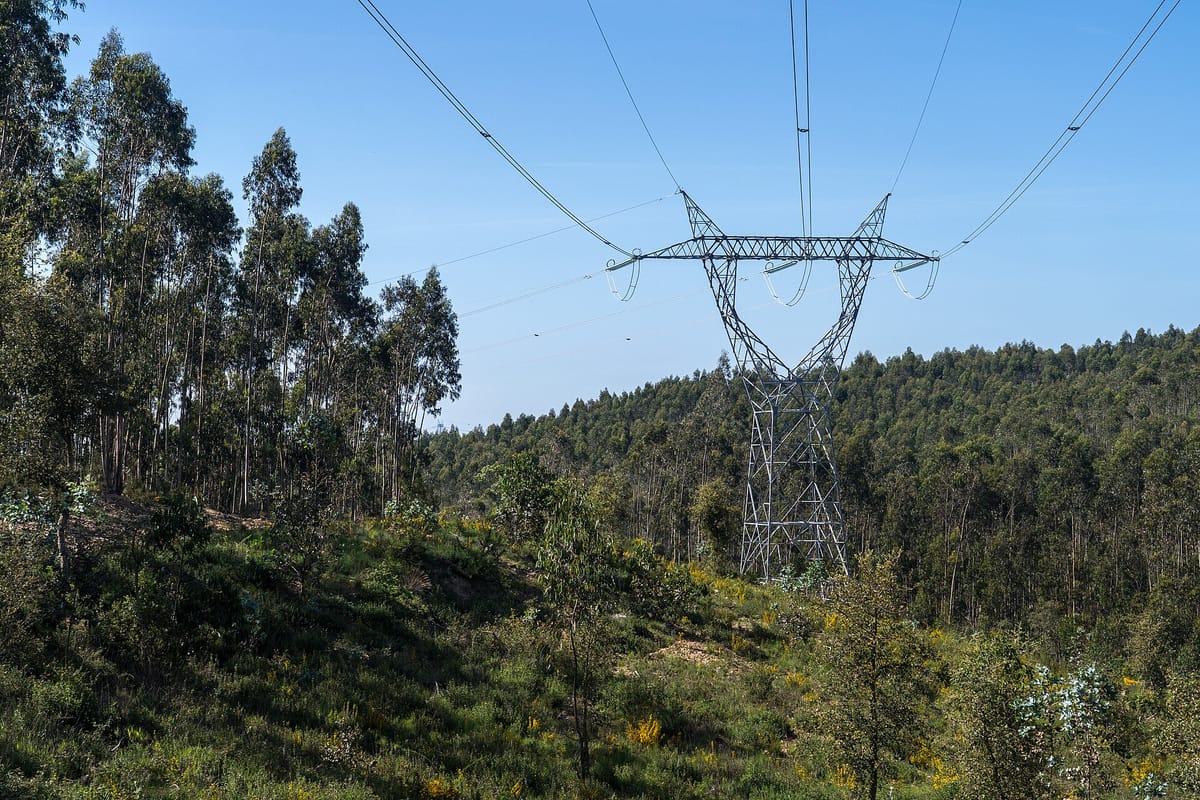
Portugal's energy directorate has until 11 December to draft the first technical rules for how data centres and other very large electricity users connect to the public grid. The government says the rules are needed to keep the system stable after the April 2025 blackout.
The order is Despacho n.º 13757/2026, published in the Diário da República (the official gazette) on 10 November. It was signed on 5 November by the Deputy Secretary of State for Energy, Jean Paulo Gil Barroca. It tells the Direção-Geral de Energia e Geologia (DGEG, the state's energy and geology directorate) to prepare technical requirements for "high-power consumer installations" on the public grid, "notably data centres and electrolysers". Electrolysers are the plants that make hydrogen from electricity.
Why now
The order gives two reasons. The first is the 28 April 2025 incident, when a failure in the Spanish system cut electricity across mainland Portugal. It cites the final report of the ENTSO-E expert panel (ENTSO-E is the European network of transmission system operators), published on 20 March 2026. That report found the blackout came from several factors acting together, including oscillations and gaps in the control of voltage and reactive power. The panel recommended that grid rules be updated as the power system changes.
The second reason is demand. The order notes a "significant increase" in requests to connect high-power installations linked to new investment projects. Neither Portuguese nor EU rules currently set specific technical requirements for them, and the government wants the requirements known before projects are designed and connected.
REN, the national transmission grid operator, told the government on 1 October 2026 that it had prepared a technical note setting minimum requirements for consumer installations on its grid, to apply until specific regulations are approved. It also identified further requirements on voltage control.
What happens next
- DGEG drafts the proposal with REN and with the operator of the distribution network.
- The rules must be "adequate and proportionate" to protecting the grid. They must also take account of the EU network codes for grid connection, which are being revised at European level.
- DGEG must consult the sectors affected, including Portugal DC (the Portuguese data centre association) and AP2H2 (the Portuguese association for hydrogen), and any other bodies it considers relevant.
- The proposal goes to the energy secretary of state by 11 December 2026. The rules will then go into the grid regulation (Regulamento das Redes), which is approved by ministerial order (portaria).
What it means for you
The order changes nothing for households yet and sets no new charges. It shows where the government sees risk: large new loads joining a grid that went dark in April 2025. It follows the minister's statement, which we reported on 2 November, that new data centres will need renewable power and must compete for grid connections: Data Centres in Portugal Face a Renewable Power Requirement in a Decree Due by Year End.