Portugal and Spain Switch On a €128 Million Power Link That Lifts Cross-Border Grid Capacity by 1,000 MW
Grid operators REN and Red Eléctrica switched on a new 400 kV line between Viana do Castelo and Pontevedra, a ~€128 million project that raises Portugal-Spain exchange capacity by about 1,000 MW to 4,200 MW inbound, adding 281 GWh of renewable integration a year.
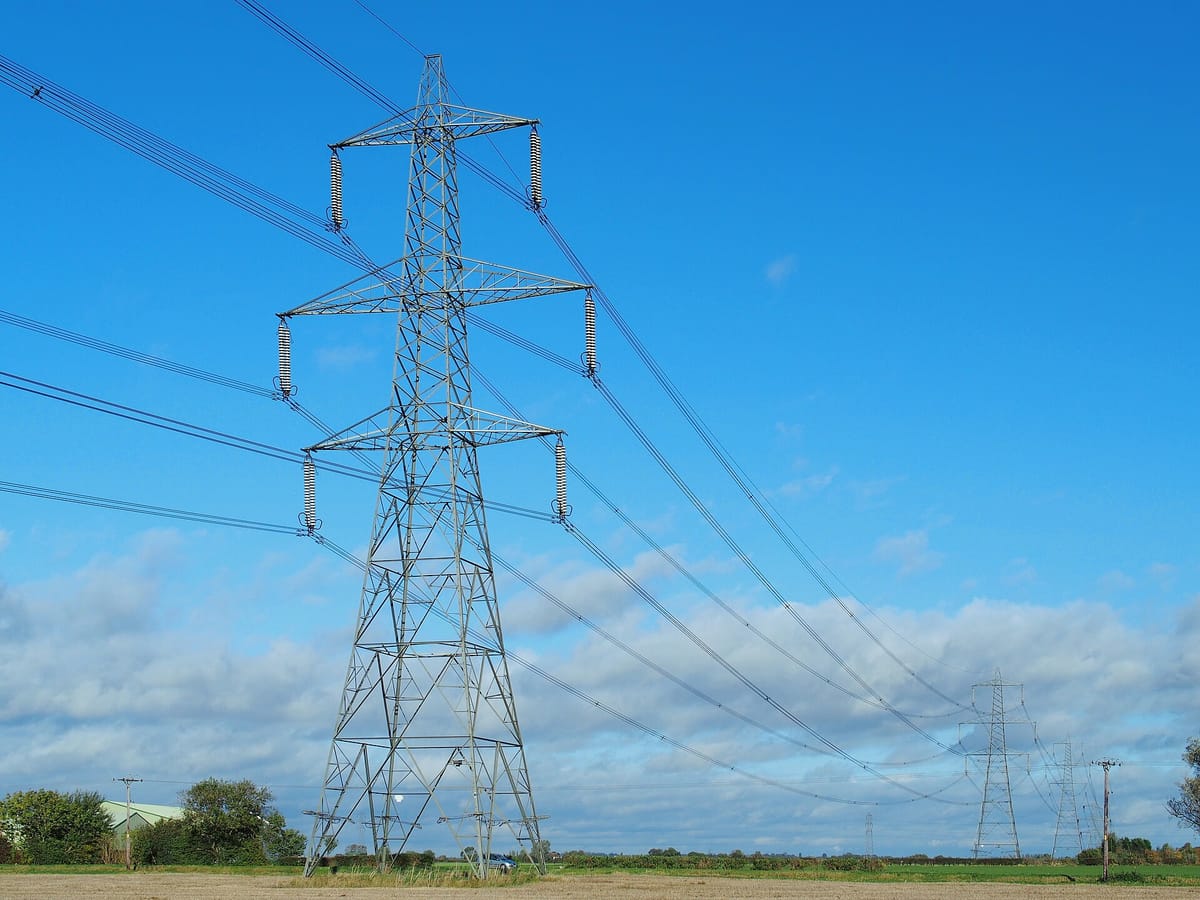
A new high-voltage line strung between the Minho and Galicia quietly went live this week, and it matters more than its low profile suggests. On Wednesday, grid operators REN of Portugal and Red Eléctrica of Spain switched on a 400-kilovolt interconnection linking Viana do Castelo to Pontevedra — a roughly €128 million project that raises the amount of electricity the two countries can trade across the border by about 1,000 megawatts.
With the line in service, cross-border capacity climbs to 4,200 MW in the direction of Spain-to-Portugal and 3,500 MW the other way. The Portuguese stretch runs some 68 kilometres from the frontier to a newly built substation at Ponte de Lima, and cost €70.3 million on this side — €44 million for the line itself and €26 million for the substation. Spain spent a further €57.6 million on its section.
Why a border cable is a national asset
Interconnections are the plumbing that lets a small country lean on its neighbours when the wind drops or the sun sets, and export surplus power when renewables are running hot. REN estimates the new link will allow an extra 281 gigawatt-hours of renewable energy to be integrated each year and cut carbon dioxide emissions by around 113,000 tonnes annually, by displacing the fossil-fired plants that would otherwise fill the gaps.
That flexibility underpins one of Portugal's genuine advantages: a grid where renewables now cover more than three-quarters of demand and wholesale prices sit among Europe's lowest. The more capacity there is to move that cheap, clean power around, the less often it has to be curtailed and wasted.
“This is one more decisive step to strengthen energy security and allow greater integration of renewables,” said Maria da Graça Carvalho, Portugal's Minister for the Environment and Energy, at the inauguration in the Spanish municipality of Arbo.
The bottleneck still lies to the north
The uncomfortable truth behind the celebration is that the Iberian Peninsula remains an “energy island” — well connected internally but only thinly wired to the rest of the continent. The choke point is the Pyrenees: the flow between Spain and France is still far below the 15% interconnection target the European Union sets for member states.
- Grid resilience: stronger Iberian links help both countries ride out shortfalls, a lesson sharpened by the peninsula-wide blackout earlier this year.
- Cheaper power, more often: extra capacity reduces the moments when Portugal has to spill surplus renewable generation it cannot sell or store.
- France is the prize: officials at the launch pressed again for faster progress on the cross-Pyrenean connections that would finally plug Iberia into the wider European market.
For households and businesses, the payoff from a substation in Ponte de Lima is indirect but tangible: a grid that is harder to knock over and better able to keep Portugal's low electricity prices low. The next, larger fight is over the wires that would carry all that cheap Iberian power north into France — and that one is still unresolved. On Portugal's interconnection file, our report on the Portugal to Morocco power cable, which the environment minister now says will only be built with private or European money, and which she justifies by the need to restart the grid alone after a blackout sets the latest reference. Update: ERSE's annual report shows the blackout cost each customer about 10 hours without power in 2025 while automatic compensation for other long power cuts doubled to 2.1 million euros.