Porto's Metro Re-Tenders Its Operating Contract at €690 Million as Four New Lines Join the Network
A Council of Ministers resolution authorises €689.63 million over eight years for the new Metro do Porto subconcession — 59% above the current ViaPorto contract — as the network grows from six lines to ten with Rosa, Rubi, Gondomar and Trofa.
Running Porto’s metro is about to become a much bigger job — and a much more expensive contract. The government has launched a new tender for the subconcession of the Metro do Porto network, with authorised spending of €689.63 million over eight years, according to a Council of Ministers resolution published Thursday in the Diário da República (Official Gazette). That is 59% above the €435.14 million of the current contract, and the executive’s justification is straightforward: the operator will run ten lines instead of six.
The current subconcession, held by ViaPorto — a company of the Barraqueiro group — expires in March 2027. The contract entered into force in 2018 with an initial seven-year term to 31 March 2025, and was extended in 2025 within the contractual limit of two additional years. With that road running out, the government approved the launch of the new competition last week; the resolution setting out the financial envelope, expressed at current prices and excluding VAT, followed this week.
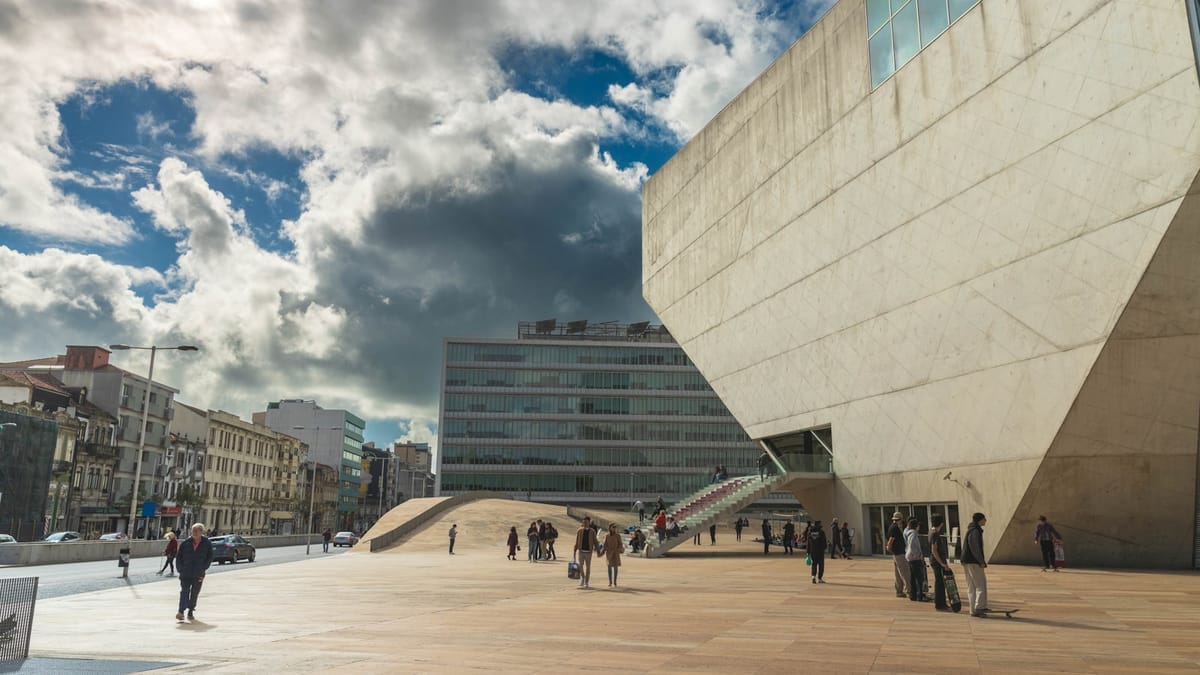
The €254 million jump in the envelope reflects a network in the middle of its largest expansion since it opened. The new subconcession will take in the Linha Rosa (Pink Line), connecting São Bento to Casa da Música and linking six existing lines, which is expected to enter service by the end of the first quarter of 2027 — almost exactly when the new operator takes over. It will also cover the Linha Rubi (Ruby Line) from Casa da Música to Santo Ovídio across the Douro, along with the future Gondomar and Trofa lines, both pencilled in to begin operating in 2031.
“The estimate of multi-annual charges inherent to the new subconcession contract foresees an increase in expenditure for 2027 and following years, [but] this results, to a large extent, from the entry into operation of the new Rosa and Rubi lines, and of the Gondomar and Trofa lines,” the resolution states. The government also argues the expansion will partly pay for itself: the investment in new infrastructure, much of it financed through the Plano de Recuperação e Resiliência (Recovery and Resilience Plan), should produce “a substantial increase in demand and, consequently, an expressive increase in the operation’s own revenues”, mitigating the burden on public accounts.
Not all of the expansion has gone to plan. The Rubi line was pulled out of the PRR in the May 2026 reprogramming after a 22-month slippage, with its funding shifted to national sources; the original schedule had pointed to completion in July 2028.
The numbers underline why the state keeps doubling down on the system. Metro do Porto today operates six lines, 85 stations and roughly 70 kilometres of network, and recorded 94.54 million ticket validations in 2025, a 5.4% increase on 2024. If the Rosa, Rubi, Gondomar and Trofa lines arrive as scheduled, the metropolitan area of Porto will close the decade with a metro network two-thirds larger than the one it has now — operated under a contract whose price tag, the government is betting, growing ridership will help justify. On the Porto transport file, our report on Porto's mayor setting a 31 December limit for the second phase of the metrobus and naming the contractor as the reason the works on Avenida da Boavista are running late sets the latest reference. Update: on 6 October 2026, a test train ran the whole of the Pink Line for the first time with passenger service expected by the end of March 2027.