Porto Court Acquits Douro Azul Owner Mário Ferreira of Tax Fraud Over the Atlântida Ship Sale Through Malta
Judges at the São João Novo court found the tax-fraud charge unproven and cleared Mário Ferreira and two of his companies over the 2015 sale of the Atlântida via a Maltese company. What the prosecution alleged, what the defence argued, and what comes next.
A Porto court has acquitted the businessman Mário Ferreira of qualified tax fraud over the sale of the ship Atlântida through a company in Malta in 2015. Reading its ruling on Thursday afternoon at the Tribunal de São João Novo (São João Novo Court), the panel of judges found that neither the objective nor the subjective elements of the crime had been proven, and acquitted him and the companies charged with him, according to Lusa, as reported by RTP and Observador.
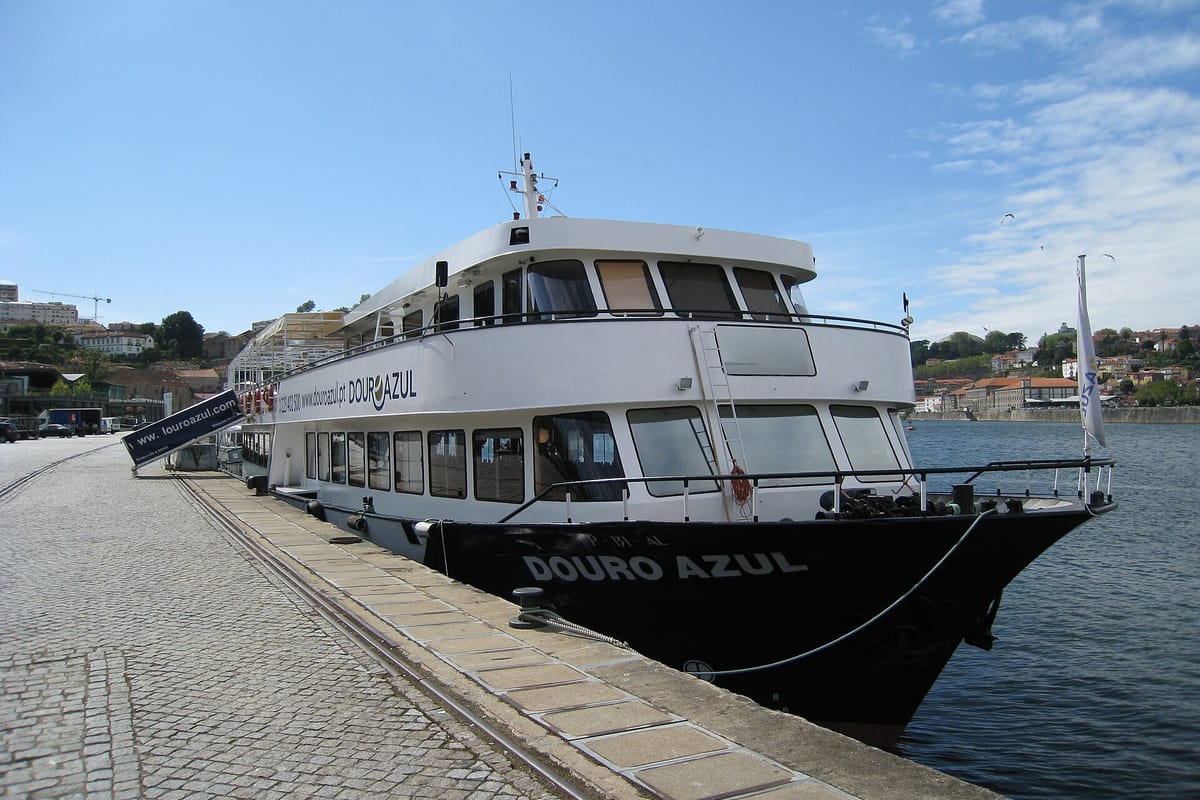
Ferreira owns Mystic Invest, the holding company behind the Douro river cruise operator Douro Azul, and also owns the TVI television channel. Two of his companies, Mystic Cruises and Valens Private Equity, were tried alongside him. In its closing arguments, the Ministério Público (Public Prosecution Service) had asked for all three to be convicted, as we reported at the time.
What the case was about
Mystic Cruises bought the Atlântida from the Viana do Castelo shipyards for 8.75 million euros in September 2014. In June 2015 it sold the ship for 11 million euros to International Trade Winds (ITW), a company set up in Malta and run by Ferreira, which then sold it on to the Norwegian operator Hurtigruten for 17 million euros, according to the prosecution's case as summarised by Lusa.
The prosecution argued that the sale to the Maltese company was "simulated", to move the profit to Malta, and that the ship had been sold "significantly" below its market value, pointing to an earlier valuation of more than 26.6 million euros. It said the resulting gain of 3.7 million euros was not declared in time, giving Ferreira an improper advantage of about one million euros in IRS (personal income tax). The prosecution had also sought about 110,000 euros in civil compensation, according to Público.
The defence's case
When the trial opened on 19 March, Ferreira denied any crime. He said the case concerned a "potential delay in IRS that has been settled", according to Lusa. He told the court he had used Malta for commercial and operational reasons and said he had already paid all the tax due before he was charged. His lawyer, Rui Patrício, argued that there had been no tax motive and that the question was one of timing, according to Público.
In May, Miguel Reis, a lawyer who took part in the sale and was called as a prosecution witness, told the court that the move to the Maltese flag was not about tax. He said it made certification and crew hiring easier and that Ferreira had been declared as the Maltese company's beneficial owner from the start, according to Público.
What happens next
The ruling is a first-instance decision. The prosecution can still appeal to a higher court, and Lusa's report did not say whether it intends to. The full text of the judgment has not been published, so the court's detailed reasoning is not yet known.