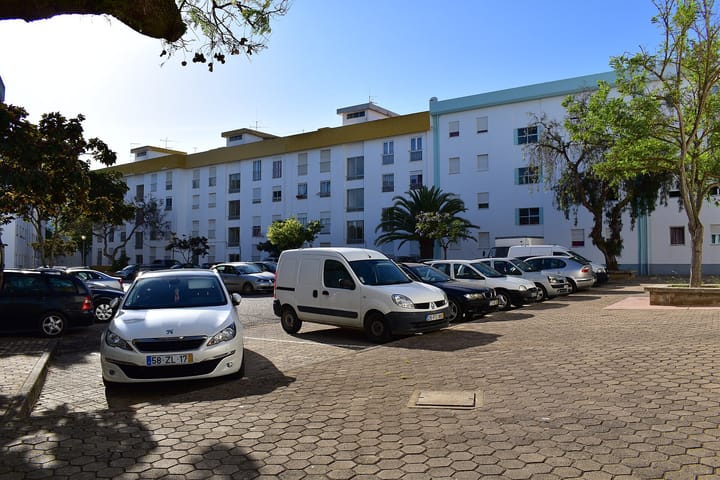
Police Remove the Housing Protest Camps From Lisbon's Rossio and Porto's Praça D. João I at Dawn, Detaining Several People in Lisbon
Riot police broke a human chain and removed the Rossio tents shortly before 06:00 on Tuesday, making several arrests; in Porto the campers took their own tents down. Both groups say they will return. Why police acted now, and what comes next.
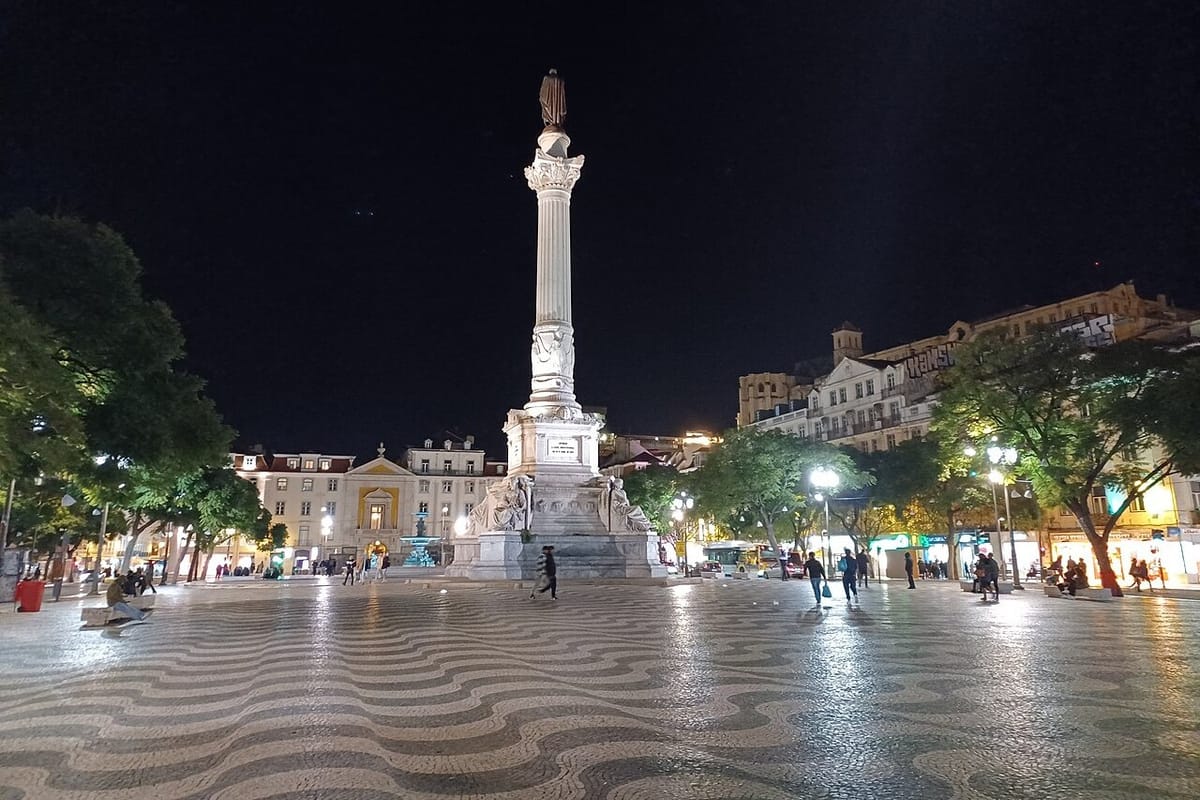
The PSP cleared the housing protest camps on Lisbon's Rossio and on Porto's Praça D. João I shortly before 06:00 on Tuesday 20 October. In Lisbon, riot police broke a human chain, removed the tents and made several arrests after protesters refused three warnings to leave. In Porto, the campers took down their own tents under threat of an intervention, and the square was cleared without clashes.
Police vans reached both squares at about the same time and gave the protesters five to ten minutes to dismantle, Euronews reported. On the Rossio, Observador's live coverage counted more than 50 officers of the PSP's Special Police Unit ready to move in. When the third warning (announced as the last) went unheeded, officers broke the chain and began taking down tents. Some protesters threw objects at the police, who used batons. Within about 20 minutes almost everyone had been pushed out of the square, along with journalists and passers-by, and the police then blocked the streets back from Praça da Figueira.
No official count of arrests had been published by early morning. RTP, citing Lusa, said several people were detained and identified, and that some activists accused officers of assaulting them. Euronews, citing RTP, said there were injuries; neither gave a number. The Lisbon camp had been on the Rossio since Saturday.
Why the police moved now
The camps had stayed overnight in both cities since Saturday, beyond the 00:30 limit that Article 11 of Decreto-Lei n.º 406/74, the 1974 right-of-assembly law, sets for gatherings in open public places, as we reported on Sunday. A PSP commander on the Rossio told Observador on Sunday night that there would be no repression and that police wanted normality restored "naturally" at some point. By Monday the tone had hardened: the interior minister said "the law is to be obeyed", RTP reported, and police asked the campers to leave to avoid a forced removal. In Porto, 35 people had voted at a popular assembly on Monday night to stay, according to Lusa copy carried by Notícias ao Minuto.
In Porto, a protester told SIC Notícias, as quoted by Observador, that police had warned those staying they faced a charge of disobedience and 48 hours to appear before a judge. This is the second time the Porto camp has been removed; the first was on 12 October.
What the protesters say, and what comes next
The movement calls the operation police violence and says its protest is peaceful. Regrouped in Praça da Figueira, about 100 Lisbon protesters held an improvised assembly and voted to return to the Rossio on Tuesday evening, then dispersed. Observador put the new protest at 19:00 and Notícias ao Minuto at 18:00; Lusa, via RTP, said they promised to return on Wednesday. In Porto, campers carried their belongings towards the Avenida dos Aliados and told officers they would leave "until we can come back tomorrow".
Further dates are in play. Among the proposals put to the Lisbon camp's assembly on Sunday, Observador reported, were a protest outside parliament on 27 October, when the 2027 State Budget is debated in general terms, and contact with unions about joining Spain's general strike on 11 November. The movement's central demand is the reversal of the government's rental law rewrite, which is still in committee after its first vote.
If you live or work near either square, expect a police presence and possible gatherings in the early evening. The protests follow the CGTP's cost-of-living marches on 17 October.