Police Pay Deal Gives PSP and GNR One Pay Level in January 2027 and Another in 2028, but the Largest PSP Union and Two GNR Associations Refuse to Sign
Luís Neves says most PSP unions and GNR associations signed a deal giving one pay level (52 euros) in January 2027, a second in 2028 and higher supplements. The ASPP/PSP wanted two levels at once; the APG/GNR and ASPG did not sign.
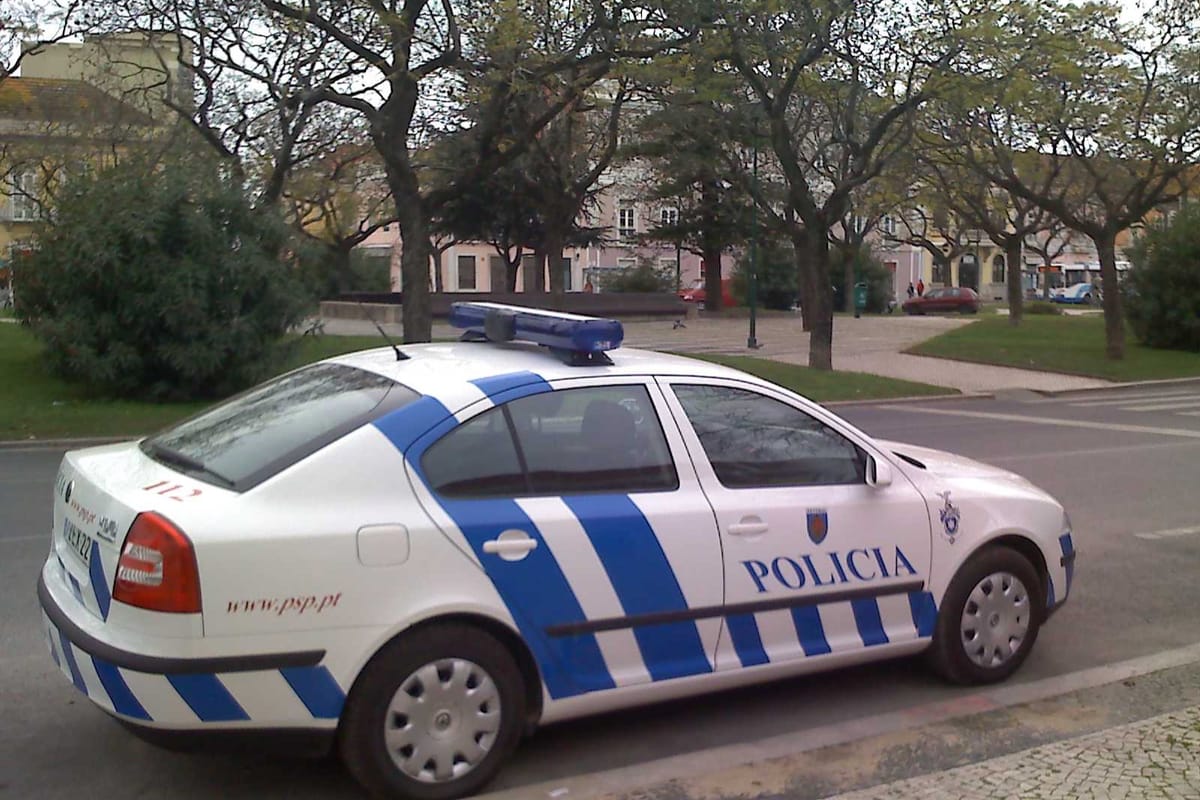
The Government says it has reached a pay deal with most of the unions that represent PSP officers and the associations that represent GNR personnel. The deal gives them one step up the pay scale in January 2027, a second in January 2028, and higher supplements. Internal Administration Minister Luís Neves announced it on Friday night, after a full day of talks in which the largest PSP union walked out and two GNR associations refused to sign.
The PSP (Polícia de Segurança Pública) polices the cities and the GNR (Guarda Nacional Republicana) polices most of the rest of the country. Together they are the officers most residents deal with on the street, on the roads and at a station counter.
What is on the table
The talks ran from Friday morning with Mr Neves and the Secretary of State for Public Administration, Marisa Garrido. According to Paulo Santos, president of the ASPP/PSP (Associação Sindical dos Profissionais da Polícia, the largest PSP union), speaking to Lusa as reported by ECO, the Government's final offer was:
- One pay level (a step on the salary table, an increase of 52 euros) in January 2027;
- A second pay level in January 2028;
- the improvements already proposed to the shift, command, residence and special-services supplements;
- no folding of the risk supplement into base pay, which the Government dropped from its first proposal.
That is a change from the offer put to the unions on 16 November, when the GNR association APG/GNR said the Government was offering a single pay level, and only from January 2028, with 104 euros of risk supplement moved into base pay.
Who said yes and who said no
The ASPP/PSP was the first to leave the meeting. Mr Santos called the offer "an improvement" but said officers should rise two levels in January 2027, or 104 euros, and that the Secretary of State told the meeting the Government could not afford that.
Speaking to reporters after a dinner with Algarve hotel owners in Albufeira that evening, Mr Neves said the Government had reached agreement with "most" PSP unions and GNR associations. He called it "the biggest increases ever given to the security forces", RTP reported from Lusa. He put the cumulative increase at 500 to 550 euros, which Lusa describes as over four years, but did not say how it splits between base pay and supplements.
Asked why the ASPG (Associação Sindical dos Profissionais da Guarda) and the APG/GNR (Associação dos Profissionais da Guarda) had not signed, the minister pointed to a disagreement over one of the figures. He said the deal "is valid for all police officers" whether or not their representatives signed.
In a statement on Friday night, reported by Observador, the APG/GNR said the Government "chose to ignore" its counterproposal and refused "cosmetic adjustments". It said the door to dialogue stays open if the Government revises its position.
What it means for you
For PSP officers and GNR personnel, the first increase is due in January 2027 and the second in January 2028. It applies to those whose union did not sign, too, according to the minister. For other residents, Mr Neves argues that better pay is essential to attract new candidates to the forces: "We need people who want to apply to serve the country in the security forces," he said. The pay protest that brought officers from Largo do Carmo to São Bento in October has now split: most representatives have signed, while the largest PSP union and the APG/GNR remain outside the deal.