Six in 10 Residents Have Lost Natural Teeth and One in Five Waits for Pain Before Seeing a Dentist, the Dentists' Association Survey Says
The Ordem dos Médicos Dentistas' 2026 Oral Health Barometer finds two in three people pay for the dentist out of their own pocket, one in eight cut back on visits this year, and only 37 percent know the SNS offers dental care at all.
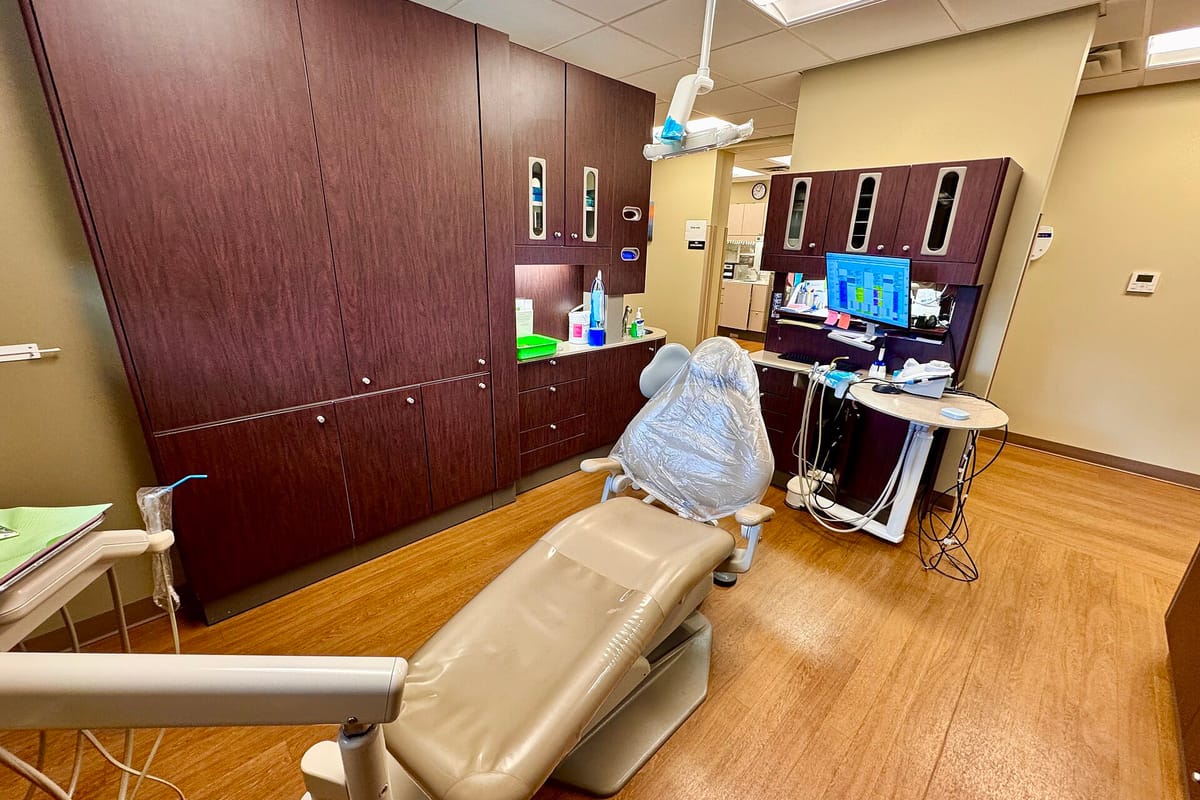
More than six in 10 people living in Portugal (61.1 percent) are missing at least one natural tooth, not counting wisdom teeth, and more than a third of them (36.1 percent) have nothing in its place. That is one of the headline findings of the Barómetro da Saúde Oral 2026 (Oral Health Barometer 2026), released on 18 November by the Ordem dos Médicos Dentistas (OMD, the dentists' professional association).
The survey, by Multidados, rests on 1,200 interviews held between 15 July and 9 October 2026 with residents aged 15 and over, mainland and islands, weighted by age and education.
Who goes, and who waits for the pain
Most residents (72 percent) say they see a dentist at least once a year. But 22.4 percent, more than one in five, go only when something is wrong: a problem, an emergency or pain.
Age makes a large difference. Among 15 to 24-year-olds, 86.2 percent still have all their natural teeth; among people aged 65 and over, only 13.3 percent do. The OMD says tooth loss is also concentrated in poorer households.
The everyday impact is wide:
- 68.4 percent have had tooth or gum pain at some point, and 32 percent in the last 12 months;
- 57.1 percent have had trouble eating or drinking because of their teeth;
- 23.9 percent have missed work or school because of a mouth or tooth problem.
Among children in the households surveyed, 23.6 percent of those aged up to six have never been to a dentist.
Paying for it
Dentistry in Portugal is mostly private, and the barometer shows it. Two thirds of respondents (65.5 percent) pay for appointments on the spot, out of their own pocket. Another 27.4 percent use private insurance, a health plan or a public-sector health subsystem. The cheque-dentista (dental voucher) pays for 1.7 percent, and the Serviço Nacional de Saúde (SNS, the national health service) directly for 0.8 percent.
Half of those who had a recent treatment paid 50 euros or less, usually for a check-up or a cleaning; the average was 124.74 euros, pushed up by a minority of bigger bills. One in eight (12.5 percent) cut back on dentist visits in the past year, and more than half of them (52.7 percent) named money as a main reason.
Nearly everyone (96.5 percent) thinks the State should pay part of the cost of dental treatment, as it does for prescription medicines.
The SNS option most people do not know about
Only 37 percent of respondents know the SNS offers dental care at all, up from 29.7 percent in last year's barometer; 27.7 percent think it does not and 35.2 percent do not know. Even among those who know, most (85.8 percent) went private on their last visit.
The voucher scheme is better known: 80.1 percent call it a good measure, and 34.6 percent have been entitled to one at some point. It is changing in January, when a new version of the national oral health programme takes over. We explained the new voucher ages and amounts in October.
What the dentists want
The OMD's bastonário (president), Miguel Pavão, said the results show that oral health "continues to reflect social and economic inequalities" and that cost is still an obstacle for many families. The association says the new SNS dentist career and the reformed national oral health programme need funding to work, and it has sent budget proposals for 2027 to parliament.
If you want an SNS dentist: ask at your health centre whether it has a dental surgery or hygienist, or call SNS 24 on 808 24 24 24. Pregnant women followed in the SNS, people receiving the Complemento Solidário para Idosos (means-tested supplement for older people) and children at set ages can get dental vouchers through their family doctor or health centre.
The full barometer, 73 pages, is on the OMD website (Portuguese only).