Paulo Rangel Walks Into Brussels on Monday Asking for EU Sanctions on Ben-Gvir and Smotrich — Foreign Minister Concedes the Two-Minister Measure Will Not Pass But Pushes Settler-Targeted Sanctions and West-Bank-Settlement Trade Restrictions
Paulo Rangel walked into the 11 May 2026 EU Foreign Affairs Council asking for sanctions on Ben-Gvir and Smotrich. He conceded the measure will not pass and pushed for settler-targeted sanctions and trade restrictions on West Bank settlement goods.
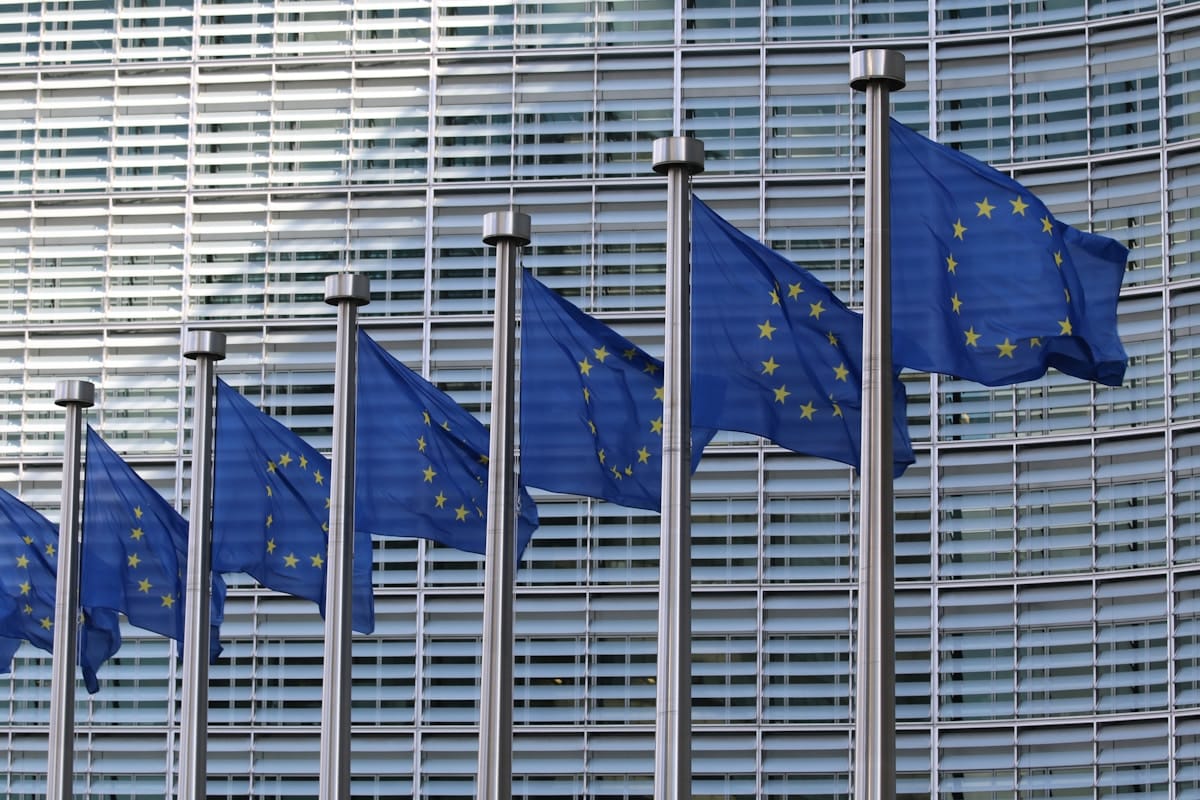
Portugal's foreign minister Paulo Rangel walked into the EU Foreign Affairs Council in Brussels on the morning of 11 May 2026 asking the 27 to impose targeted sanctions on two members of the Israeli government — Itamar Ben-Gvir, the minister of National Security, and Bezalel Smotrich, the minister of Finance — both drawn from the ultranationalist wing of Benjamin Netanyahu's coalition and already sanctioned by five non-EU countries.
The Two-Minister Ask
Rangel told reporters before the meeting that Portugal had pushed inside the bloc for the measure but conceded that the unanimity threshold remained out of reach. 'We have regret, we think this will not be possible', the minister said, framing the request as the position he was bringing to the table rather than the outcome he expected to leave with. Ben-Gvir and Smotrich have been under asset-freeze and travel-ban regimes since June 2025 in the United Kingdom, Australia, Canada, New Zealand and Norway, under a coordinated package targeting what the five governments described as incitement to extreme violence and grave human-rights violations against Palestinians in the West Bank. The EU has not so far joined that perimeter — a sanctions decision under the Common Foreign and Security Policy requires unanimity, and Hungary and Czechia have publicly opposed the move.
The Settler-Sanctions Window
Where Rangel sees movement is one layer below the ministerial level. Portugal, he indicated, would support sanctions against violent settlers in the West Bank, trade restrictions on products originating from Israeli settlements in the Cisjordânia and Eastern Jerusalem, and, in time, suspension of the EU-Israel Association Agreement — the 2000 trade-and-cooperation framework that gives Israeli exporters preferential access to the single market. The settler-sanctions track has more traction inside the bloc because the 2024 EU Council decision establishing a horizontal human-rights sanctions regime against violent settlers in the West Bank already moved by qualified majority on an extension, and an additional listing round is on the table at today's Council. Rangel signalled that the suspension of the Association Agreement was the right end-state but 'will not be approved at this meeting'.
What Is Likely to Land Today
The package that High Representative Kaja Kallas brought to the table for the 11 May Council reads, in working order: an additional listing of violent settlers under the existing horizontal regime; a political signal on colonatos-origin trade; a holding line on the Association Agreement; and, separately, additional restrictive measures on individuals and entities tied to the conflict. The full ministerial sanctions ask from Lisbon, Madrid and Dublin sits outside that perimeter and would require either a unanimity breakthrough or a coalition-of-the-willing route outside the EU's formal sanctions architecture.
Why It Matters for Lisbon
The Rangel ask lands the same Monday that Climáximo activists painted the facade of Thales in Paço de Arcos red, against the backdrop of an EU-level debate over weapons exports to Israel that has hardened steadily since the Q1 escalation. Portugal's diplomatic posture — pushing the maximalist measure inside the room, settling for the achievable layer below — is the same template Lisbon used on the 2024 settler-sanctions vote and on the September 2025 suspension of Israel's preferential single-market access. The visible cost of going public with the minister-sanctions ask is the visible split with Berlin and Budapest. The visible benefit, the government has calculated, is being on the right side of a debate that the European Parliament and a majority of national capitals are now driving. On the foreign-policy and multilateral side of the file, our 4 June read on Portugal winning a non-permanent UN Security Council seat for the 2027-2028 term with 134 first-round votes — Austria joining on 131, Germany pushed off the body for the first time since 1976 on 104, Paulo Rangel anchoring the post-vote framing on cross-party Portuguese diplomacy and the eighth Portuguese term on the Council since 1979-1980 sets the latest reference.