Lisbon's Appeal Court Revives the €34.4 Million Fine Against EDP and Sonae Four Months After a Lower Court Wrote It Off
The Tribunal da Relação de Lisboa ruled on Thursday that the case over the 2012 EDP Continente card partnership has not expired, reversing a March decision that had voided €34.4 million in fines. The authority says 19 cases worth over €880 million face the same clock.
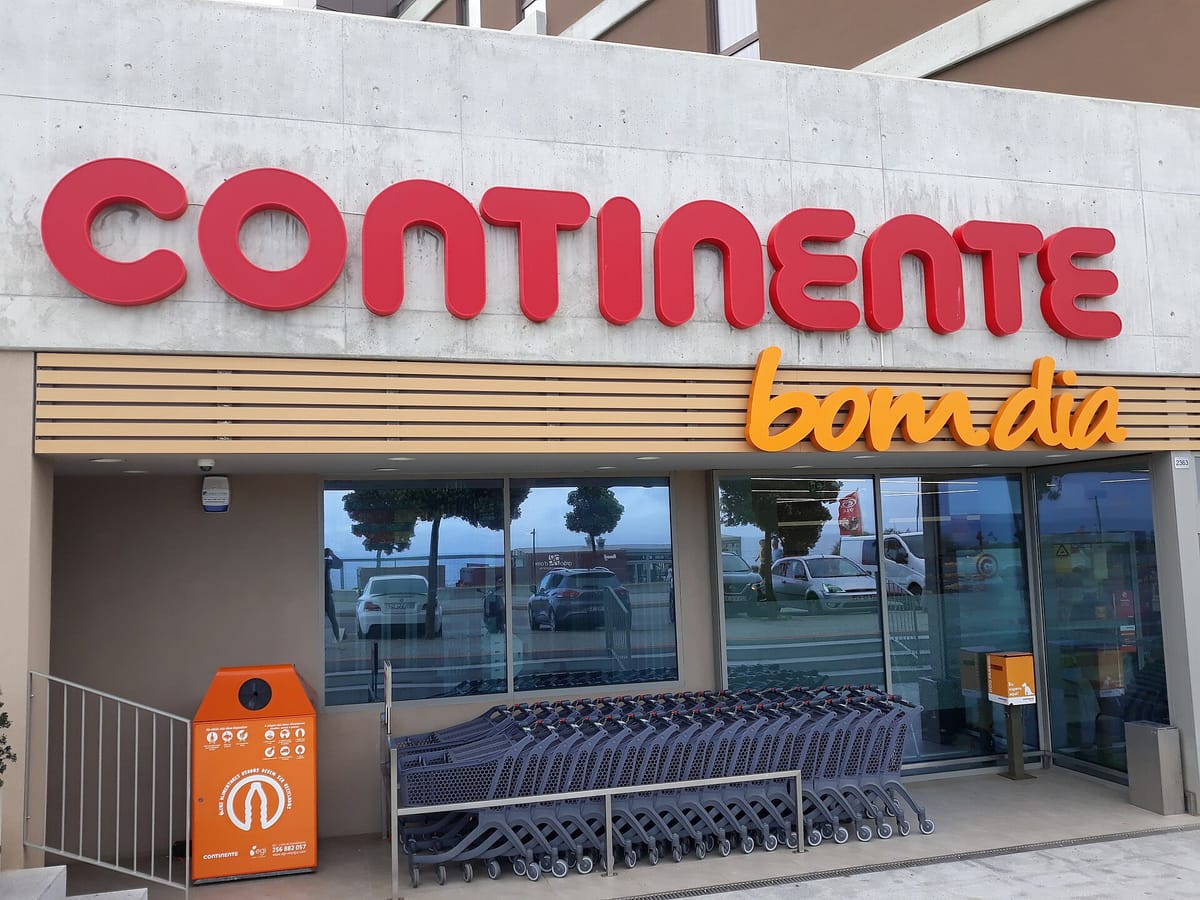
A €34.4 million competition fine that a Portuguese court had written off in March is alive again. The Tribunal da Relação de Lisboa (Lisbon Court of Appeal) ruled on Thursday that the case against EDP and Sonae over their 2012 electricity partnership has not expired — overturning the reading of the lower court that had handed the two groups an escape route four months ago.
The underlying conduct is nearly fifteen years old and unusually easy to picture, because millions of shoppers took part in it. Under the “Plano EDP Continente”, launched in 2012, holders of a Continente loyalty card who signed a low-voltage electricity supply contract with EDP Comercial in the newly liberalised market received a 10% discount on their consumption, credited back to the card. The Autoridade da Concorrência (Competition Authority) found that the commercial partnership carried something else alongside the discount: a clause under which the two groups agreed not to move into each other's markets in mainland Portugal for two years. On 5 May 2017 it fined them €38.3 million in total — €25.8 million on EDP Comercial, €6.8 million on Modelo Continente Hipermercados, €2.9 million on EDP itself and €2.8 million on Sonae Investimentos.
The appeals since then have gone almost entirely the regulator's way on the substance. In September 2020 the Tribunal da Concorrência, Regulação e Supervisão (Competition, Regulation and Supervision Court) upheld the conviction while trimming the fines by 10%, bringing the total to about €34.4 million. In October 2023 the Court of Justice of the European Union, answering a reference sent from Lisbon, endorsed the authority's approach to the case. In February 2024 the Court of Appeal rejected the companies' appeal outright and declared the proceedings urgent so they could run through the judicial holidays, precisely because of the risk that time would run out. In October 2024 the Constitutional Court refused to strike down the way Portuguese law calculates such fines as a share of turnover.
Then, on 16 March this year, the competition court reversed the picture on a point that had nothing to do with whether the companies did it. Applying what it considered the regime most favourable to the defendants, it held that the limitation period for the administrative offence had run out on 14 August 2024 — before the conviction became final — and that neither the referral to the EU court nor the emergency Covid-era suspension legislation stopped the clock. On that reading EDP's €25.8 million and Sonae's €8.6 million simply fell away. The Competition Authority said it would appeal, and went as far as weighing a complaint against the judge. Thursday's ruling is the answer to that appeal: the proceedings, the Court of Appeal held, did not prescribe.
The dispute matters well beyond one loyalty-card promotion, because the same clock is ticking on much of the regulator's enforcement record. At the start of this month the authority warned that 19 cases carrying more than €880 million in fines face an imminent risk of expiring, spanning food retail, banking, energy, telecoms and transport. Portugal has already watched one landmark case unravel on timing rather than merits, in the banking cartel file — the decade-long case that drew a public censure of the sector from the Bank of Portugal's governor. Parliament moved on 17 July to close the gap, approving a bill that applies the 2022 amendments to the Competition Act to cases still pending and confirms that a referral to the EU court interrupts the limitation period.
For consumers, the practical stakes are narrower than the headline number suggests — the fines are paid to the state, not to customers, and the discount itself was real money off real bills during the crisis years. What is at stake is whether Portugal's competition regime can finish what it starts. The authority has kept issuing penalties on that assumption, from €13.35 million against MEO, NOS, Vodafone and Accenture over coordinated pay-TV advertising to a merger caseload that has just hit a 22-year high. Thursday's decision keeps the oldest and best-known of those fines standing — for now. On how long a Portuguese debt stays enforceable in the first place, our guide to prescrição, the limitation periods that decide when a Portuguese debt can no longer be enforced, and the written acknowledgement that resets every one of them sets the latest reference.