Only Czechia Recognises the EU Ecolabel Less Than Portugal, Where Nearly Half of Non-Buyers Say Their Shops Do Not Stock It
A Eurobarometer published on Thursday finds 32 percent of people in Portugal know the flower logo, against 46 percent across the EU, yet 87 percent of them trust it, and shoppers want it on far more products.
Portuguese consumers trust the EU Ecolabel more than most Europeans, but only a third of them know what it looks like, and among those who do not buy labelled products, nearly half say they cannot find them where they shop. That is the highest share in the European Union, according to a Eurobarometer survey published on Thursday for World Ecolabel Day.
The Flash Eurobarometer, commissioned by the European Commission, questioned 25,566 people across the 27 member states between 31 August and 6 September, about 1,000 of them in Portugal. It repeats surveys from 2017 and 2023.
Few recognise the flower
Shown the label's flower logo, 32 percent of respondents in Portugal said they had seen it before, against 46 percent across the EU. That is up 8 points on 2023, but it still leaves Portugal joint second from bottom with Croatia and Hungary. Only Czechia, at 31 percent, scored lower. Some 57 percent in Portugal said they had never seen the logo, a share exceeded only in Ireland (58 percent).
Those who do know it think highly of it. Asked whether they trust that products with the label really have a lower environmental impact than similar products, 87 percent in Portugal agreed, against 81 percent across the EU, putting the country alongside Ireland behind only Luxembourg and Malta. Some 79 percent in Portugal correctly said the label requires products to meet strict environmental criteria (EU: 73 percent). Yet 53 percent wrongly believe it is awarded to organic food and drink (EU: 56 percent).
Not on the shelf
In Portugal, 42 percent said they buy products carrying the EU Ecolabel often or sometimes, a little below the EU figure of 46 percent. A further 34 percent could not say how often they buy them, the second-highest "don't know" in the EU after Sweden. Environmental labels in general do better: 71 percent in Portugal buy products with some kind of green label often or sometimes, above the EU's 66 percent.
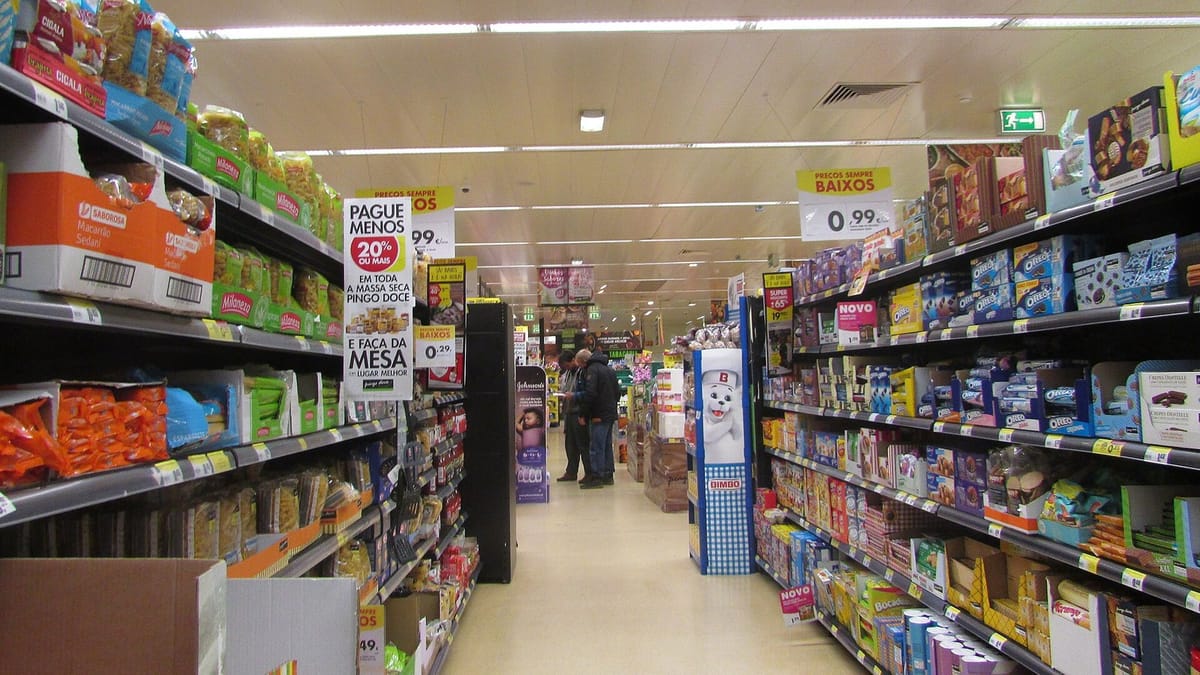
Asked why they do not buy labelled goods, 48 percent of Portuguese respondents said they do not find EU Ecolabel products where they shop, the highest share of any member state and well above the EU's 31 percent. Price was no bigger an obstacle than elsewhere (23 percent, the same as the EU), and only 6 percent said they were not concerned by environmental issues, against 14 percent across the EU.
Shoppers want more of it. Some 82 percent in Portugal agree that more product categories should be eligible for the label, the third-highest share after Malta and Luxembourg, against 72 percent across the EU. Cleaning products top the wish list in Portugal, as in the EU: 53 percent would like more labelled detergents, followed by textiles and cosmetics (38 percent each). In Portugal, 82 percent had bought cleaning products in the previous 12 months, the highest share in the EU, but only 27 percent had bought any carrying the label.
What the label is
The EU Ecolabel, created in 1992, is a voluntary certification. A company applies to a national competent body, which grants a licence if the product meets criteria set for its product group, assessed over its whole life cycle. According to the Commission, as of September 2026 there were 121,083 labelled products under 3,665 licences, from paper and detergents to furniture, textiles and more than 1,000 tourist accommodations.
For consumers in Portugal, the survey suggests the gap is less about belief than about supply: people who know the flower trust it, but too few of them find it in the aisle.