Only Alstom and Talgo Remain in the Race to Supply Portugal's First High-Speed Trains
Only France's Alstom and Spain's Talgo cleared pre-qualification in CP's tender for Portugal's first 12 high-speed trains, worth an estimated €584 million — even as questions grow over whether the Lisbon–Porto line will be ready to run them at full speed.
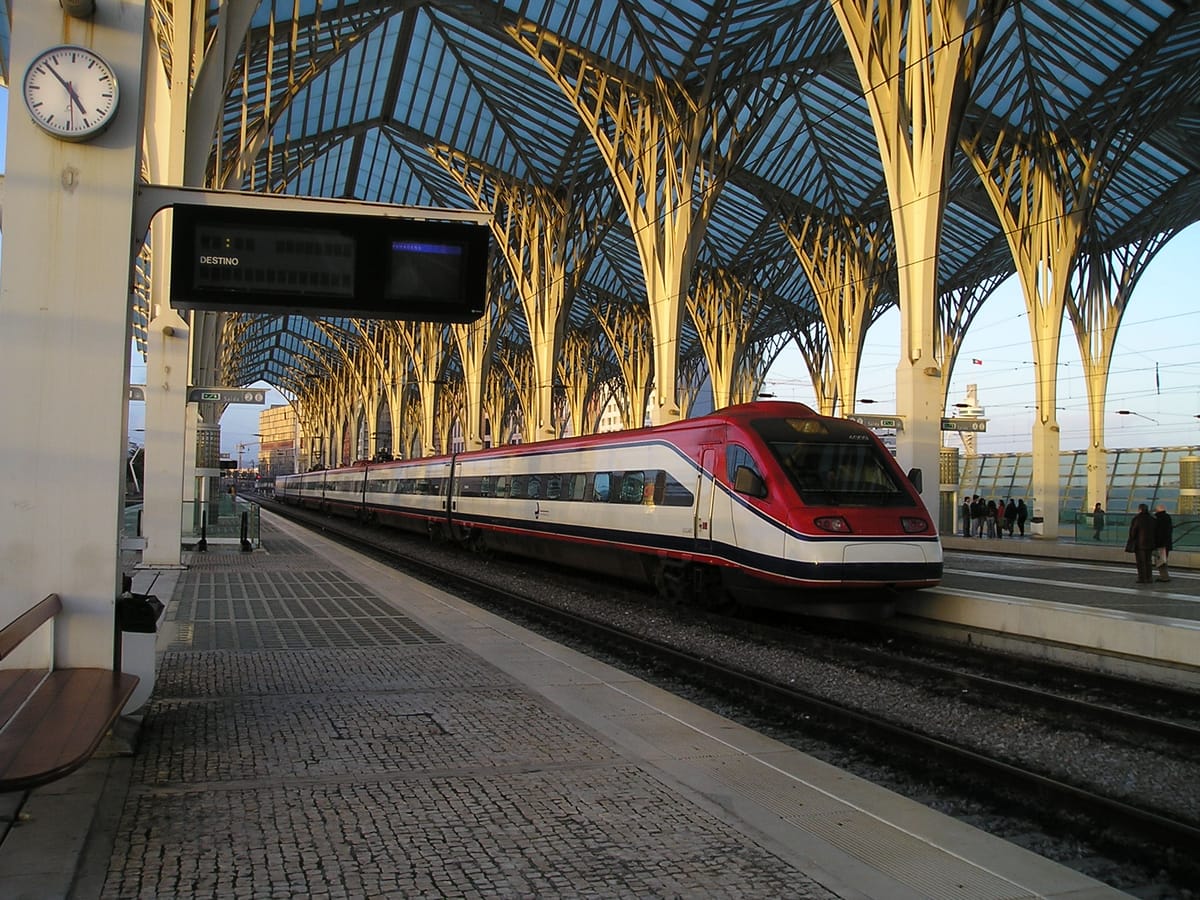
Portugal's long-promised high-speed railway has reached a two-horse race. Only two manufacturers cleared the pre-qualification stage of the tender to supply the country's first high-speed trains: Alstom, the French group that builds much of Europe's high-speed rolling stock, and Talgo, the Spanish maker known for its lightweight intercity trains. The shortlist was confirmed this week by Público and Jornal de Negócios, after ECO first reported the pair of candidates in early August.
The contract is being run by CP – Comboios de Portugal (Trains of Portugal), the state rail operator, and it is not small. The tender, launched in May, is for the purchase of 12 high-speed trains, with an estimated value of around €584 million that also covers up to eight optional additional units, spare parts and two years of maintenance. A first delivery is targeted for early 2031. The rolling stock is destined for the planned Lisboa–Porto high-speed line (linha de alta velocidade), designed for speeds of up to 300 kilometres per hour, that is meant to slash the journey between Portugal's two largest cities to little more than an hour. Infraestruturas de Portugal's own half-year accounts record rail punctuality falling to 70 percent in the first half of 2026, against an 85 percent target.
A field of two is a thin one for a purchase of this size, and it narrows Portugal's options at a delicate moment. Alstom and Talgo are natural rivals — the French company has been circling Talgo in a wider European consolidation of train-makers — and CP will now weigh their bids on price, delivery schedule and technical fit. Whichever wins will define the look and feel of Portuguese high-speed travel for decades, since rolling stock of this kind typically stays in service for thirty years or more.
The train order is only one moving part of a much larger, and more troubled, project. The Lisboa–Porto line is being built in phases, with the first stretch between Porto and the Centro region prioritised, and the eventual goal of cutting the Lisbon–Porto trip to around an hour and a quarter. But the financing and phasing have drawn persistent criticism. In a parallel report this week, Público warned that the second stretch of the line risks being left "deserted" — under-served or delayed — raising the prospect that Portugal could buy fast trains before it has the full network on which to run them at speed.
That mismatch between rolling stock and track is the quiet worry hanging over the tender. Ordering the trains now keeps the timetable moving and signals commitment to a link that business groups and commuters have wanted for a generation. Yet a 300 km/h train delivers little if long segments of the route are still conventional line, or if construction on later phases stalls for lack of money or political will.
For residents and the many international workers who shuttle between Lisbon and Porto, the appeal is obvious: a genuine high-speed service would reshape where people can live and work, pulling the two cities — and the towns between them — closer together. For now, the concrete step is the choice between Alstom and Talgo. The bigger test will be whether the tracks are ready when the trains arrive.