Olive Oil Leaves Portugal's Mills a Fifth Cheaper Than Last Year, but Shop Prices Have Barely Budged in 2026
Bulk extra virgin olive oil sold for 3.46 euros a kilo in mid-October, 19.5 percent less than a year earlier, and growers expect a bigger 2026/27 harvest. Shop prices are about a third below the 2024 peak, but most of that fall happened last year.
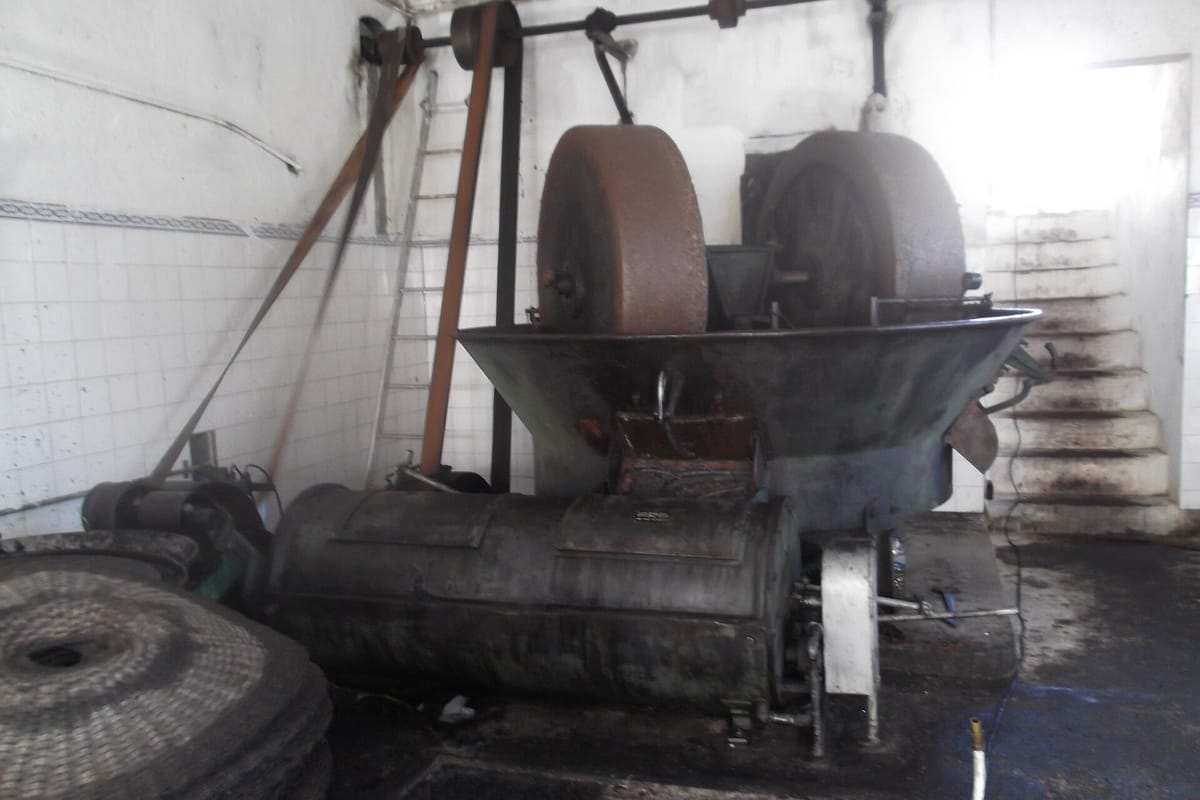
Olive oil leaving Portugal's mills was about a fifth cheaper in mid-October than a year earlier, the latest official weekly figures show, and producers expect a bigger harvest this season. In the shops, though, prices have hardly moved in 2026. Shoppers are paying about a third less than at the 2024 peak, but most of that fall happened last year.
Bulk prices were down 19.5 percent on a year earlier
The agriculture ministry's market information service, SIMA, run by the Gabinete de Planeamento, Políticas e Administração Geral (GPP), put bulk extra virgin olive oil at an average of 3.46 euros a kilo in the week of 5 to 11 October. That is 19.5 percent below the same week of the last season. Bulk virgin olive oil averaged 3.30 euros a kilo. Extra virgin sold by producers in 5-litre containers (garrafões) averaged 5.44 euros a litre, 18.1 percent less than a year earlier.
SIMA's weekly note says Spanish prices largely set the Portuguese market, which is under heavy pressure from Tunisian olive oil traded at low prices. It says many national producers cannot cover their raw material and production costs, which is causing severe cash-flow problems.
A bigger harvest is expected
Olivum, the association of olive growers and mills (lagares) based in Beja, said on 23 September that production should grow by almost 10 percent in the 2026/27 season, Observador reported, citing Lusa. That would bring output back close to the 177,000 tonnes of 2024/25, after 160,000 tonnes last season. Olivum says its members account for about 70 percent of national production. It also warned that agricultural diesel costs about 60 percent more than a year earlier. SIMA links the larger crop to new intensive and super-intensive olive groves coming into production, mainly in the Alentejo.
What shoppers pay
Eurostat's harmonised consumer price index for olive oil in Portugal shows the fall in shop prices has largely stopped. In September 2026 the index was 4.1 percent lower than a year earlier. It was 34.6 percent below its peak in March 2024, but only 0.6 percent below December 2025, and still about a third higher than in mid-2022.
The government's price observatory, the Observatório dos Preços, recorded a litre of extra virgin olive oil at 6.77 euros on 20 April, up from 6.52 euros in late January, according to Lusa. In December 2025, Casa do Azeite, whose member companies pack about 85 percent of branded olive oil sold in Portugal, said it did not expect "significant changes" in prices in 2026, ECO reported. So far the index bears that out.
What it means for you
- Shelf prices follow mill prices slowly. Mill prices are down about a fifth on a year ago, while shelf prices are down about 4 percent. None of the sources we consulted gives a date for retail prices to catch up.
- Olive oil has held steady while inflation rises. Overall inflation reached 3.8 percent in October, driven by fuel.