Nuno Melo Walks Into the Brussels Defence Ministers Meeting on Tuesday 12 May Saying He Is 'Tendentially Against' a European Army — Portugal Lines Up With the NATO-Pillar Camp Against the Spanish Push for an EU Force
Defence Minister Nuno Melo told reporters at the EU defence ministers meeting in Brussels on Tuesday 12 May 2026 that he is 'tendentially against' a European army, lining Portugal up behind a strengthened NATO European pillar instead of the Spanish push for an autonomous EU force.
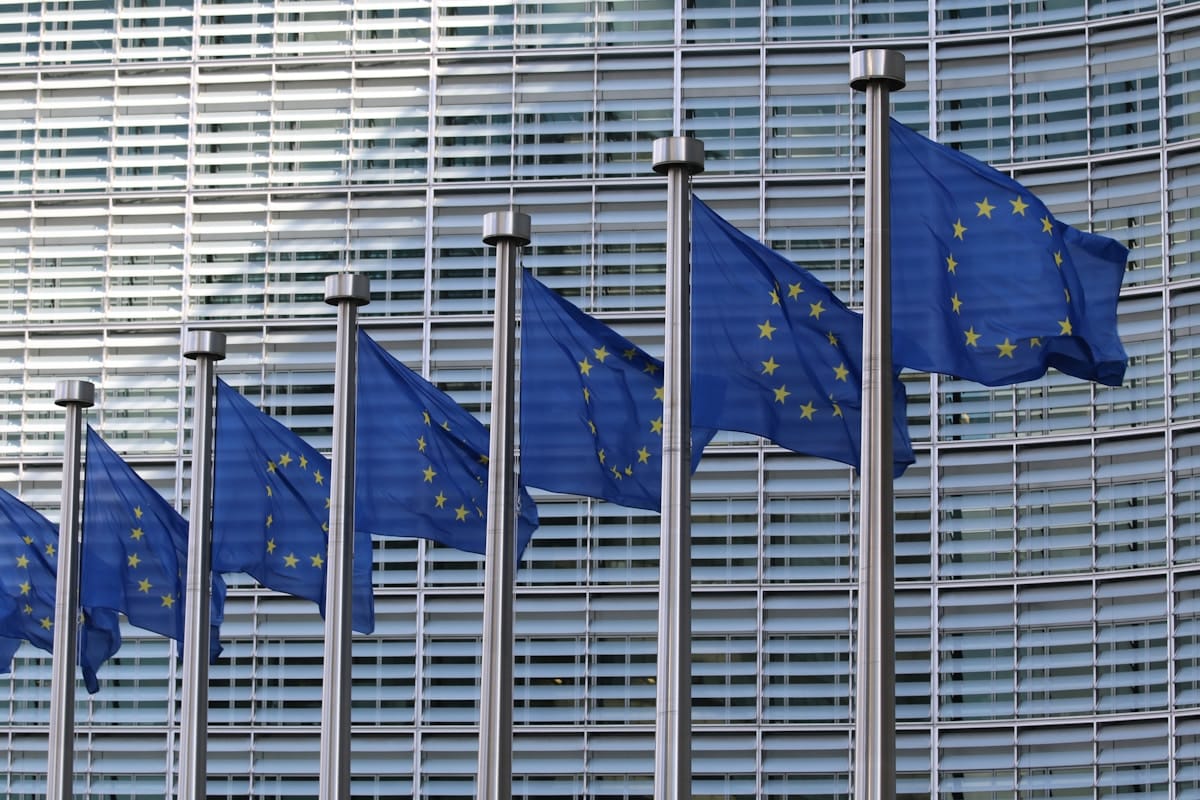
Nuno Melo, the Portuguese Defence Minister and CDS-PP leader, walked out of the EU defence ministers' meeting in Brussels on Tuesday 12 May 2026 with a line that puts Portugal squarely in the NATO-pillar camp of the European defence debate. Asked by journalists about the renewed Spanish push for an autonomous European army, Melo said he is 'tendencialmente contra' — tendentially against — the idea, and described his position as a longstanding one carried over from his European Parliament years.
The Quote
The full Melo line, delivered at the margins of the Brussels meeting:
'Devemos reforçar o pilar de defesa da NATO, que passa por dar melhores condições aos nossos militares, por modernizar e melhorar infraestruturas e equipamentos, por estarmos à altura das missões que nos são pedidas — isso é diferente de um exército europeu.'
Translated: 'We should reinforce the NATO defence pillar, which means giving our troops better conditions, modernising and improving infrastructure and equipment, and being equal to the missions asked of us — that is different from a European army.' Melo added that opposing a European army 'does not invalidate that within the European Union space we should articulate fundamental aspects of a common defence'.
The Wider European Map
The Portuguese position drops into a fragmented EU debate. Pedro Sánchez's Spanish government has been the most vocal advocate of an immediate European army, framed as a hedge against the Trump-era unpredictability of US security guarantees. The EU's foreign affairs chief Kaja Kallas has publicly described the European-army concept as unrealistic, preferring a route built on individual member states upgrading their national forces. Berlin and Paris remain ambivalent, and the Commission's defence-readiness package still leans on coordinated procurement and the European Defence Fund rather than a single force.
Melo's intervention puts Portugal close to the Kallas–Berlin reading and away from Madrid's autonomy push — a notable choice for a Lisbon foreign-policy establishment that has historically tried to avoid open daylight with Spain on EU strategic files.
What Lisbon Is Already Doing
The Ministry of Defence press release on the Brussels meeting framed Melo's intervention around four practical commitments:
NATO industrial capacity: Portugal supports Allies' efforts to revitalise the defence-industrial base across the alliance, with Empordef and OGMA aligned to the European-pillar agenda.
Mission contributions: Portugal continues to deploy under KFOR in Kosovo and the NATO Mission Iraq (NMI) training mandate, both presented as part of the 'pilar europeu da NATO' rather than EU CSDP missions.
National forces investment: Modernisation of infrastructure and equipment for the Forças Armadas remains the Lisbon priority, consistent with the 2% of GDP NATO trajectory.
Personnel conditions: The Defence Minister flagged improvements to military pay and service conditions as a precondition for credible national capacity — a line that links his Brussels speech to the still-unresolved domestic recruitment shortfall.
What This Means for Expats
Foreign-policy continuity: Lisbon will not be one of the capitals pushing the European-army file in the next months of EU debate, and a Portuguese veto-by-quiet-opposition is now on the table if the Spanish push ever reaches a Council formal proposal.
Atlanticist anchor: The Melo line confirms Portugal's Atlanticist orientation under the PSD-CDS Montenegro government, with NATO and the bilateral US relationship explicitly preferred over an EU-only defence architecture.
Defence spending signal: The minister's framing — modernise national forces inside the NATO pillar — is a budgetary green light for the next defence procurement rounds at OGMA, Critical Software and Tekever rather than a pivot toward EU-only programmes.
Iberian tone: A small but real Iberian disagreement on European defence policy is now on the public record, and the Cimeira Luso-Espanhola later this year will have to manage it.