No Pay Offer for Civil Servants at Monday's Talks: the Government Delays Its Answer to November, and the Frente Comum Decides Its Next Step on 27 October
The Government made no counter-offer on 2027 pay or the meal allowance and will reply in early November. The 2.3 percent rise agreed with FESAP and STE stands for now. No strike has been called; the Frente Comum decides its next step on 27 October.
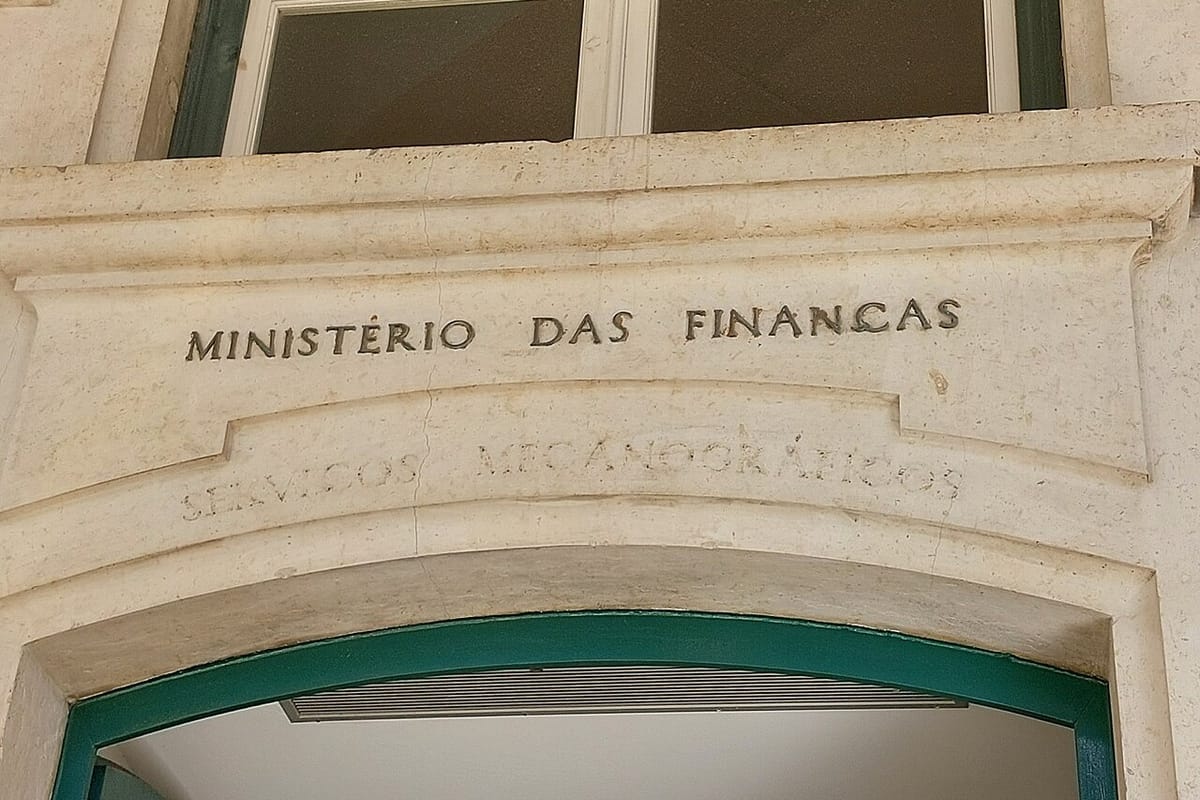
The Government put no new pay offer on the table when it met public sector unions on Monday 19 October, and has pushed any answer on 2027 salaries and the meal allowance to a meeting in early November. The CGTP-affiliated Frente Comum called the session "an absolute zero" on money and says every form of protest is now open; it will decide its next step at a meeting of its unions on 27 October.
The second round of the annual talks, led by Finance Minister Joaquim Miranda Sarmento and the Secretary of State for Public Administration, Marisa Garrido, saw the three union groups in turn at the Finance Ministry in Lisbon, Lusa reported. The unions had tabled their demands at the first round on 6 October, which we set out at the time.
What the Government did and did not offer
According to the STE's own account of the meeting, the Government said it was still analysing every proposal with a cost, including pay rises and a higher meal allowance, and made no counter-offer on either. What stands for now is the multi-year deal signed in January with the UGT-affiliated FESAP and STE: a 2.3 percent rise in 2027 with a minimum of 60.52 euros, and a meal allowance rising by 15 cents a year, to 6.30 euros a day in 2027, as FESAP's summary of the agreement shows. On those terms the lowest public sector salary would go from 934.99 to 995.51 euros.
Instead, the Government proposed changing the timetable for other parts of the deal:
- a proposal to revise travel and subsistence allowances in January 2027;
- the review of the general careers to start in December 2026, a month early;
- the SIADAP performance appraisal review pushed back to the second half of 2027;
- a proposal on pay for senior and middle managers in the first quarter of 2027.
The STE-led union front accepted the new calendar but told ministers the pay side of the deal needs improving. The STE wants a rise above 5 percent.
Unions warn of protests
FESAP's secretary-general, José Abraão, said his federation left "very worried" and that, if no answer came, it would "rethink" its stance, adding that protests had never been ruled out, according to Lusa. He said the Government had pointed to the first or second week of November for a reply. FESAP is asking for at least 6.5 percent or 95 euros, and a 1,050 euro minimum.
The Frente Comum, which did not sign the deal and wants at least 15 percent (minimum 150 euros), was sharper. Its coordinator, Sebastião Santana, accused the Government of devaluing the annual negotiation and said "nothing but the workers' struggle" could be expected, while noting that "the process is not closed", Observador reported from Lusa. The CGTP took the same 15 percent demand onto the streets in its CGTP marches on 17 October.
What happens next
No union has yet called a strike or set a protest date over these talks. The two dates to watch are the Frente Comum's meeting on 27 October and the next round with the Government in early November. Any new stoppage would come weeks after the 2 October national strike, which put schools, Social Security counters and bin rounds at risk. Until a union files notice of a new one, no disruption to those services has been announced over these talks. For private sector workers, the Government's 2027 plan is a 970 euro minimum wage.