Nine Years On, CGD Finds a Buyer for Its Brazil Bank, Closing an EU-Ordered Exit
State-owned Caixa Geral de Depósitos has found a buyer for its Brazilian subsidiary, selling Banco Caixa Geral — Brasil to newly formed MD Capital. The disposal, ordered by Brussels in 2016 as a condition of CGD's €3.9bn recapitalisation, completes a sale attempted twice before and is expected to cl
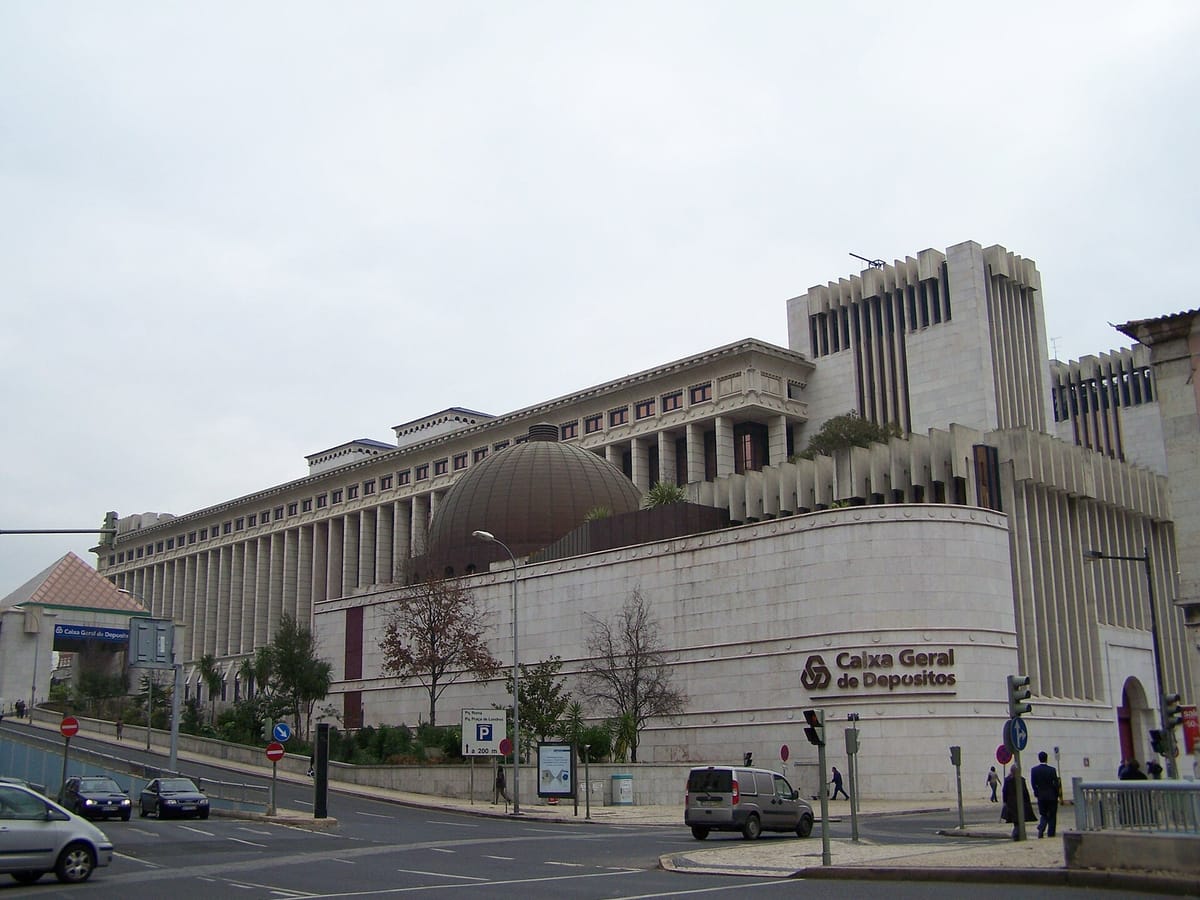
Nine years after Brussels ordered it to go, Caixa Geral de Depósitos (CGD), Portugal's state-owned bank, has finally found a buyer for its Brazilian subsidiary. The government's Council of Ministers was due on Thursday to approve the sale of the bank's entire stake in Banco Caixa Geral — Brasil to MD Capital, a newly created Brazilian group backed by executives with roots in the country's banking sector.
The disposal closes one of the last open chapters of a restructuring imposed by the European Commission. When Brussels cleared a €3.9 billion recapitalisation of CGD in 2016 — public money pumped into a bank battered by the financial crisis — it attached conditions, and shedding the Brazil operation was among them. Turning that order into a completed sale has taken far longer than anyone intended.
Third time lucky
This is the third serious attempt to offload the unit. Earlier processes collapsed in 2020 and 2023, undone by economic turbulence and offers the bank judged too low to accept. The latest round, opened earlier this year, drew a field of interested parties that narrowed to two binding bids; MD Capital emerged as the winner. Neither CGD nor the government has disclosed a price, and the deal still requires clearance from regulators in both countries — a process expected to run into 2027 before the sale formally completes.
Banco Caixa Geral — Brasil has long sat awkwardly in CGD's portfolio: a modestly sized foreign operation in a distant, competitive market, generating little strategic benefit for a lender whose core business is domestic. Selling it lets management concentrate capital and attention closer to home, in line with the leaner, lower-risk profile the state has pursued since the bailout years.
What stays and what goes
The exit from Brazil does not mean CGD is retreating from the world entirely. The bank will keep its other international arms — BNU in Macau, Banco Interatlântico in Cabo Verde, its operation in Angola, and a stake in BCI in Mozambique — markets tied more closely to Portugal's historical and linguistic links than the crowded Brazilian scene ever was.
For customers in Portugal, the practical impact is essentially nil. Domestic accounts, mortgages and deposits are wholly unaffected; this is a corporate transaction involving a foreign subsidiary, not a change to the bank Portuguese residents use day to day. But the sale carries symbolic weight. CGD is wholly owned by the state, which means its profits — and the proceeds of asset sales like this one — ultimately flow back to public coffers, and its balance sheet is a matter of taxpayer interest.
Closing the Brazil file also tidies up the bank's story ahead of the debate over what a healthier, recapitalised CGD should now do with its strength: whether to keep returning dividends to the Treasury, as it has in recent profitable years, or to lean harder into lending at home. After nearly a decade of unwinding the crisis, the state bank is close to turning a page it was told to turn back in 2016.