MPs Extend Free Public Transport to War Veterans Across the Whole Country
Parliament voted on 17 July to extend free public transport to war veterans across the whole country, scrapping a 32-kilometre limit that stranded those outside big cities. The unanimous measure also covers widows and widowers and ties funding to validated pass usage.
Portugal's parliament has voted to give the country's war veterans free public transport anywhere in the country, sweeping away the geographic limits that currently box in the benefit. The measure was approved on Friday, 17 July, with the core resolution from the PSD and CDS-PP passing unanimously — a rare show of cross-bench agreement.
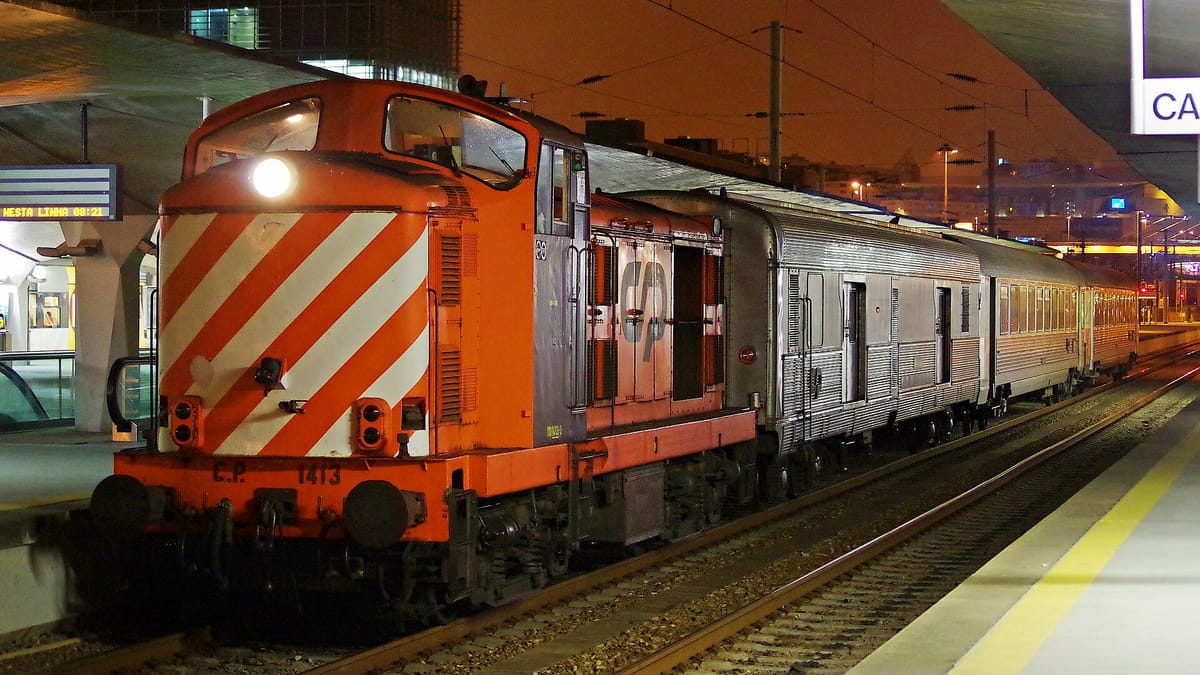
Under the rules in force today, free travel for antigos combatentes (former combatants) comes in three forms: metropolitan passes, municipal passes, or single-line titles. It is that last category that has drawn the most complaints, because line-based free travel only covers journeys of up to 32 kilometres from a veteran's usual place of residence — a cap that effectively strands those living outside the big urban networks.
A benefit stretched nationwide
The approved texts, drawing on proposals from PSD, CDS, Chega and JPP, instruct the government to work with transport authorities so that free travel applies across the whole country for all former combatants — and, in the same spirit, for their widows and widowers. To keep the expansion financially disciplined, MPs unanimously backed an amendment creating a compensation mechanism based on validated, actual pass usage, framed around principles of efficiency, proportionality and sound public spending.
The vote closes a file that had dragged on. Parties reached broad agreement back in May, and the parliamentary Defence Commission signed off on a Chega bill with PSD amendments, but a final plenary decision had been postponed more than once before Friday's approval. Veterans' associations have long argued that a benefit meant to honour service loses its meaning when a former combatant in a rural district cannot ride further than 32 kilometres without paying.
The change fits a broader push to simplify and widen state support, from a planned national intermodal transport pass to President Seguro's move to merge 13 social payments into one.
What This Means for Expats
- Who qualifies: The benefit is specific to Portuguese former combatants and their surviving spouses — it is not a general transport subsidy, but it reshapes the passenger mix on regional networks.
- Rural connectivity: Scrapping the 32-kilometre cap matters most in the interior, where public transport is already thin and every extra rider helps sustain routes.
- Cost discipline: The usage-based compensation model is a template you may see reused as Portugal expands other means-tested and category-based benefits.
- Getting around cheaply: Even without this benefit, residents can lean on measures like the expanding intercity coach network to move between regions affordably.
The resolution now passes to the government to implement with the transport authorities. For veterans in Portugal's smaller towns, a bus or train beyond the old 32-kilometre line is finally set to come without a fare.