Most Adults Believe in Vaccines, but Almost Two in Three Cannot Name the Adult Jabs in Portugal's Programme
A patients' movement surveyed 1,500 adults. Beyond Covid and flu, few had any vaccine in five years, and one in five under-35s say their doctor never raises the subject.
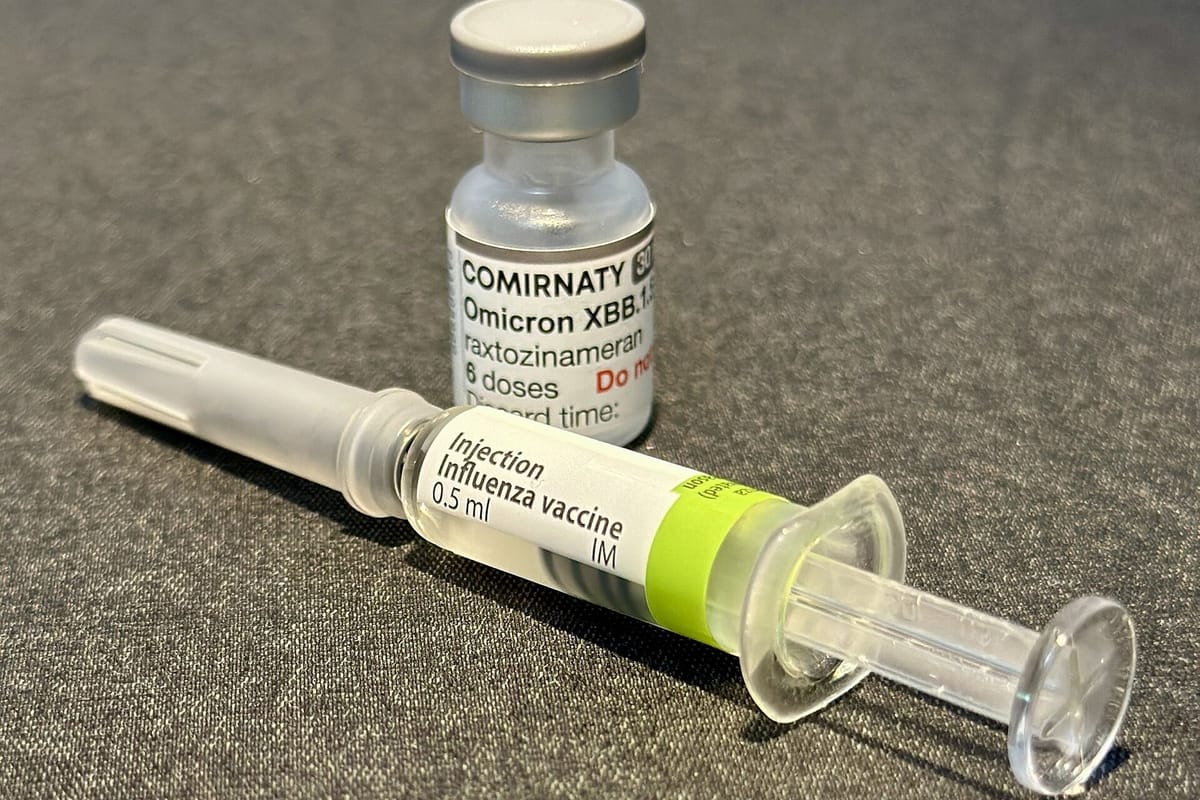
Almost every adult in Portugal believes in vaccination, but most do not know which vaccines they are supposed to have, according to a national survey published on Tuesday by the Movimento dos Doentes pela Vacinação (MOVA), a patients' movement, and reported by Lusa and RTP.
The study, "Barreiras da Vacinação em Portugal" (Barriers to Vaccination in Portugal), questioned 1,500 people aged 18 and over, with and without a chronic illness, between 28 May and 4 August 2026. It found that 94.4 percent recognise the benefits of vaccination, mainly protection against serious disease and herd immunity.
Belief without knowledge
That support does not turn into informed decisions, the authors say. Some 63.9 percent of respondents do not know which adult vaccines are included in the National Vaccination Programme (PNV), rising to 76.4 percent among people without a chronic illness. Half (50.2 percent) do not know which vaccines are recommended for their age group or health condition.
Knowledge of vaccines outside the programme is lower still: 90.5 percent did not know such vaccines exist for adults. In practice, apart from Covid-19 (80.3 percent) and flu (53.3 percent), very few respondents had taken any other vaccine in the past five years: 7.5 percent for pneumococcus, 4.9 percent for HPV, 1.5 percent for respiratory syncytial virus (RSV) and 1.3 percent for shingles.
Why people skip the seasonal jabs
Among respondents who do not get a yearly flu or Covid-19 vaccine, the main reason given was that they do not feel at risk (38.8 percent). Half said seasonal vaccination was not a personal priority, rising to 67.5 percent among healthy people. Among chronically ill respondents with vaccines overdue (7.6 percent of the sample), about 45 percent knew they were behind but felt no need to catch up.
Just over half (51.3 percent) saw no barrier to getting vaccinated. Those who did named fear of side effects (22.3 percent), lack of information (16.1 percent), doubts about effectiveness (15.7 percent), no recommendation from a doctor (10.1 percent) and distrust of health authorities or the pharmaceutical industry (6.8 percent).
The doctor's role
Contact with a health professional made a clear difference. Some 74.9 percent of chronically ill respondents said their doctor raises vaccination in appointments, against 43.3 percent of people without a chronic condition. Among adults aged 18 to 35, 21.7 percent said their doctor never mentions it.
"People cannot be asked to protect themselves, and those around them, through vaccination when they lack basic knowledge of which vaccines are available," said José Albino of MOVA. The movement wants the PNV to be extended into adult life in a structured way, as it already is in childhood, rather than relying on scattered recommendations. The study was due to be presented on Wednesday in Lisbon at a meeting organised by the Portuguese association for people with COPD and other chronic respiratory diseases, which founded MOVA.
What to do now
The timing matters: the free autumn flu and Covid-19 campaign is under way, and eligible adults can be vaccinated at their health centre or at participating pharmacies. Anyone unsure which vaccines apply to them, including immigrants whose records from another country may not be on the Portuguese system, can ask their family doctor or nurse to check their vaccination record against the PNV. Last month an influenza outbreak at an Estremoz care home was a reminder of what the seasonal jab is for.