More Than a Hundred Portuguese Companies Open Stands in Maputo on Monday, With a Secretary of State and AICEP Alongside
The 61st Feira Internacional de Maputo runs to 5 September with close to 3,000 exhibitors from 29 countries. Portugal is Mozambique's seventh-largest supplier, with 1,100 exporting companies and goods trade above 193 million euros in 2025.
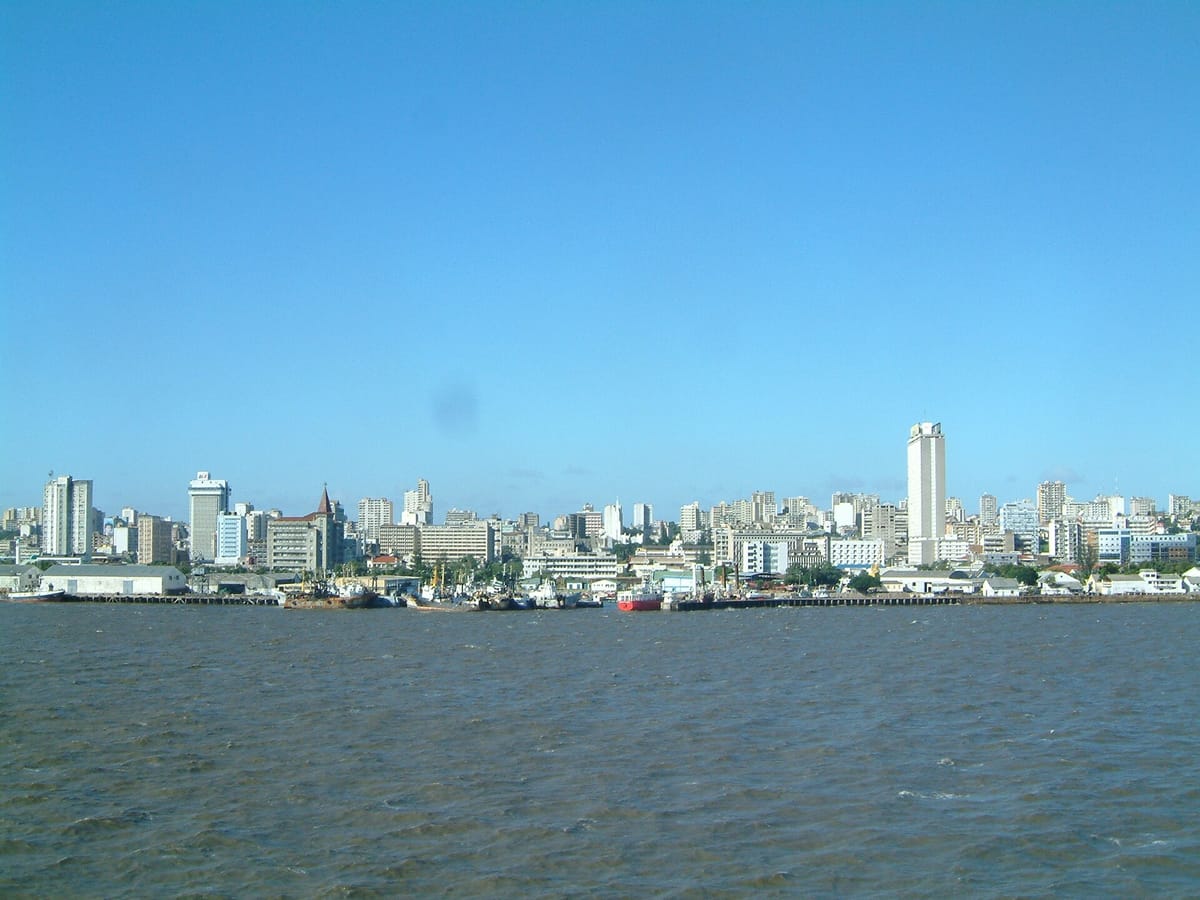
Mozambique's largest business event opens in Maputo on Monday, and more than a hundred Portuguese-capital companies are on the exhibitor list. The 61st Feira Internacional de Maputo, known as Facim, runs until 5 September at the Ricatla exhibition centre in Marracuene district, north of the capital.
The numbers give a sense of the scale: close to 3,000 exhibitors from 29 countries, of which roughly 2,300 are Mozambican and about 600 are foreign firms, with organisers expecting some 55,000 visitors across fourteen pavilions. Luis Machava, director-general of the investment and export promotion agency Apiex, told Lusa the programme includes an agricultural and livestock exhibition and a pavilion for the state business sector, including the Zambezi Valley Development Agency. The theme this year is digital and energy transformation, and Brazil is guest of honour.
The Portuguese delegation
Of the hundred-plus Portuguese-capital companies expected, around twenty will take their own stands. The Portuguese embassy in Maputo says the delegation will be accompanied by the Secretary of State for the Economy, Joao Rui Ferreira, who visits from 31 August to 2 September, and by Madalena Oliveira e Silva, president of AICEP, the trade and investment agency. A Portugal-Mozambique Business Forum on the theme of competitiveness, local content and new investment opportunities is scheduled for 1 September.
There is a political delegation too. PS secretary-general Jose Luis Carneiro and the party's parliamentary leader Eurico Brilhante Dias are due at Facim on the opening day as part of a visit to Maputo.
Why Mozambique still matters to Lisbon
Portugal is Mozambique's seventh-largest supplier. More than 1,100 Portuguese companies export to the market, and bilateral goods trade exceeded 193 million euros in 2025. Around 500 Portuguese-capital companies operate in the country, concentrated in energy, agriculture, infrastructure, engineering, tourism and digital transformation, and more than 40,000 Portuguese citizens are registered with the consular network there.
That footprint sits alongside forums with China, Brazil and the United Arab Emirates on the same Facim programme, which is a fair picture of where Mozambican deal-making now happens. Portugal's advantage is language, legal familiarity and a long-standing corporate presence; its constraint is capital, against bidders who arrive with a great deal more of it.
The relationship also carries live disputes. Galp escalated a tax argument with Maputo to World Bank arbitration this summer, a reminder that a friendly bilateral file and a contested tax file can run at the same time.
What this means for expats
- Two-way labour flows: the corridor is not only outbound capital. Portugal has been recruiting in Mozambique directly, including a state-to-state protocol for nearly 160 drivers, metalworkers and builders.
- Lusophone money moves both ways: the Angolan pattern is instructive, with Angola's investment stake in Portugal now nearly double the reverse.
- The tax file is unresolved: Galp's 150 million euro dispute is the clearest signal of how the legal risk sits for Portuguese operators.
- If you are exporting: AICEP runs the Portuguese pavilion and is the first stop for market entry support, including for foreign-owned companies registered in Portugal.