More Than 31,000 Babies Immunised Against RSV in the Campaign's First Month: Which Children Qualify, and Why 30 October Matters for Parents
The DGS says more than 31,000 children were protected against RSV, the main cause of bronchiolitis, in a month. Every baby born since 1 April 2026 now qualifies for free; the health-centre catch-up runs to 30 October.
More than 31,000 children in mainland Portugal were immunised against respiratory syncytial virus (RSV) in the first month of this season's campaign, the Directorate-General of Health (DGS) said on 19 October, pointing to "high uptake". RSV is one of the main causes of respiratory illness in the first months of life and the usual culprit behind bronchiolitis, which can send babies to A&E or into hospital.
The DGS aims to protect about 84,000 children by the end of the season. This is the third season in a row in which Portugal has offered the protection free of charge, and the first in which it is universal: under Norma n.º 004/2026 of 2 September, every healthy baby facing a first RSV season now qualifies, not only those at higher risk.
Which children are eligible
The campaign runs from 16 September 2026 to 31 March 2027 and covers three groups:
- all babies born between 1 April 2026 and 31 March 2027;
- babies born prematurely, at up to 33 weeks and 6 days of pregnancy, between 1 January and 31 March 2026, if they have not been immunised before;
- children under 24 months on 30 September 2026 who face a second RSV season with a serious risk factor, such as significant heart disease, moderate or severe bronchopulmonary dysplasia, a neuromuscular disease affecting breathing, severe immunodeficiency or cystic fibrosis.
A baby who has already had RSV is still eligible, the norm says, because reinfection is possible and natural protection is incomplete. It is an immunisation rather than a vaccine: a single injection of a ready-made antibody, nirsevimab (sold as Beyfortus), which the DGS says protects for at least five to six months. It can be given at the same visit as routine childhood jabs.
Where it is given, and the 30 October catch-up
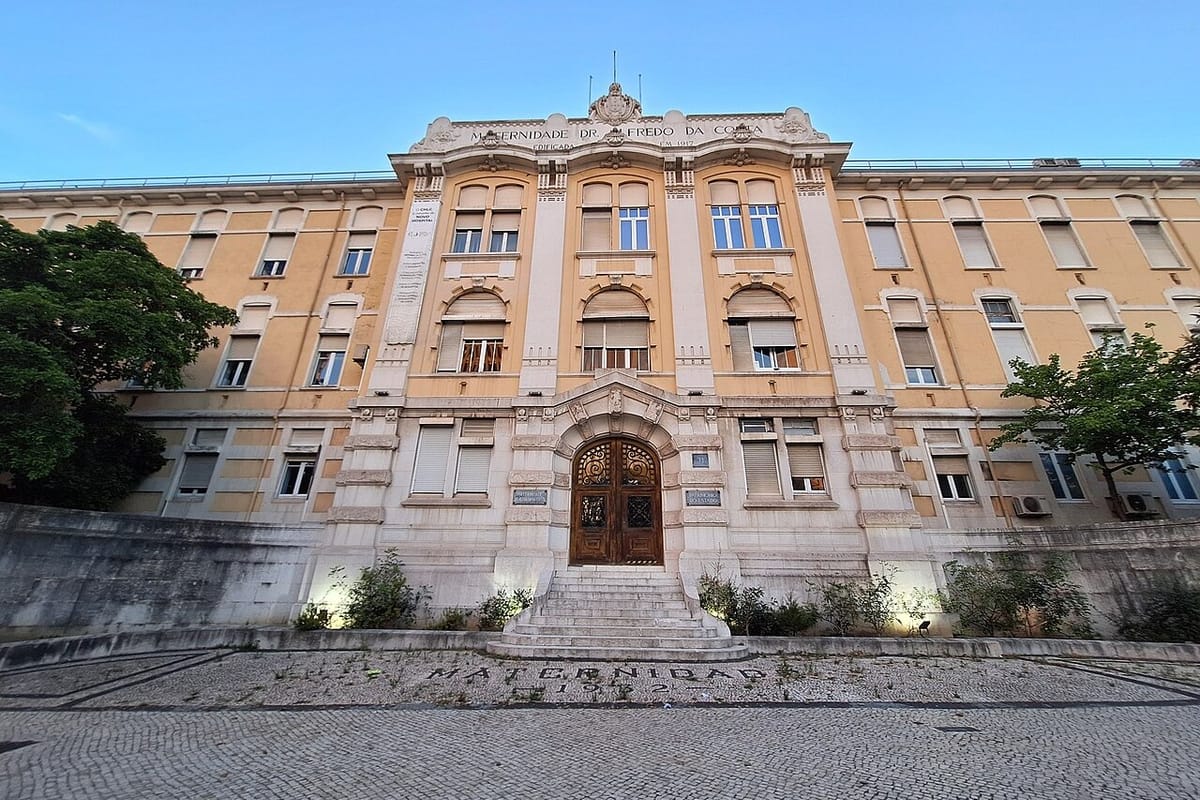
Babies born from 16 September are immunised in the maternity unit, public, private or charity-run, ideally in the first 24 to 48 hours of life. Babies born between 1 April and 15 September 2026 are immunised at their health centre. Premature and high-risk children go to the health centre or to hospital; for a high-risk child immunised at a health centre, the specialist who follows the child must issue a printed electronic prescription to take along.
The catch-up window at health centres and hospitals runs until 30 October. If you miss it, the norm says the child should still be immunised at the first opportunity afterwards. The DGS advice to parents whose baby was not done in the maternity unit is to contact the health centre and ask for an appointment as soon as possible.
Pregnancy, records and what to check
The free campaign is for children. The DGS notes that RSV vaccines are authorised for women between 24 and 36 weeks of pregnancy, and that when a mother was vaccinated at least 14 days before the birth, her baby generally does not need the antibody, with some exceptions decided by a doctor.
Every dose must be recorded on the national VACINAS platform. Where a newborn has no SNS user number yet, the details go in the child's health booklet and are transferred later, so keep the booklet with you. The services that run the platform admitted strain at the start of the seasonal campaigns, Lusa reported, a concern nurses had already raised; our earlier piece explains how to check a vaccine record on SNS 24. The campaign comes as respiratory infections take a growing share of health centre and A&E visits, and alongside the adult flu campaign, which passed 500,000 jabs in its first 12 days.