More Than 2,600 Cases of Animal Abandonment and Cruelty Have Reached the GNR Since 2024, With Porto Filing the Most Reports
The GNR's nature protection service counts 982 abandonments and 1,668 cases of death or mistreatment, rescued more than 7,500 animals and asks the public to keep reporting neglect.
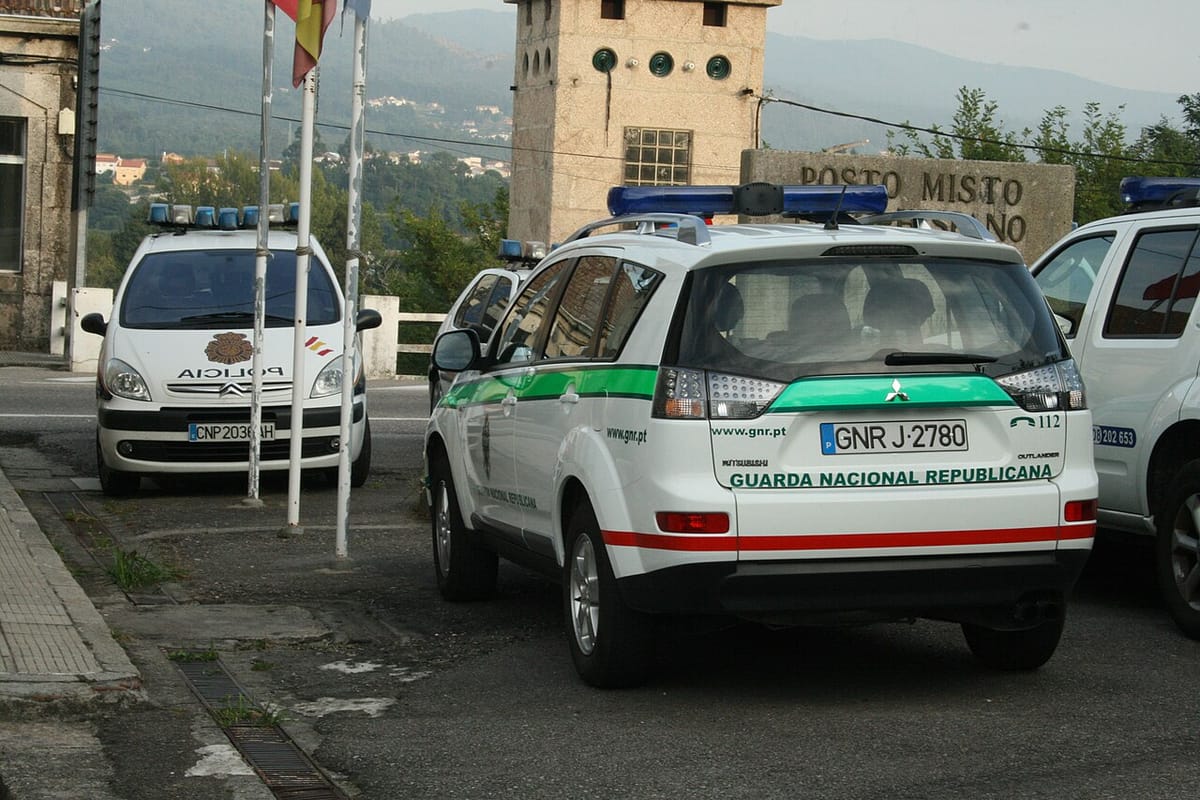
The GNR, Portugal's rural and highway police, has recorded more than 2,600 cases of animal abandonment and cruelty since the start of 2024. In a statement released this weekend, the force said its nature and environment protection service, SEPNA, detected 982 cases of abandonment and 1,668 cases involving the death or mistreatment of animals between January 2024 and the end of August 2026.
Over the same period GNR officers carried out almost 19,200 inspections aimed at the protection and welfare of companion animals and of dogs classed as dangerous or potentially dangerous, and rescued more than 7,500 animals, a figure that includes pets, farm animals and wildlife.
Rescues are running ahead of last year
In 2025 the GNR rescued almost 4,700 animals, handed nearly 2,900 of them to official collection centres (Centros de Recolha Oficial, the municipal shelters) and returned about 1,500 wild animals to nature. In the first six months of 2026 alone it counted almost 2,900 rescues, with more than 2,150 animals taken to official centres and about 300 wild animals released back into their habitat.
Where the calls come from
The force stresses that "the active collaboration of citizens plays a decisive role in reporting situations of neglect and danger". Between January 2024 and 6 September 2026, its SOS Ambiente e Território line received more than a thousand reports involving animals: 935 about abandoned companion animals and 110 about livestock.
The districts of Porto (179 reports), Setúbal (164) and Lisbon (149) accounted for the largest share of calls to the line.
Protected species
SEPNA also carried out 315 inspections between January 2024 and August 2026 under CITES, the international convention on trade in endangered species of wild fauna and flora. They led to 265 administrative offence proceedings and 24 criminal cases. The largest concentrations of CITES offences were in the district of Porto (122), Aveiro (36) and the autonomous region of Madeira (20).
What residents can do
The GNR says it will keep stepping up inspections and awareness campaigns, and that timely reporting by the public is essential to fighting abandonment and mistreatment. Anyone who sees an animal abandoned, injured or being mistreated in an area policed by the GNR can report it to the nearest GNR post or through the SOS Ambiente e Território line, 808 200 520. In an emergency, 112 remains the number to call.
For newcomers, it is also worth knowing that dogs and cats must be microchipped and registered in the national companion animal register (SIAC), which is how an animal found by the GNR or a municipal shelter can be traced back to its owner.