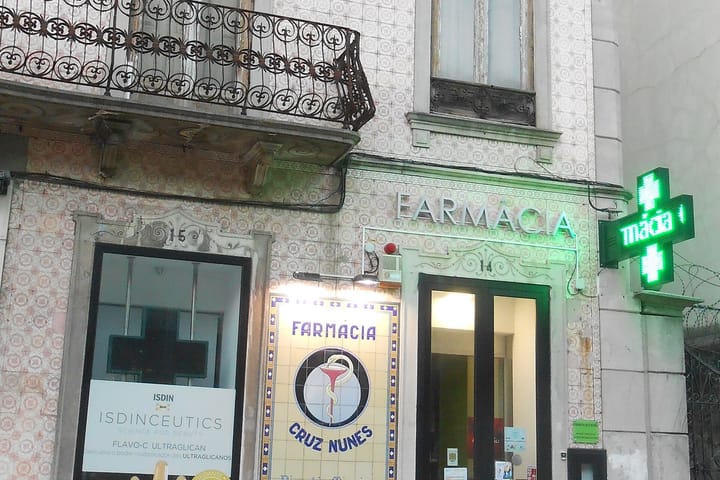
Methadone Treatment Moves Into Pharmacies in Seven Algarve and Alentejo Municipalities From 1 November
From Sunday, people already in opioid treatment in Albufeira, Loulé, Portalegre, Portimão, São Brás de Alportel, Santiago do Cacém and Vila do Bispo can take methadone at a local pharmacy on referral. The state pays pharmacies 30 euros a month per patient.
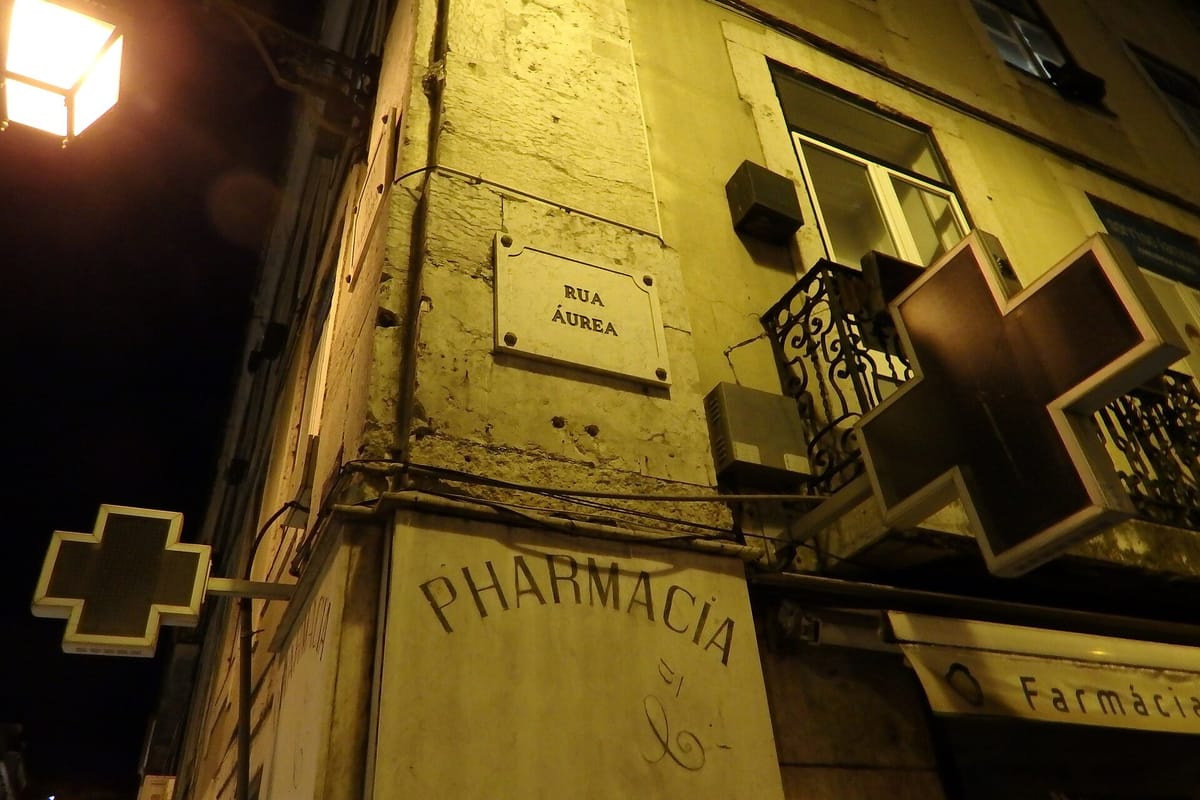
From Sunday 1 November, people being treated for heroin and other opioid dependence in seven municipalities can take their daily methadone at a local pharmacy instead of travelling to a treatment centre. The programme starts in Albufeira, Loulé, Portalegre, Portimão, São Brás de Alportel, Santiago do Cacém and Vila do Bispo, and will be "progressively extended to the whole country", according to a statement issued on 31 October by the Associação Nacional das Farmácias (ANF, the national pharmacy association). ICAD (Instituto para os Comportamentos Aditivos e as Dependências, the public addiction institute), the medicines regulator INFARMED, the Associação de Farmácias de Portugal and the Ordem dos Farmacêuticos are also behind the programme, Lusa reported via Observador.
It is a return rather than a first. Community pharmacies in Portugal first handed out methadone in 1998, as a pilot later extended nationwide, and the model ran until 2012, the Ordem dos Farmacêuticos (the pharmacists' professional order) notes. The Order describes the 2026 relaunch as a national pilot project, with any further expansion to depend on an evaluation of its results.
Who can use it
The service is only for people already enrolled in a treatment programme for opioid dependence. It is not a way to start treatment. Under the Order's dispensing standard, published on 2 July 2026, a patient qualifies when all of the following apply:
- they need to take their dose in person under observation and find it hard to travel regularly to their CRI (Centro de Respostas Integradas, the public addiction treatment centre) or its local unit;
- they agree voluntarily to join;
- they give informed consent.
Patients cannot sign up at the pharmacy counter. The clinical team responsible for their treatment identifies and proposes eligible patients, and the referral goes to a participating pharmacy. Prescribing and clinical supervision stay with the specialist teams, the ANF statement says; the pharmacist checks the person's identity and the active prescription on a shared platform, watches the dose being taken, and reports missed doses. Dispensing and dosing take place at the same pharmacy, and take-home doses are given only where the prescription allows them. After three consecutive missed doses, pharmacy dosing is suspended until the clinical team reassesses the patient.
Who pays
The pharmacies are paid by the state. Portaria n.º 248/2026/1, published in the Diário da República on 5 June, sets a fee of 30 euros a month for each patient a pharmacy looks after. The pharmacy invoices ICAD, which pays it mainly from its share of social gaming revenue. Taking part is voluntary for pharmacies, and only those whose pharmacists have completed the Order's training may join. None of the official documents mentions any charge to patients. The statement does not say how many pharmacies have signed up.
What it means for you
The promoters say treatment close to home "makes access easier, reduces travel and encourages adherence", and that taking the dose in a reserved space at the pharmacy protects privacy and dignity. ICAD president Joana Teixeira said about 24,100 people were treated for drug-related problems in the public outpatient network in 2024, with heroin the main substance in more than 13,200 cases.
If you or a family member is in methadone treatment in one of the seven municipalities, ask the treatment team at your CRI whether a pharmacy referral is possible. Elsewhere, nothing changes yet. Portugal's wider approach to drug use is set out in our report on the 25 years of drug dissuasion panels, and our pharmacies guide explains how Portuguese pharmacies work.