Medical Device Suppliers Ask for Their 'Extraordinary' SNS Levy to Hit Only Big Firms in 2027 and to End in 2028
Created in the 2020 budget, the contribution of up to 4 percent on public sales has raised more than 99 million euros. APORMED also wants a clause to pass on costs that rose 15 to 40 percent.
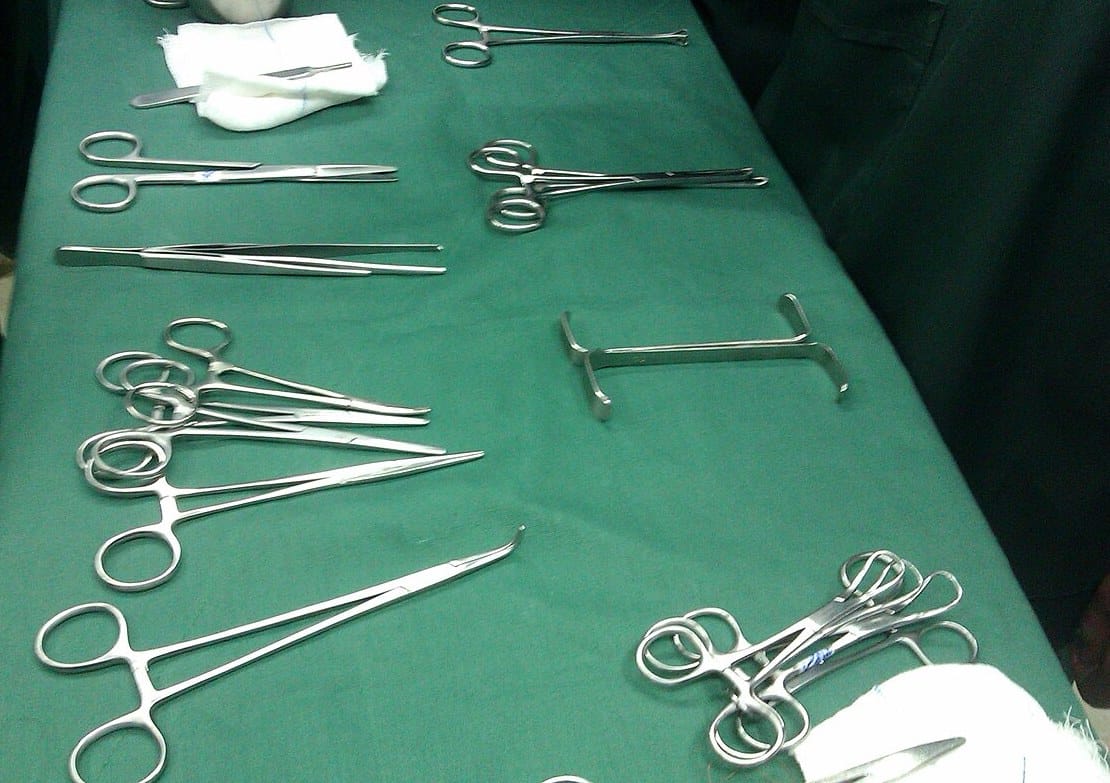
The companies that supply the National Health Service (SNS) with medical devices, from surgical instruments to implants, want the government to wind down a levy that was meant to be temporary. The Portuguese Association of Medical Device Companies (APORMED) is asking for the "extraordinary contribution" on its members to apply only to large companies in 2027 and to end altogether in 2028, its president, Antonieta Lucas, told ECO.
The contribution was created in the 2020 State Budget "to ensure the sustainability" of the SNS's spending on medical devices. Six years later it has brought the State more than 99 million euros, and there is no sign it will be dropped from the 2027 budget proposal. It takes up to 4 percent of each company's sales to the public sector, which buys the great majority of medical devices in Portugal.
What the industry is asking for
This year, unlike previous ones, APORMED is preparing meetings with the parliamentary groups before the budget proposal is presented, with the goal of getting the levy removed. If it stays, the association wants:
- small and medium-sized firms exempted, as micro-enterprises already are, so that only large companies pay in 2027;
- the levy abolished in 2028;
- companies allowed to deduct what they spend training health professionals.
The money was originally supposed to go into a medical technology fund. That never happened, Antonieta Lucas said: the revenue now goes to the Ministry of Health with no known rules on how it is spent. "When investors see that at the end of a month they have to hand over up to 4 percent of their sales, that is not an incentive to invest," she said, adding that no other European country has a similar charge.
Rising costs, fixed prices
The war in the Middle East has pushed up energy, transport and raw material costs, with an impact the association puts at 15 to 40 percent. Most devices are sold to the State through public tenders at fixed prices, so those costs cannot be passed on. APORMED is due to meet the Secretary of State for Health, Ana Povo, to ask for a clause allowing an exceptional, justified price increase on contracts already signed.
There is one piece of good news. The SNS, whose late payments were the reason APORMED was founded 35 years ago, paid in an average of 81 days in the first half of 2026, which the association calls the best result ever. "The expectation is that it does not slip in the second half," she said.
European red tape
The association also blames the EU's newer medical device regulations for slowing innovation. New products that used to reach European patients within nine to 18 months now arrive two to five years late, Antonieta Lucas said, and certification that took nine months to a year now takes two years or more. The European Commission is reviewing the rules in a process not expected to finish before 2028.
APORMED represents 102 companies with combined turnover of about 1.45 billion euros. It has also presented a study estimating that medical technology brought the economy benefits of about 800 million euros between 2014 and 2023, largely by moving operations to day surgery, which rose from 47 to 60 percent of scheduled surgery over the period.