Markets, Business & Tech Briefing: PSI Slips 0.9% as Galp Sinks 5% Despite Profit Surge
📋 In This Edition
- Portuguese Equities: PSI Slips 0.9% as Galp Sinks on Its Own Results
- Blue-Chip Movers
- Government Bonds and the Euro
- Business & Tech Focus: Galp's Profit Jumps 44%, but the Market Sells the News
- Banking Watch: Abanca Grows Profit and Bows Out of the CTT Bank Auction
- Earnings Watch: A Crowded Reporting Week
- The Day Ahead
Portuguese Equities: PSI Slips 0.9% as Galp Sinks on Its Own Results
The Lisbon market opened the week in the red, and for once the story fit on a single ticker. The PSI index (Portuguese Stock Index) closed Monday, 27 July, down 0.90% at 9,131.77 points, giving back 83.34 points from Friday's 9,215.11 finish. Almost the entire decline traced to a single name: Galp Energia, the country's flagship oil-and-gas group, tumbled nearly 5% on the very day it published a bumper set of first-half results. Strip Galp out and the session was close to flat — the rest of the board traded in a narrow band, with no wider wave of selling to speak of. It was, in short, a company-specific move dressed up as a market one, and it left the index roughly 18% higher than a year ago even after the pullback.
Blue-Chip Movers
Galp was the unambiguous loser of the day, sliding 4.99% to €19.03 as investors sold into its earnings rather than celebrated them (more on that below). The two other heavyweights that mattered were both softer: EDP — Energias de Portugal (Energies of Portugal) fell 1.56% to €4.532, and retailer Jerónimo Martins eased 0.54% to €16.72. Away from that trio the tape was quiet, with the banks and the smaller industrials trading either side of unchanged and none of them moving enough to shift the index one way or the other. With Galp carrying one of the largest weightings on the exchange, its 5% drop alone was more than enough to account for the whole of the day's loss — a reminder of how concentrated the Portuguese blue-chip complex remains around a handful of energy and consumer names.
Government Bonds and the Euro
The sovereign debt market was calm by comparison. The yield on Portugal's 10-year Obrigações do Tesouro (Treasury bonds) held at 3.49%, essentially unchanged on the session, leaving the spread over 10-year German Bunds — the market's gauge of Lisbon's credit standing — hovering around 40 basis points. That premium remains historically tight, a legacy of Portugal's run of budget surpluses and its steadily falling debt-to-GDP ratio, and it has barely flinched through a month of oil-price volatility. The euro, meanwhile, edged higher: EUR/USD rose 0.14% to $1.1384, extending a modest recovery as the dollar softened. A firmer euro takes a little of the sting out of dollar-priced crude for Portuguese importers, even as it trims the margin cushion enjoyed by the country's exporters.
Business & Tech Focus: Galp's Profit Jumps 44%, but the Market Sells the News
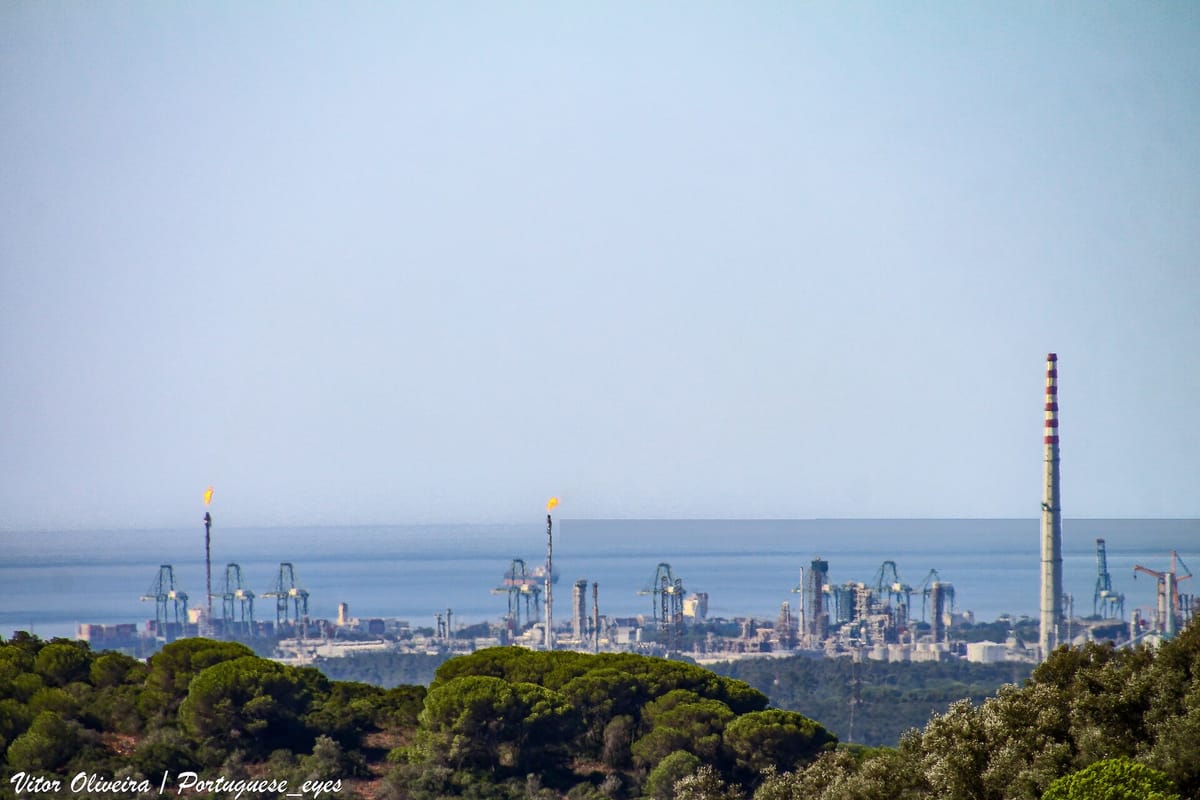
On paper, Galp delivered one of the strongest reports the PSI will see all season. First-half net profit jumped 44% year on year to €812 million, and EBITDA climbed 47% to €2.216 billion, powered by a 76% surge in upstream earnings as crude output rose 17% on the continued ramp-up of the Bacalhau field off Brazil and an average realised oil price of around $92 a barrel. Refining margins, inflated by Middle East tensions, did the rest. Second-quarter net profit alone came in at €540 million, up 45%. Management rewarded shareholders with a 10% dividend increase to €0.70 per share — a €0.35 interim instalment lands in August — and, in a separate move, announced the €420 million purchase of 15 onshore wind farms in Spain from Acciona Energía, deepening its renewables footprint even as that division's earnings fell by half.
And yet the shares fell nearly 5%. The reaction was a textbook "sell the news": Galp stock had already climbed some 27% this year on exactly the energy tailwind these numbers confirmed, so the report validated the run rather than extended it. With crude and refining margins widely seen as closer to a peak than a trough, and with the renewables arm's EBITDA down 52%, investors chose to bank the gains. It is a familiar pattern for cyclical energy names — the best results often arrive just as the market begins to look past them.
Banking Watch: Abanca Grows Profit and Bows Out of the CTT Bank Auction
The reporting season's other notable print came from banking. Abanca Portugal, the local arm of the Galician lender, lifted first-half pre-tax profit 25.7% to €62.6 million and net profit 11.9% to €41.6 million, as gross margin rose 6.5% to €169.8 million and operating costs fell 7.1% to €97.6 million. The bank added 10,000 customers, grew housing credit 12%, and now carries €8.9 billion in customer loans against €9 billion in deposits. More telling than the numbers, though, was what chief executive Juan Carlos Escotet said about growth: Abanca is not bidding for Banco CTT, the banking arm the postal operator CTT — Correios de Portugal (Post Office of Portugal) has put up for sale. Escotet said the priority "at this moment" is organic expansion and finishing the integration of EuroBic, while leaving the door open to "truly complementary" deals and calling Portugal "a strategic destination." His stepping back thins the field for the Banco CTT auction, which had already drawn reported interest from Spain's Cajamar earlier this month.
Earnings Watch: A Crowded Reporting Week
Galp's Monday report was the opening act of an unusually dense stretch of the PSI calendar. With the banks, EDP and Jerónimo Martins all still to report their half-year figures in the days ahead, the index's direction this week will be written company by company rather than set by any single macro theme. The early tone — Galp's beat greeted with a sell-off, Abanca's quiet double-digit profit growth — suggests investors have already priced a good deal of optimism into Portuguese equities and will demand genuine surprises, not merely solid numbers, to push valuations higher from here.
The Day Ahead
With the heavyweight reports now landing thick and fast, Tuesday's session in Lisbon should hinge less on global headlines than on whichever cotada opens its books next — though a steadier oil price and a firmer euro would give the wider board room to shake off Galp's drag.