Markets, Business & Tech Briefing — March 1, 2026
Markets Brace for Monday Turmoil After Iran Strikes With the US-Israeli strikes on Iran occurring over the weekend, European markets have not yet reacted. Analysts widely expect a sharp sell-off when the PSI-20 and broader European indices open on...

Markets Brace for Monday Turmoil After Iran Strikes
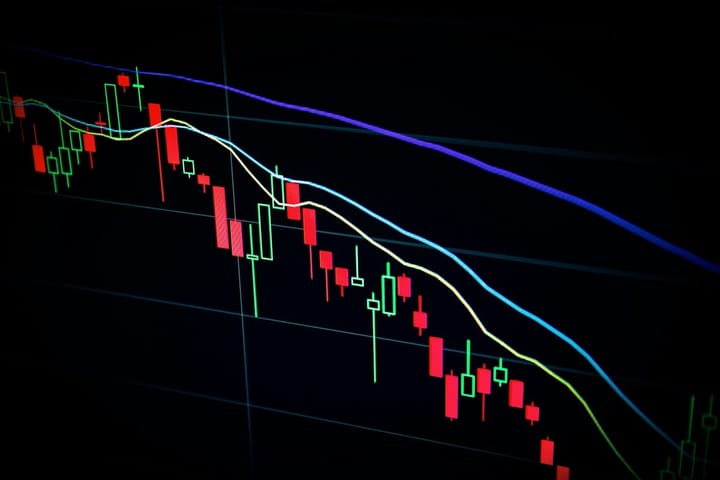
With the US-Israeli strikes on Iran occurring over the weekend, European markets have not yet reacted. Analysts widely expect a sharp sell-off when the PSI-20 and broader European indices open on Monday. Defensive sectors and energy stocks are likely to outperform, while travel and airline shares face significant downside pressure.
Oil Prices Poised for Dramatic Spike
Brent crude closed Friday at elevated levels before the strikes began. The closure of the Strait of Hormuz — through which 20 million barrels per day transit — has prompted forecasts of prices surging above $100, with some analysts warning of $120 or higher if disruption persists. Portuguese fuel retailers may begin adjusting pump prices as early as Monday.
EUR/USD Under Pressure as Dollar Strengthens
The US dollar is expected to strengthen as a safe-haven play when forex markets fully digest the Iran escalation. A weaker euro would compound the impact of higher oil prices for Portuguese consumers and businesses, as crude is priced in dollars. Foreign residents earning in euros may see their relative purchasing power decline.
Housing Appraisals at All-Time High
Bank appraisal values in Portugal averaged a record 2,025 euros per square metre in the latest data, up 17.7 percent year-on-year. Mortgage approvals remain strong despite elevated Euribor rates, suggesting demand continues to outpace available supply across most regions.
Tourism Revenue Hit EUR 29 Billion in 2025
Portugal's tourism sector generated record revenues of 29 billion euros last year, with 32.5 million guests registered nationally. The sector now represents roughly 15 percent of GDP when indirect effects are included. The ongoing geopolitical crisis in the Middle East could impact summer travel patterns if regional instability widens.
Seasonal Agricultural Visa Programme Opens
The government has launched recruitment for 577 seasonal farm positions for non-EU nationals ahead of the 2026 growing season. The programme, designed to address persistent labour shortages in agriculture, requires employers to provide housing. Permits are valid for up to nine months.
ECB Rate Path Clouded by Geopolitical Risk
The European Central Bank had been expected to continue its cautious easing cycle through 2026. However, the Iran crisis introduces a significant wildcard: if energy-driven inflation returns, the ECB may pause or reverse course. Portuguese mortgage holders on variable-rate contracts — which dominate the market — would feel any policy shift directly.
Renewable Energy Investment Gains Strategic Urgency
Portugal's ongoing expansion of wind and solar capacity takes on added significance in the context of Middle Eastern disruption. The country's grid ran on over 70 percent renewable electricity at points in 2025. Further investment in domestic energy independence could insulate the economy from future fossil fuel shocks.
Construction Sector Faces Conflicting Pressures
Rising material costs, partly driven by energy prices, continue to constrain new housing construction at a time when supply shortages are acute. Labour availability in the sector remains tight, despite efforts to streamline immigration pathways for construction workers. The government's affordable housing pipeline has expanded but remains insufficient relative to demand.
Digital Nomad Visa Renewals Steady
Portugal's D8 digital nomad visa programme continues to attract remote workers from across Europe and North America. Renewal rates have been steady, suggesting that holders are choosing to stay rather than move on. The programme's income thresholds and processing times remain competitive relative to similar schemes in Spain, Greece, and Croatia.