Marcelo Reads the Friday-Into-Saturday Orechnik-Class Russian Strike on Kyiv as a 'Massive Attack', Reiterates Unwavering Solidarity With Ukraine and Backs Pursuit of a Just and Lasting Peace
Marcelo Rebelo de Sousa called the Friday-into-Saturday Russian Orechnik-class missile strike on Kyiv a 'massive attack' in a Belém Palace statement on 24 May 2026, reiterating Portugal's unwavering solidarity with Ukraine and backing the pursuit of a just and lasting peace.
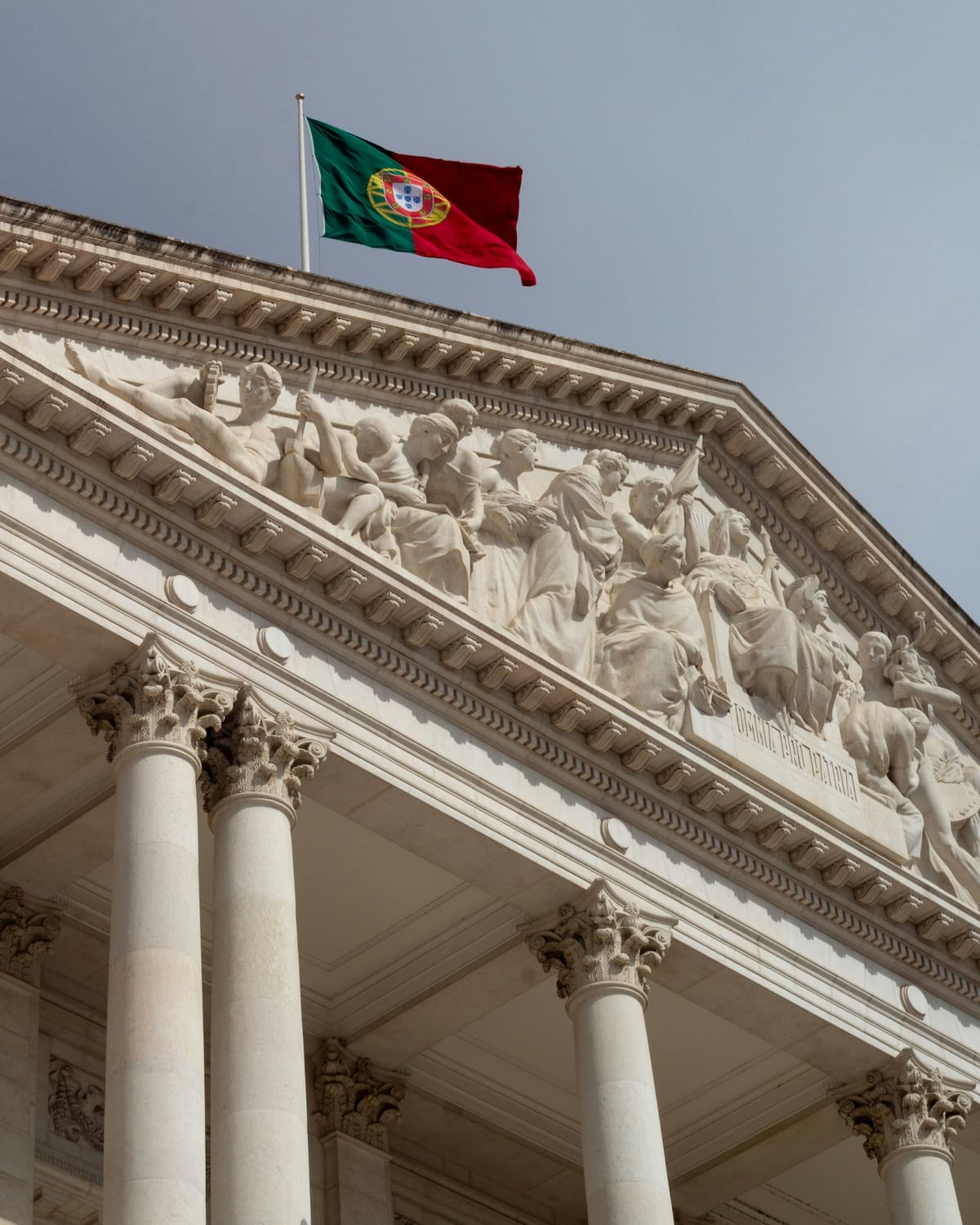
The President of the Republic Marcelo Rebelo de Sousa issued a formal condemnation note on Saturday 24 May 2026 reading the overnight Russian strike on Kyiv as a "massive attack" and reiterating Portugal's "unwavering solidarity" with Ukraine. The Belém Palace statement followed the Russian Federation's own confirmation that it had used the Orechnik-class hypersonic missile in the Friday-into-Saturday salvo — the weapons system whose deployment Moscow first acknowledged in late 2024 and whose use against Ukrainian civilian targets has been a periodic feature of the past year of escalation.
The Portuguese Position
Marcelo's note tracks the framing the Government had issued earlier the same day: a condemnation of "one more massive" Russian attack and a reiteration of "all solidarity" and unreserved support for Ukraine. The Belém Palace addition layered the presidential signature on the line: backing for the pursuit of "a just and lasting peace", with the qualifier that the negotiation framework must not reward the Russian aggression. The President's vocabulary across the past 24 months on the Ukraine file has been consistent — "flagrant and blatant violation of international law", "vehement condemnation" — and Sunday's note added "massive" as the descriptor of the weekend salvo.
The Orechnik Reading
The Orechnik missile is an intermediate-range ballistic system Russia first publicly fired against the city of Dnipro in November 2024. Russian sources describe it as carrying conventional warheads but with nuclear-capable hypersonic flight characteristics that put it inside the post-INF-treaty grey zone. NATO governments have read the Orechnik deployment as a calibrated escalation signal aimed at Western capitals — a weapon system that telegraphs strategic capability without crossing the nuclear-use threshold. Russia's confirmation that the system was used in the Friday-into-Saturday Kyiv attack reactivates that signalling dynamic; Marcelo's "massive attack" framing puts Portugal alongside the broader EU response that read the strike as a deliberate escalation of the strategic salvo pattern.
What Portugal Has Committed
Lisbon's bilateral support file for Ukraine since 2022 has run on three tracks: military aid through the EU peace facility and bilateral channels (including F-16 pilot training infrastructure at Beja, Leopard 2 components and ammunition tranches); humanitarian assistance processed through UN agencies and Caritas; and refugee accommodation inside Portugal under the temporary-protection directive, which still covers a Ukrainian population of just under 60,000 in residence at the AIMA tally. The presidential note did not announce new measures; it consolidated the political baseline on which any further Government commitment will sit.
The European Context
The Sunday-morning EU response cascade reproduced the established pattern: condemnatory notes from the major capitals, a renewed call for accelerated sanctions implementation, and a coordinated push for the next tranche of frozen-Russian-asset proceeds to flow through to Kyiv. Portugal's foreign ministry holds the rotating chair on one of the Council working groups on the file through to mid-year and is expected to feed Marcelo's "just and lasting peace" qualifier into the working-group conclusions ahead of the next Foreign Affairs Council. The text of the EU sanctions package that lands in June is the operational test of whether the Sunday political note translates into added pressure on Moscow's revenue streams.
The US Track
The Sunday news cycle also carried the US Secretary of State Marco Rubio statement that Washington remains "close to a solid agreement" with Iran on the parallel Middle East file. The two tracks — Russia-Ukraine and US-Iran — sit on different timelines but are connected through the oil-price transmission belt that runs into the Portuguese government's ISP fuel-tax discount calibrations. The diplomatic posture Lisbon takes on both files therefore has a fiscal echo.
What This Means for Expats
- Civic context: Portugal's bilateral position on Ukraine is one of the more consistent files in Lisbon foreign policy — the political baseline has not shifted since 2022 and Sunday's note is the latest reiteration rather than a new direction.
- Refugee population: the temporary-protection directive cohort sits just under 60,000 residents at the AIMA tally. Renewal cycles run on the EU timeline.
- Energy transmission: the Russia-Ukraine escalation feeds into European gas-storage and Brent benchmarks — both of which flow into Portuguese pump prices and household electricity tariffs through the Mibel mechanism.
- What to watch: the June Foreign Affairs Council and the next sanctions-package text are the operational tests of how the EU response translates into added pressure on Moscow.