Lusa Journalists Call a 24-Hour Stoppage for Wednesday 20 May as the Assembleia Opens the Estatutos Debate — Three Unions Flag Editorial Independence, the RTP-Campus Move and the January 2025 Wage File
Lusa journalists call a 24-hour stoppage for Wednesday 20 May 2026 as the Assembleia opens the new estatutos debate — three unions cite editorial independence, the RTP-campus move and an unanswered January 2025 wage file.
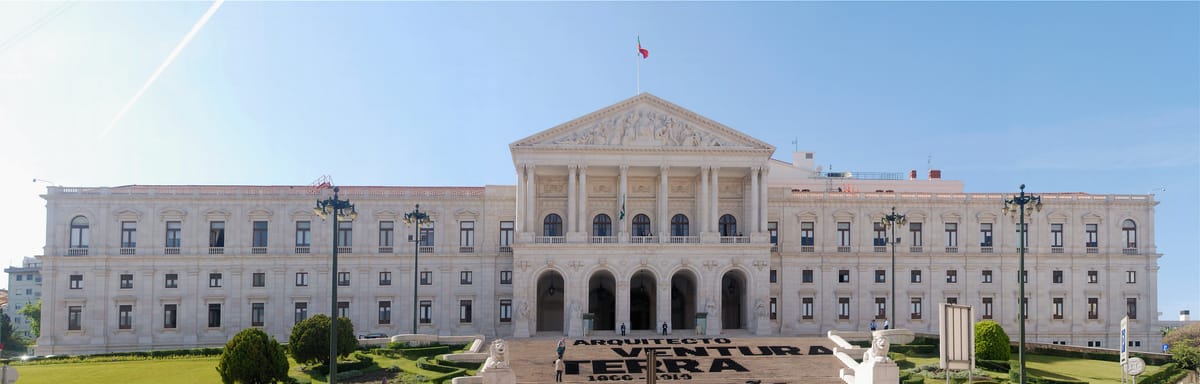
The newsroom of Agência Lusa will down tools for a full 24 hours on Wednesday 20 May 2026, running 00:00 to 24:00, on the same day the Assembleia da República opens the debate on the agency's new estatutos. The pre-aviso lands jointly from three unions — the Sindicato dos Jornalistas (SJ), SITESE for service-sector workers, and SITE-CSRA for industry, energy and environmental workers across the Centre, South and Autonomous Regions — and was approved by a large majority at a plenary on Tuesday 12 May. A demonstration is scheduled outside São Bento during the floor debate.
Lusa is the country's national news wire — 50.14% State-owned — and a weekday walkout typically strips newspapers, radio bulletins and online portals of breaking-news capacity for that cycle. Workers' representatives say this strike is not principally about pay; it is a structural fight over the proposed estatutos and the agency's future location.
The four flashpoints
- Editorial independence: Unions say the draft estatutos "aggravate the risks of political influence and governmentalisation" and contradict the Constituição's article 38 press-freedom framework.
- The RTP-campus move: A plan to relocate Lusa to the RTP campus in Lisbon — framed as a synergies play — is read by workers as a step that would "diminish functional independence".
- The January 2025 wage file: A formal wage demand submitted on 15 January 2025 has gone 16 months without a substantive management response, leaving real-terms pay eroded by the inflation cycle the DECO cabaz alimentar tracker publishes weekly.
- Headcount opacity: Unions cite unexplained staff-reduction plans and the precarious status of freelance and contractor staff carrying core wire-service workload without permanent contracts.
The flashpoint at the table
Workers also went on record on Tuesday accusing Miguel Ferreira da Silva — chief-of-staff to Secretário de Estado da Comunicação Social António Leitão Amaro — of "insulting and intimidatory behaviour" during formal meetings on the estatutos. The unions framed the episode as "a worrying signal of attempts at intrusion in the agency's editorial work" and asked the parliamentary side to fold the conduct question into Wednesday's debate. Leitão Amaro's office maintains the new estatutos modernise corporate governance without touching editorial autonomy.
What's on the parliamentary agenda
The 20 May session bundles the estatutos discussion with a wider conversation on Lusa's financing model. PS, Bloco de Esquerda, Livre and PCP are expected to press for amendments protecting the editorial language; the Government bench will argue the modernisation is corporate-governance. The vote is scheduled in generalidade only — specialty work would push any actual changes into the second half of 2026.
What this means for expats and residents
- News supply on Wednesday: Expect thinner coverage from Portuguese-language outlets across the 20 May cycle. Most major news brands lean on Lusa for breaking-news flashes; a full-day stoppage typically shows up as fewer agency-credit lines on observador.pt, publico.pt, sicnoticias.pt and rtp.pt.
- What it doesn't affect: Live televised parliamentary coverage runs through Canal Parlamento and RTP3 — both stay on air, so English-speaking residents can watch the debate from 15:00 onwards.
- Why the wire matters: Lusa is one of the few primary-source Portuguese-language outlets that national policy stories route through; a contested change in its statutes affects how the country's news economy reads government decisions.
- Independence litmus test: The estatutos vote is a public proxy for how the current Government handles institutional media-independence questions — a marker for residents tracking government-press relations in 2026.
If Wednesday's debate clears generalidade without amendment, the next pinch point will be the specialty stage in the Comissão de Cultura, Comunicação, Juventude e Desporto, where the wording on editorial autonomy will be drafted line by line. On the media-policy side of the file, our 3 June read on the Government's opening of a €3 million international concurso for daily newspaper distribution across 96 low-density municipalities — the two-lot three-year frame threading the Plano de Acção para a Comunicação Social, the Norte-Centro and Lisboa-Vale-Alentejo-Algarve split, the 125% participation premium for the deepest-rural-cluster 26 concelhos and the sales-point municipal-partnership second pillar sets the latest reference.